
You finally decide to fix that damaged tooth. You scroll through options, then pause. What will it cost? Will insurance help? Can you spread payments out? That hesitation is common, especially in a place like Brooklyn, where you want clarity before committing to care.
Many patients feel stuck at this stage. Pricing seems unclear. Insurance terms feel technical. Payment options are not always explained up front. The good news is this: once you understand how these pieces work together, the decision becomes much easier.
At Signature Smile General & Cosmetic Dentistry, patients often ask these same questions before moving forward with crowns & bridges. This guide breaks everything down in simple terms. You will learn what affects cost, how insurance typically works, and how to plan payments with confidence.
What Determines the Cost of Crowns and Bridges?
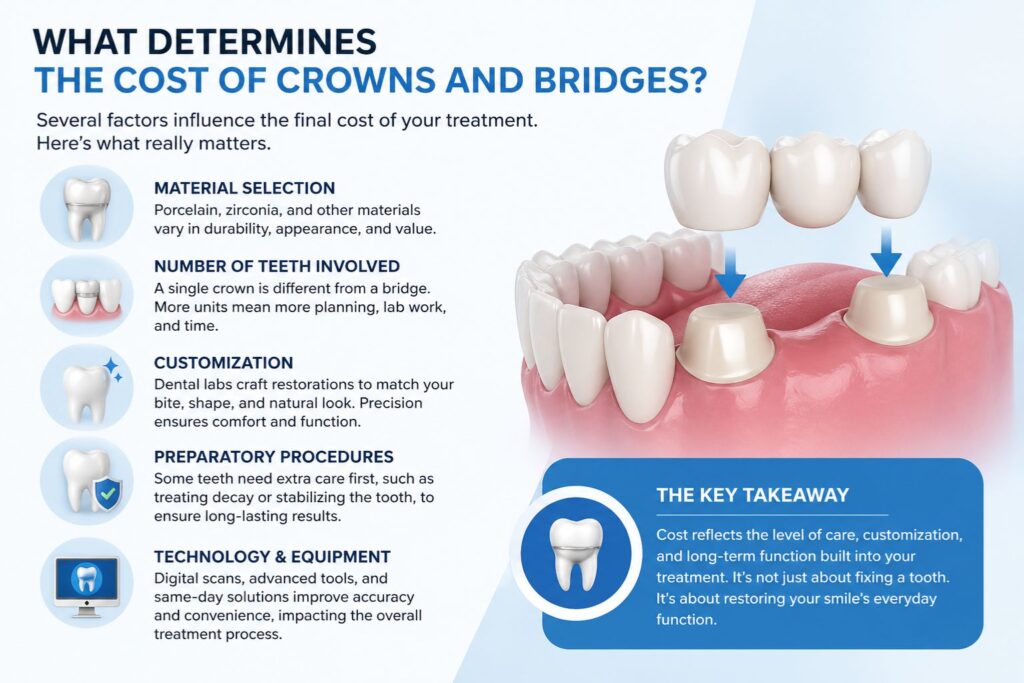
When people ask about cost, they expect a simple number. In reality, several clinical and technical factors shape the final estimate. Understanding these helps you see why one case differs from another.
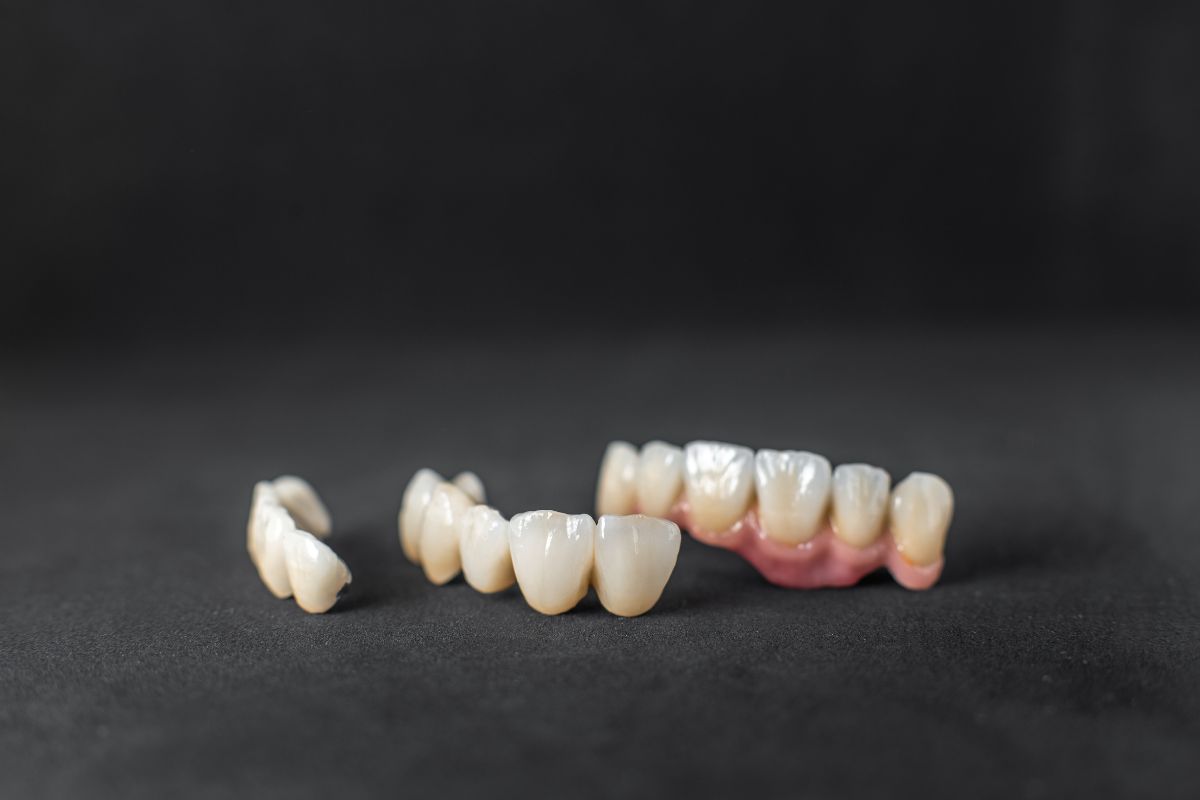
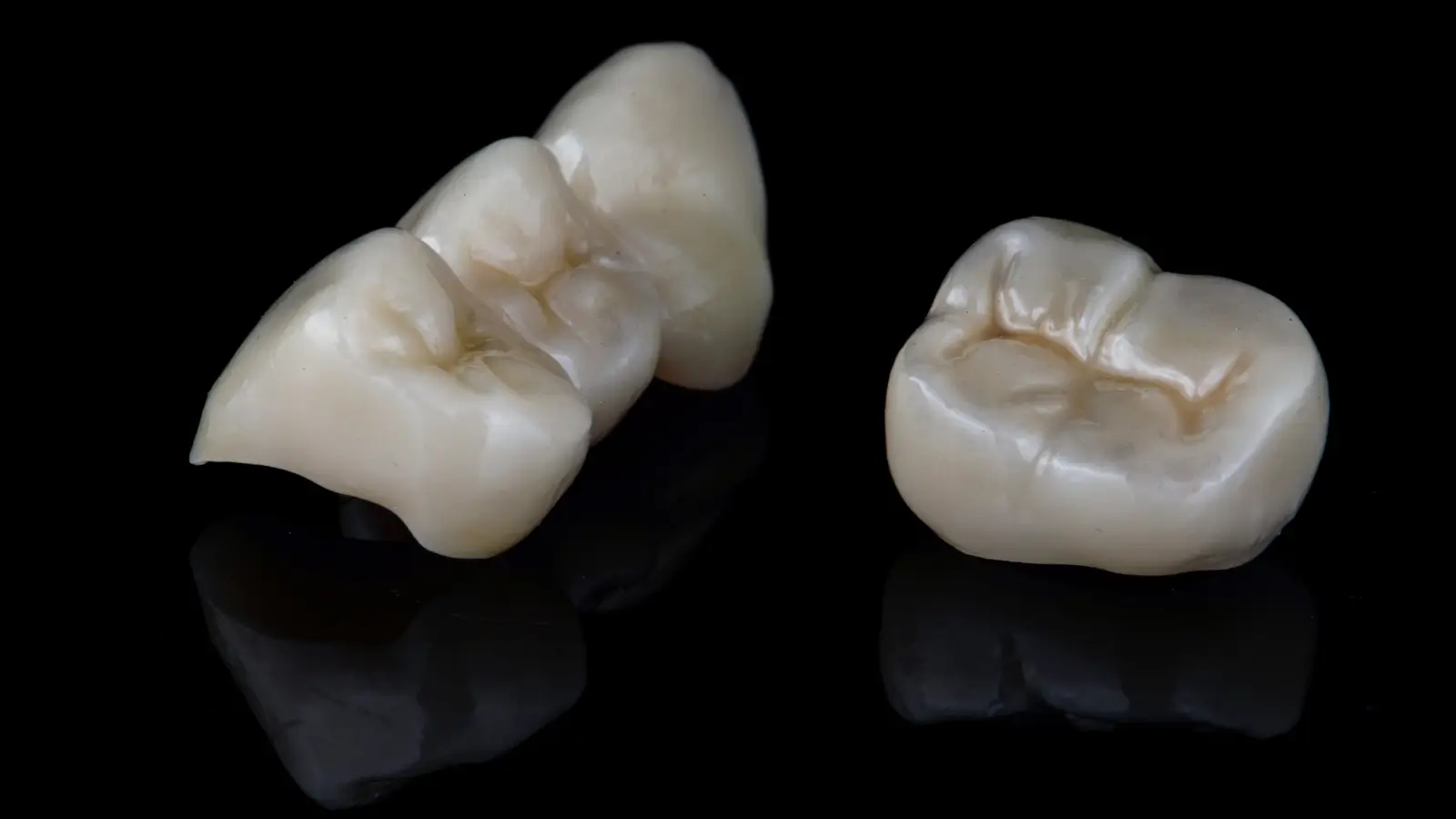
Material selection plays a major role. Porcelain and zirconia are common choices. Each material offers different levels of durability and appearance. A restoration designed for a visible front tooth may require more detailed finishing than one placed in the back.
The number of teeth involved also matters. A single crown is very different from a bridge that replaces multiple teeth. More units mean more planning, more lab work, and more time.
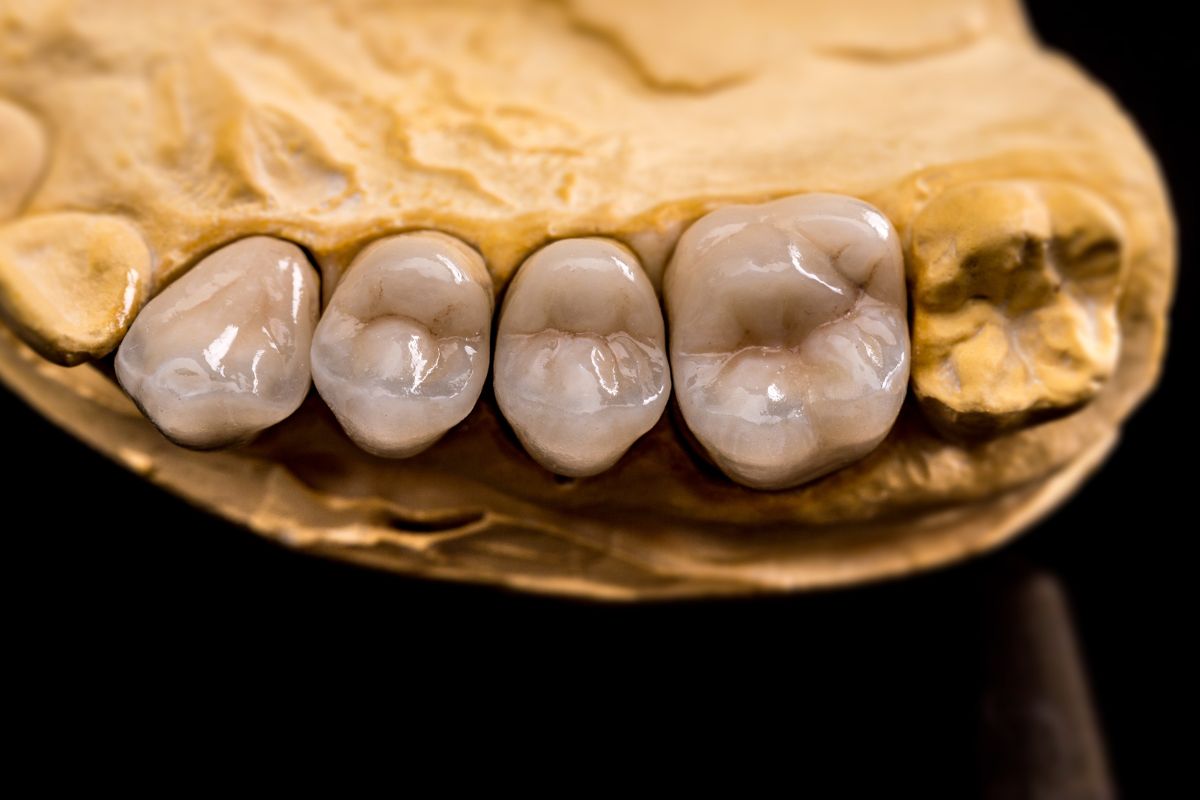
Customization is another key factor. Dental labs create restorations that match your bite and natural tooth shape. This process is not one-size-fits-all. Precision matters because even small differences can affect comfort and function.
Preparatory procedures can influence the overall plan. Some teeth need additional care before restoration. This may include treating decay, stabilizing the tooth, or addressing underlying issues. These steps ensure the final result lasts longer.
Technology used in the process also plays a role. Many modern practices in Brooklyn use digital scans instead of traditional impressions. Some offer same-day restorations using advanced equipment. These tools improve accuracy and convenience, but they also change how the process is structured.
The key takeaway is simple. Cost reflects the level of care, customization, and long-term function built into your treatment. It is not just about fixing a tooth. It is about restoring your smile’s everyday function.
Why Waiting Can Increase the Overall Expense
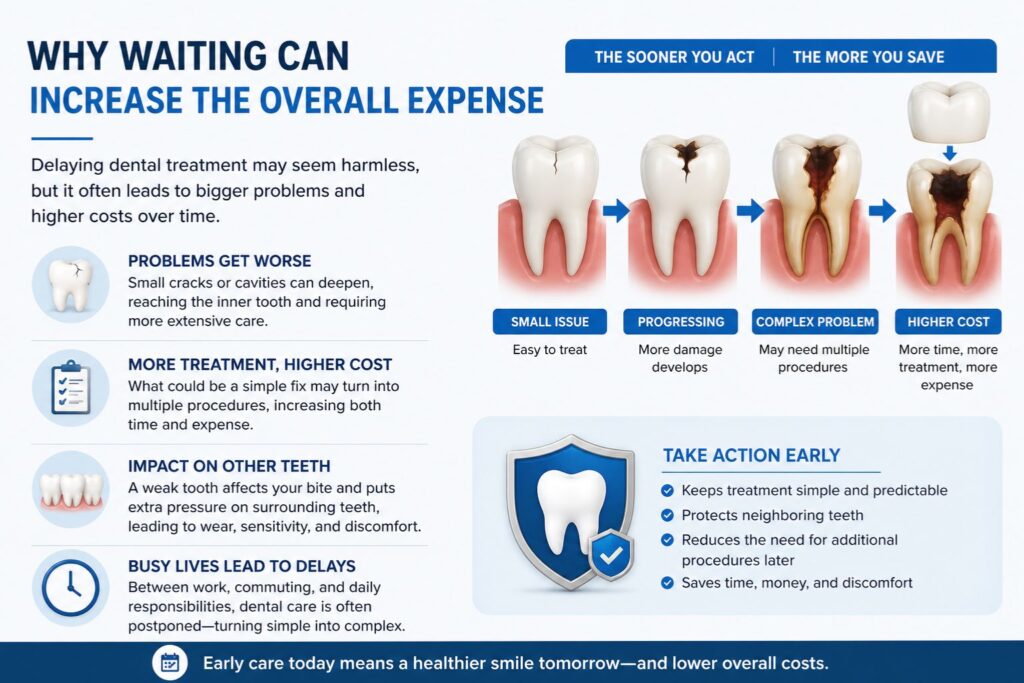
Delaying treatment often feels like a way to avoid immediate decisions. In reality, it can lead to more complex situations over time.
A small crack or cavity rarely stays the same. It can deepen and reach the inner part of the tooth. At that point, the issue is no longer minor. It may require more extensive care before a restoration can even be placed.
As damage progresses, additional procedures may become necessary. What could have been a straightforward solution may now involve multiple steps. Each added step increases the time and effort needed to restore the tooth properly.
There is also the impact on surrounding teeth. When one tooth weakens, others start to compensate. This can affect your bite. Over time, uneven pressure may lead to wear, sensitivity, or discomfort in other areas.
Patients in Brooklyn often lead busy lives. It is easy to push dental care aside between work, commuting, and daily responsibilities. But postponing treatment usually shifts the situation from simple to complex.
Taking action early keeps the process more predictable. It protects neighboring teeth. It also reduces the chance of needing additional procedures later.
How Dental Insurance Typically Covers Crowns and Bridges
Preventive vs Restorative Coverage
Most dental plans separate care into categories. Preventive services include cleanings and exams. Restorative care focuses on repairing damage. Crowns and bridges in Brooklyn fall into this second category, often labeled as major procedures.
What Most Plans Include
Insurance usually shares the cost rather than covering everything. Plans often use percentage-based coverage. This means a portion is paid by insurance, while the rest becomes your responsibility.
There is also an annual maximum. This is the total amount your plan will pay within a year. Once that limit is reached, additional treatment costs shift to the patient.
Waiting periods are another factor. Some plans require you to hold coverage for a set time before major procedures are eligible.
What Patients Often Miss
Many patients are surprised by details hidden in plain terms. Pre-authorization is sometimes required before treatment begins. Without it, coverage may be delayed or reduced.
Replacement clauses are also common. For example, a plan may only cover a new crown after a certain number of years.
Material limitations can affect decisions as well. Some plans cover basic materials, while upgrades may involve additional out-of-pocket responsibility.
Understanding these points helps you avoid confusion later. A good dental team will walk you through your benefits in plain language so you know what to expect.
Understanding Out-of-Pocket Responsibility
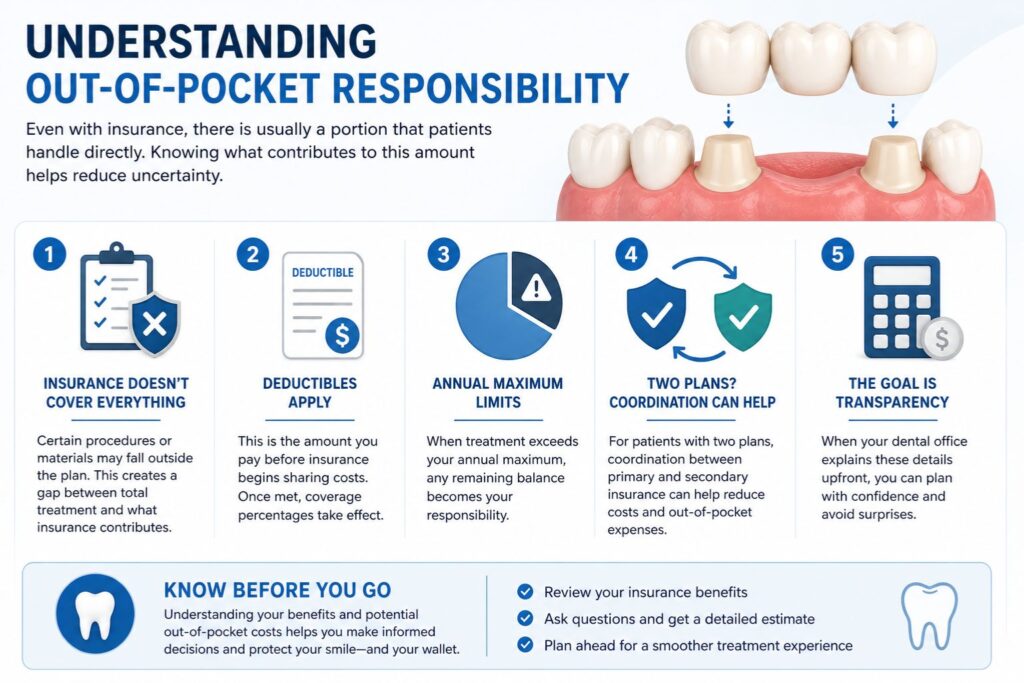
Even with insurance, there is usually a portion that patients handle directly. Knowing what contributes to this amount helps reduce uncertainty.
First, insurance does not cover everything. Certain procedures or materials may fall outside the plan. This creates a gap between total treatment and what insurance contributes.
Second, deductibles apply. This is the amount you pay before insurance begins sharing costs. Once met, coverage percentages take effect.
Coverage gaps can also appear when treatment exceeds your annual maximum. In that case, any remaining balance becomes your responsibility.
For patients with two plans, coordination between primary and secondary insurance can help reduce costs. However, it requires careful review to understand how benefits combine.
The goal is transparency. When your dental office explains these details upfront, you can plan without surprises.
Flexible Payment Options That Make Treatment Easier
In-Office Payment Plans
Many practices offer structured payment plans. These break the total into manageable monthly amounts. This approach helps patients move forward without paying everything at once.
Third-Party Financing
Healthcare financing providers are another option. They allow patients to spread payments over time. Approval processes are usually straightforward, making this a practical choice for many.
Health Savings Accounts and Flexible Spending Accounts
If you have an HSA or FSA, you can use those funds for dental care. These accounts use pre-tax dollars, which can make planning easier throughout the year.
Phased Treatment Planning
In some cases, treatment can be completed in stages. This allows patients to address immediate concerns first and plan the rest over time. Your provider will guide you on what can be safely spaced out.
Patients across Brooklyn often use a mix of these options. The goal is simple. Make treatment accessible without unnecessary stress.
How to Plan Before Starting Treatment
Preparation makes a big difference. Start by asking for a detailed treatment estimate. This outlines each step clearly.
Next, request an insurance breakdown. This shows what your plan is expected to cover and what remains.
Understanding the timeline is equally important. Some treatments require multiple visits. Knowing the sequence helps you plan around work and daily commitments.
Finally, discuss payment options early. When you know your choices upfront, you can move forward with confidence instead of hesitation.
Questions to Ask Before Getting Crowns or Bridges
Before starting treatment, take time to ask clear questions. This helps you stay informed and comfortable with your decisions.
Ask which materials are recommended and why. This helps you understand durability and appearance.
Confirm whether your insurance will contribute to the treatment. This avoids surprises later.
Request an estimate of your out-of-pocket responsibility. Knowing this upfront helps you plan financially.
Ask about available payment options. Flexible plans can make a big difference.
Finally, discuss how long the restoration is expected to last. This gives you a better sense of long-term value.
Choosing the Right Dental Office for Transparent Care
The right dental office makes the process of crowns and bridges in Brooklyn easier from start to finish. Clear communication is essential. You should feel comfortable asking questions and receiving straightforward answers.
Insurance assistance is another important factor. A knowledgeable team helps you understand the benefits without confusion.
Flexible financial options show that the practice values accessibility. This creates a more supportive experience.
Most importantly, focus on long-term outcomes. A well-planned restoration should feel natural and function reliably for years.
In neighborhoods like Brooklyn Heights, where quality and convenience matter, choosing a practice that prioritizes clarity and patient comfort makes all the difference.
Understanding how cost, insurance, and payment options work removes a major barrier to care. When you know what to expect, decisions feel easier and more practical.
Delaying treatment due to uncertainty often leads to more complex needs later. Taking time now to plan keeps your care simple and manageable.
At Signature Smile General & Cosmetic Dentistry, the focus is on clear guidance and patient comfort. If you are considering treatment, schedule a visit and get a personalized breakdown. A confident plan today helps protect your smile for the long run.
Frequently Asked Questions
How long do crowns and bridges typically last?
Crowns and bridges can last many years with proper care and regular checkups. Their lifespan depends on oral hygiene, bite habits, and the materials used during the restoration.
Can treatment be completed in one visit?
Some practices offer same-day restorations using advanced digital technology. However, more complex cases may still require multiple visits to ensure a precise fit and long-term function.
Will the restoration look natural?
Modern restorations are designed to match the shape and color of surrounding teeth. When properly crafted, they blend in seamlessly with your smile and restore natural function.
Do crowns and bridges require special care?
They should be cared for just like natural teeth with brushing, flossing, and routine visits. Avoiding excessive pressure and maintaining hygiene helps extend their longevity.
Is it possible to spread out payments over time?
Many dental offices provide structured payment plans or financing options. These allow patients to divide the total cost into manageable monthly payments.