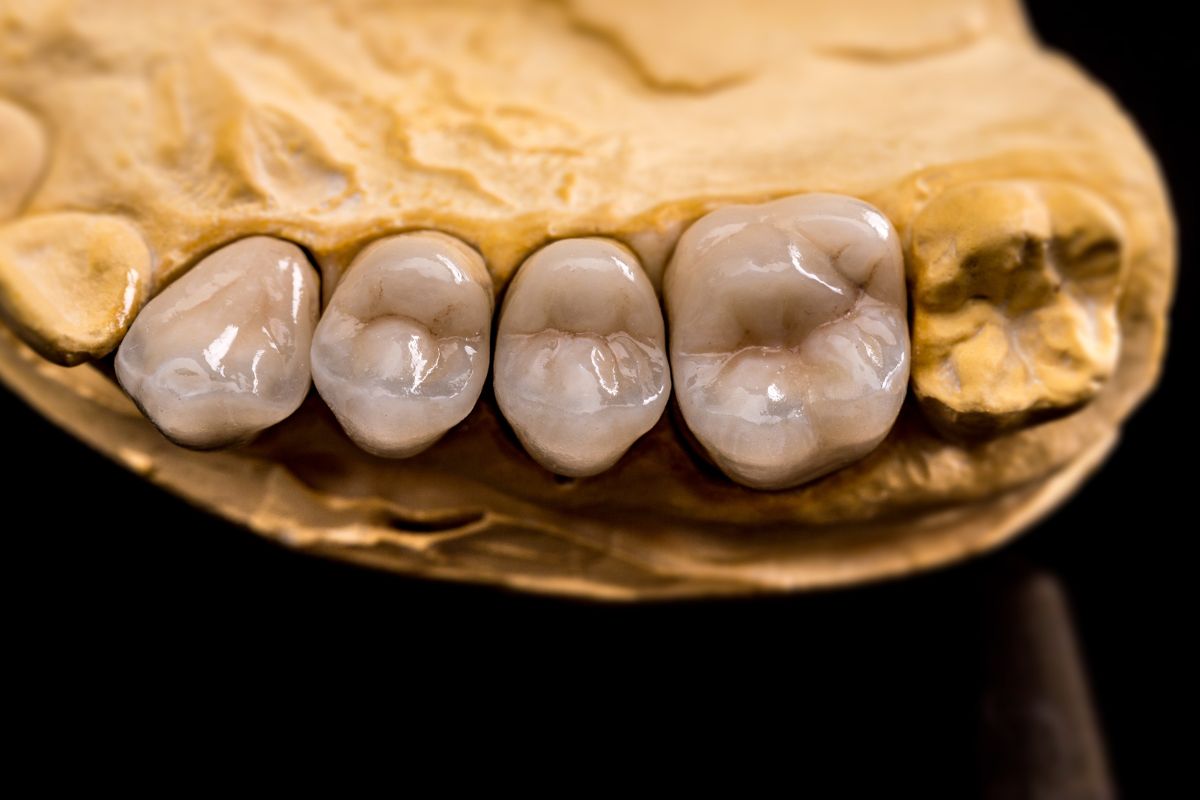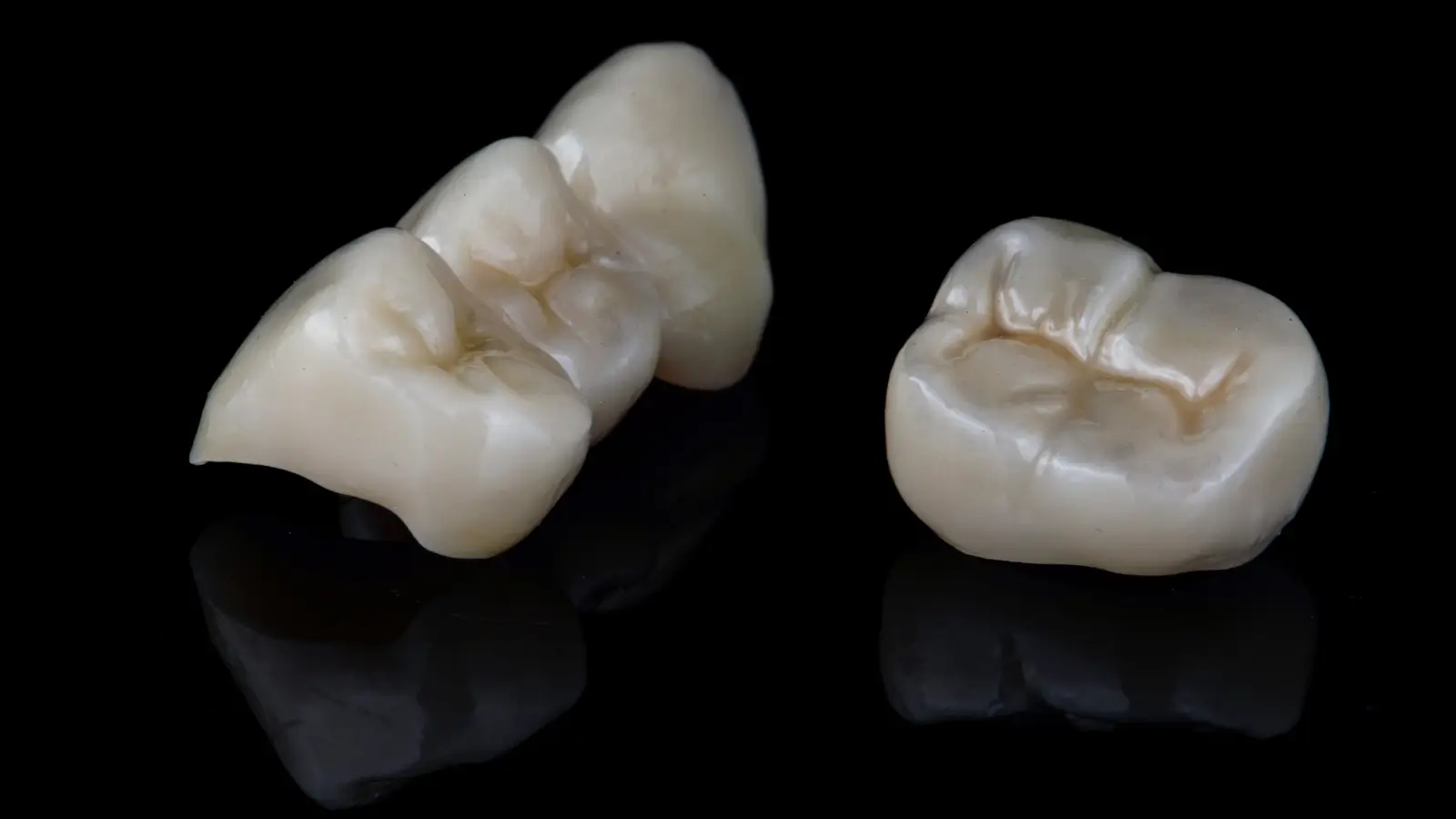

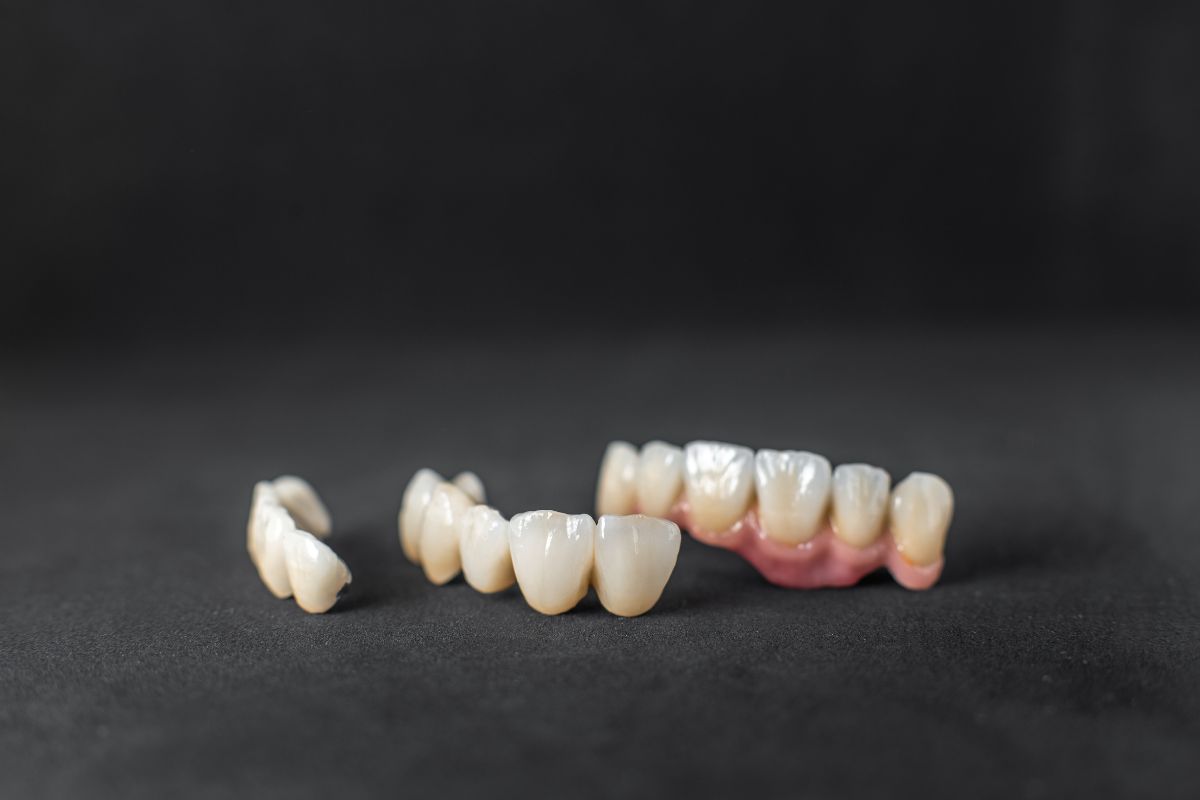
Crowns and bridges are essential solutions in restorative dentistry, helping patients restore the function and appearance of their teeth. Whether you’re dealing with a damaged tooth or replacing missing teeth, crowns and bridges offer long-lasting results that improve both your smile and oral health. But how long do these dental solutions actually last? This is a question many patients ask when considering their options for restoring their teeth.
The longevity of crowns and bridges can vary, and several factors contribute to their lifespan. Materials used, your oral hygiene routine, and lifestyle choices all play a role in how long these dental fixtures can remain effective. Understanding these factors is key to maximizing their durability, ensuring your dental investment lasts as long as possible.
What Are Crowns and Bridges?
Crowns: Restoring Damaged Teeth
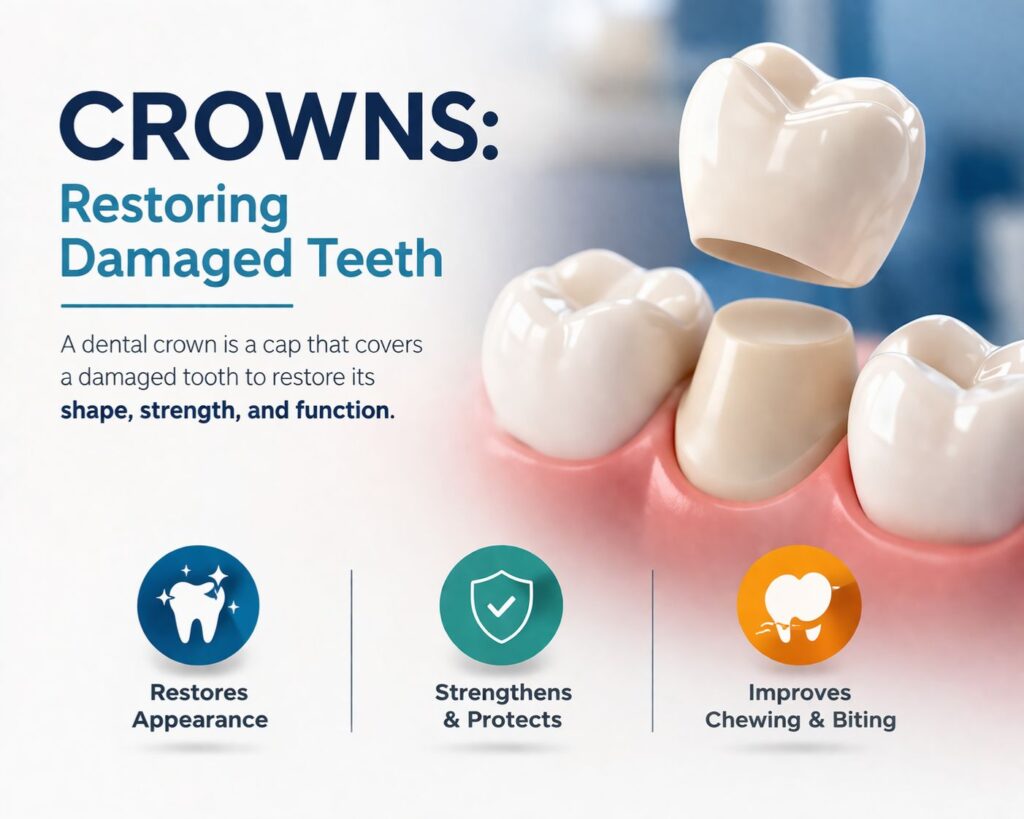
A dental crown is a cap placed over a damaged or decayed tooth to restore its shape, size, and strength. Crowns are typically made from various materials such as porcelain, metal, or a combination of both.
The purpose of a crown is not only to improve the appearance of the tooth but also to enhance its function, allowing you to chew, bite, and speak without difficulty. Crowns are often used for teeth that are cracked, weakened, or have undergone root canal treatment.
Bridges: Filling the Gaps Left by Missing Teeth
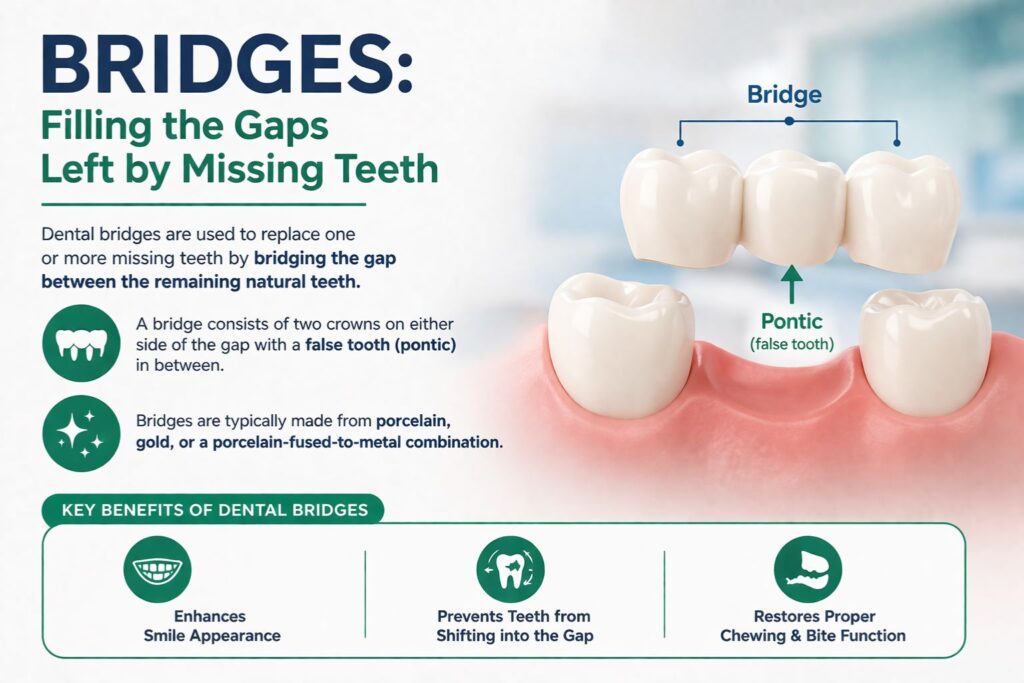
Dental bridges, on the other hand, are used to replace one or more missing teeth by bridging the gap between remaining natural teeth. A bridge consists of two crowns placed on either side of the gap, with a false tooth (or pontic) in between.
Bridges are typically made from materials such as porcelain, gold, or a porcelain-fused-to-metal combination. They not only improve the aesthetics of your smile but also help restore the functionality of your bite by preventing teeth from shifting into the gap.
Factors That Affect the Lifespan of Crowns & Bridges
Material Used
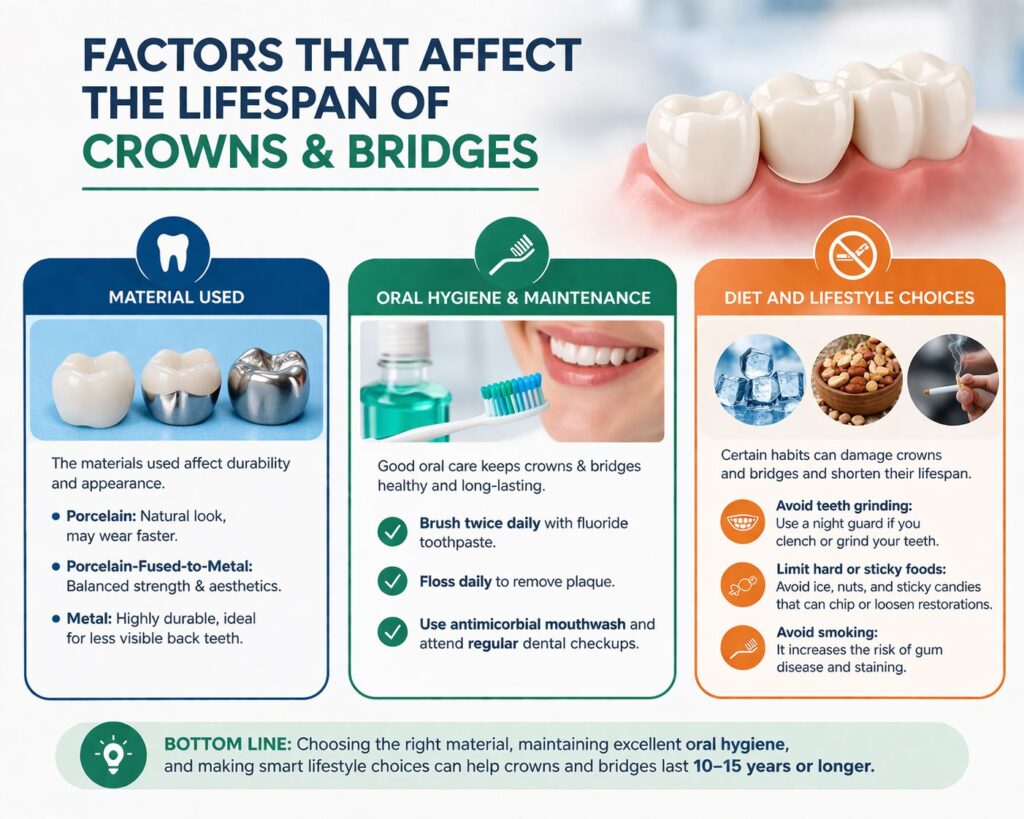
The materials used in crowns & bridges in Brooklyn significantly impact their durability. Porcelain crowns and bridges are highly aesthetic, blending seamlessly with your natural teeth, but they may wear out more quickly than metal options.
Porcelain-fused-to-metal crowns and bridges offer a balance between strength and appearance, making them a popular choice. Metal crowns, while more durable, might be used in the back of the mouth, where they are less visible. The choice of material will depend on your needs and budget, but the right material can help extend the life of your restoration.
Oral Hygiene & Maintenance
Maintaining good oral hygiene is crucial for extending the lifespan of your crowns and bridges. Brushing at least twice a day with fluoride toothpaste, flossing daily, and using an antimicrobial mouthwash can prevent plaque buildup, which may lead to gum disease and decay.
Regular dental checkups are also important for ensuring your restorations remain in good condition and that your gums stay healthy.
Diet and Lifestyle Choices
Certain habits can significantly impact the longevity of dental crowns and bridges. Teeth grinding, often caused by stress, can cause wear and tear on your restorations. Similarly, chewing hard foods like ice, nuts, or sticky candies can damage or loosen crowns and bridges. Smoking also increases the risk of gum disease and can stain the materials.
Avoiding these habits and protecting your teeth with a night guard (if necessary) can help prevent damage and extend the lifespan of your restorations.
Average Lifespan of Crowns & Bridges
Crowns
The typical lifespan of dental crowns ranges from 5 to 15 years, depending on several factors. The material used in the crown plays a significant role in its durability. Porcelain crowns, which are aesthetically pleasing and closely mimic the appearance of natural teeth, typically last between 5 to 10 years. In contrast, metal crowns are more durable and can last longer, sometimes exceeding 15 years.
Crowns may need to be replaced for various reasons, including wear and tear, decay underneath the crown, or damage to the restoration itself. Over time, the crown may become loose or cracked due to biting pressure, especially on back teeth that endure more force during chewing.
Poor oral hygiene can also contribute to the need for replacement if plaque builds up around the crown, leading to gum disease or decay of the underlying tooth. If a crown becomes loose or chipped, it can cause discomfort or leave the underlying tooth exposed, making replacement necessary.
Bridges
Dental bridges also have a lifespan of 5 to 15 years, similar to crowns. The longevity of bridges largely depends on the materials used and how well the supporting teeth are maintained. Porcelain bridges are popular due to their natural appearance, but they can wear out or become damaged over time. Bridges that rely on metal materials tend to last longer but may not be as aesthetically pleasing.
Bridges may need to be replaced if the supporting teeth experience decay or if the bridge itself becomes loose or damaged. Over time, the pressure from chewing can cause the bridge to shift or loosen, especially if the supporting teeth weaken. It’s also important to monitor the health of the gums surrounding the bridge, as gum disease can lead to the need for replacement. Regular dental checkups are essential for identifying any issues early and ensuring your bridge remains secure.
How to Extend the Lifespan of Your Crowns & Bridges
Best Practices for Care
Proper care is essential for extending the lifespan of your crowns & bridges. Be sure to brush and floss regularly, taking extra care around the edges of the crown or bridge. Avoid chewing on hard objects like ice or hard candy, which can damage the restoration. If you grind your teeth at night, consider wearing a custom night guard to protect your restorations and natural teeth.
Regular Dental Checkups
Routine dental checkups are essential for monitoring the condition of your crowns and bridges. During these visits, your dentist will check for any signs of wear, damage, or potential issues with your restorations. Early detection of problems can help prevent more extensive damage and costly repairs or replacements down the road.
When to Replace Crowns and Bridges
Signs That Indicate Replacement
While dental crowns & bridges are designed to last a long time, they eventually may need to be replaced. Look for signs such as:
- Pain or discomfort around the restoration may indicate that the underlying tooth is compromised.
- Visible damage, such as chips or cracks in the crown or bridge.
- Shifting or loosening of the bridge may be caused by the supporting teeth becoming weak or decayed.
- Changes in bite or discomfort when chewing, which could indicate that the restoration is no longer fitting properly.
Can Crowns and Bridges Be Repaired or Replaced?
Repair vs. Replacement
In some cases, dental crowns & bridges in Brooklyn can be repaired. For example, if a crown has become loose or a bridge has a minor issue, your dentist may be able to fix it without needing a complete replacement. However, if the restoration is severely damaged or the supporting teeth have deteriorated, a full replacement may be necessary.
In summary, dental crowns and bridges are reliable and durable solutions for restoring damaged or missing teeth. Their lifespan typically ranges from 5 to 15 years, depending on various factors like material, oral hygiene, and lifestyle choices.
By maintaining good care and attending regular dental checkups at Signature Smile General & Cosmetic Dentistry, you can ensure that your crowns & bridges serve you well for years to come. If you notice any signs that your restoration may need attention, don’t hesitate to contact us for a consultation.
Are you ready to take the next step in your dental care? Book an appointment with us at Signature Smile General & Cosmetic Dentistry today!
People Also Ask
How long do dental crowns last?
Dental crowns typically last between 5 to 15 years, depending on the material and care.
What affects the lifespan of crowns and bridges?
Factors include material choice, oral hygiene, lifestyle habits, and regular dental visits.
How can I make my dental crowns last longer?
Practice good oral hygiene, avoid hard foods, and wear a night guard if you grind your teeth.
Can smoking affect the lifespan of crowns and bridges?
Yes, smoking can contribute to gum disease and staining, which can shorten the lifespan of your restorations.
Do I need regular dental visits to maintain crowns and bridges?
Yes, routine dental checkups are essential to ensure your crowns and bridges stay in good condition.