
Most dental problems do not appear overnight. They start small, stay quiet, and grow slowly. By the time you feel pain, the damage is often significant. The choice is simple: catch a small cavity now or pay for a root canal later in Brooklyn. Routine checkups with Preventive Dentistry are the single most effective way to stop small issues before they become expensive ones.
Why Small Cavities Are Easy to Miss — and Costly to Ignore
A cavity in its earliest stage causes no pain. It does not interrupt your morning coffee or your commute to work. It just quietly grows inside your tooth. That is exactly what makes early detection so valuable.
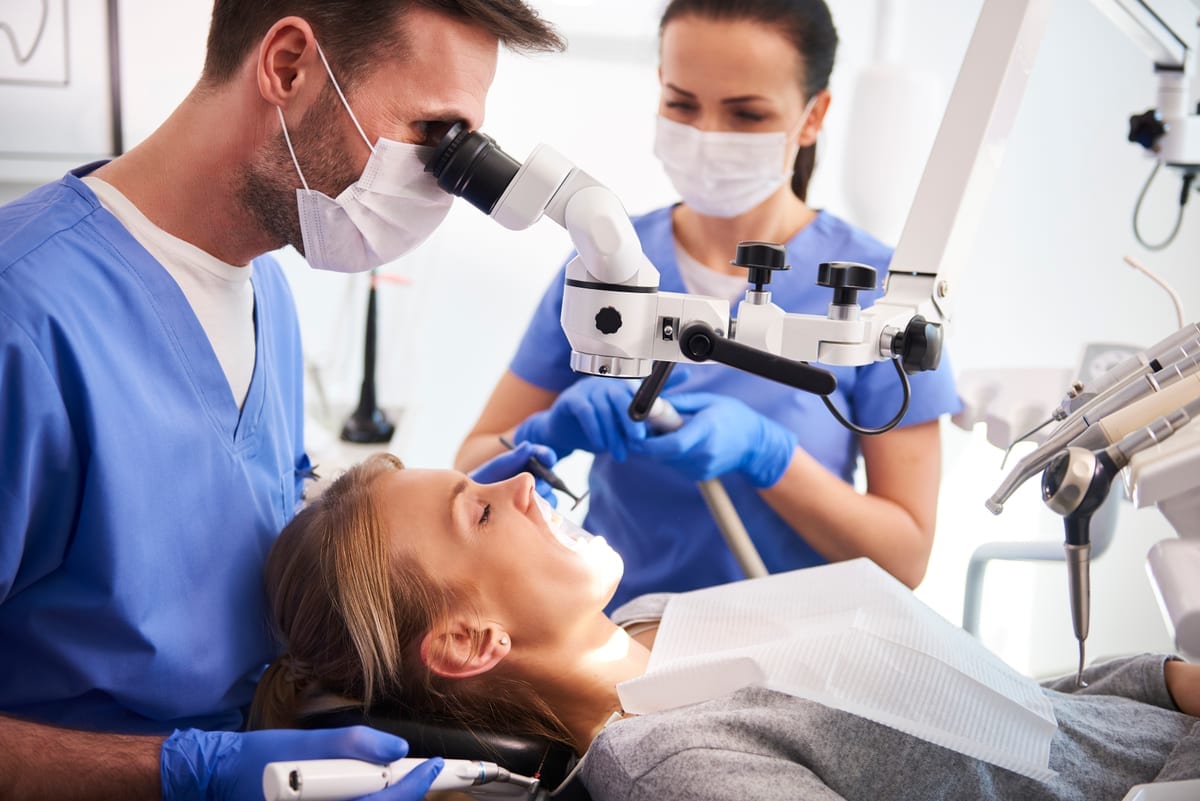
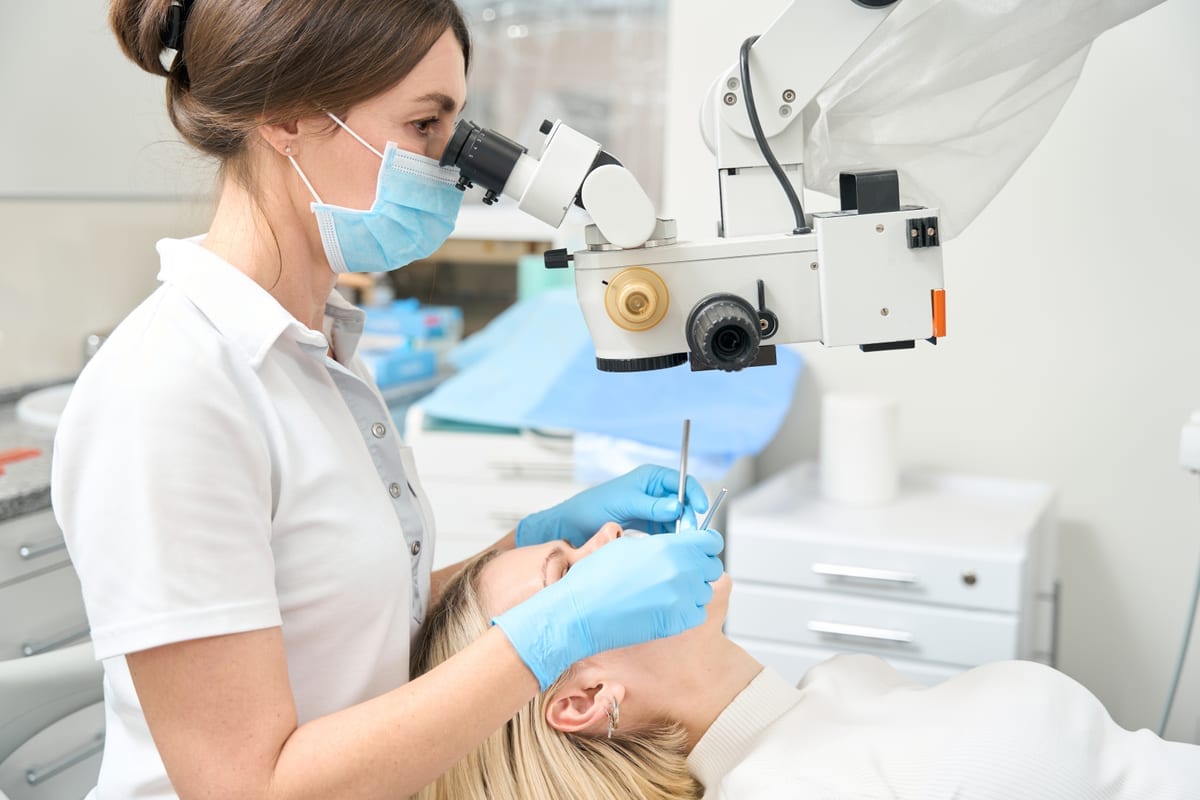
When Dr. Inna Trogan examines your teeth at a routine visit, she can spot decay that you cannot feel or see. Digital X-rays reveal problems between teeth and below the gumline. Catching decay at this stage means a simple filling — often completed in a single visit.
Skip that appointment, and the cavity keeps growing. Bacteria reach the inner pulp of the tooth. Now you need a root canal, a crown, or possibly an extraction. The cost multiplies, and so does the recovery time.
Brooklyn residents lead busy lives. A 45-minute checkup fits into any schedule. A multi-appointment root canal procedure does not.
How Much Does Waiting Actually Cost You in Brooklyn?
The financial difference between early and late treatment is significant. Consider this real-world comparison that plays out in dental offices every day.
- Small cavity (early stage): A composite filling addresses the problem quickly and affordably.
- Moderate decay: A larger filling or inlay is needed, costing more time and money.
- Deep decay reaching the pulp: Root canal treatment plus a crown becomes necessary.
- Severely damaged tooth: Extraction followed by a dental implant or bridge is required.
Each step on that list costs significantly more than the one before it. A filling is the least invasive option. A dental implant to replace a lost tooth is among the most involved. The gap in both cost and complexity is dramatic.
Routine checkups every six months are your best financial defense. Think of them as maintenance — just like an oil change prevents engine damage.
What Happens During an Early Detection Exam at Signature Smile
Many patients assume a cleaning is just about polishing teeth. It is much more than that. Every visit at Signature Smile General & Cosmetic Dentistry in Brooklyn Heights includes a thorough clinical examination.
Dr. Trogan checks every tooth surface for signs of early decay. She examines the gums for early periodontal changes. She also looks for wear patterns, cracking, and other warning signs that signal future problems.
Here is what a typical preventive visit includes:
- Professional teeth cleaning to remove plaque and tartar buildup
- Digital X-rays to detect decay hidden between teeth
- Oral cancer screening for early tissue changes
- Gum health assessment and periodontal measurements
- A personalized treatment plan if any issues are found
When decay is spotted early, treatment is fast. When it is caught late, treatment is extensive. The exam itself takes less than an hour. The information it provides protects your smile for years.
Investing in Preventive Dentistry at our Brooklyn Heights practice means staying ahead of dental problems rather than reacting to them.
Real-Life Scenarios: What Early Detection Actually Prevents
It helps to see these situations through a relatable lens. Imagine two Brooklyn neighbors — same age, same diet, similar teeth.
Neighbor one keeps twice-yearly appointments. At month six, Dr. Trogan spots a tiny cavity between two back molars. A small filling is placed. Done. No pain, minimal time, minimal cost.
Neighbor two skips appointments for two years. By the time tooth pain wakes her up at 2 a.m., the decay has reached the nerve. She now needs root canal treatment and a crown. Recovery takes longer. The cost is far higher. And it all started as the same small cavity her neighbor caught early.
This scenario is not exaggerated. It happens regularly. The difference between the two outcomes is one routine checkup.
Other common examples of early detection saving patients from major treatment include:
- Catching gum disease in its earliest stage before bone loss occurs
- Identifying a cracked tooth before it splits and requires extraction
- Spotting worn enamel before it leads to sensitivity and structural damage
- Detecting early signs of teeth grinding before jaw damage develops
Why Brooklyn Patients Choose Signature Smile for Preventive Care
Dr. Inna Trogan takes a patient-centered approach to every exam. She explains what she finds in plain language. She never recommends treatment unless it is genuinely necessary. Her goal is to keep your natural teeth healthy for as long as possible.
Signature Smile General & Cosmetic Dentistry in Brooklyn Heights offers a full range of services. From routine cleanings and fillings to dental implants, veneers, and Invisalign — everything is available under one roof. That continuity of care means Dr. Trogan knows your dental history and can track changes over time.
Brooklyn Heights patients appreciate the comfortable, welcoming environment. Dental anxiety is real, and the team works hard to make every visit feel manageable. Whether you are coming in for a cleaning or a more complex procedure, you will be treated with respect and transparency.
Starting or restarting a routine of regular checkups is one of the best decisions you can make for your long-term health. Do not wait until you feel pain to take action.
Conclusion: Small Investment Now, Big Savings Later
The math is clear. Catching decay early means a simple, affordable filling. Letting it progress means root canals, crowns, and potentially implants. The difference in cost, time, and discomfort is enormous. Routine preventive checkups are not an expense — they are a smart investment in your health and your wallet. Dr. Inna Trogan and the team at Signature Smile in Brooklyn are ready to help you stay ahead of dental problems before they become serious. Book Now to schedule your appointment with our team.
Frequently Asked Questions
How often should I visit the dentist to catch problems early?
Most patients benefit from checkups every six months. Dr. Trogan may recommend more frequent visits if you have active gum disease or a history of frequent cavities. Consistent visits are the most effective way to catch decay before it progresses.
Can a cavity really turn into a root canal if I wait too long?
Yes, absolutely. Untreated decay spreads deeper into the tooth over time. Once bacteria reach the pulp — the inner nerve tissue — a root canal becomes necessary to save the tooth. Early treatment with a simple filling can prevent this entirely.
Does a small cavity always cause pain?
Not in its early stages. Most early cavities cause no symptoms at all. Pain typically appears once decay has reached deeper layers of the tooth. That is why professional exams matter — Dr. Trogan can detect decay long before you ever feel discomfort.
What is the difference between a filling and a root canal?
A filling removes decayed tooth material and fills the space with a tooth-colored composite resin. It is quick and minimally invasive. A root canal removes infected pulp tissue from inside the tooth and requires more appointments and follow-up treatment, typically including a crown.
Is preventive dentistry just teeth cleaning, or is it more?
Preventive dentistry includes professional cleanings, but it also covers digital X-rays, oral cancer screenings, gum health assessments, and personalized care planning. Together, these steps give Dr. Trogan a complete picture of your oral health so problems can be caught and treated early.