

Do you have these 5 signs you need a root canal now in Brooklyn? Many patients ignore early warning signs. They assume tooth pain will simply go away on its own. Unfortunately, waiting almost always makes things worse — and more painful.
At Signature Smile General & Cosmetic Dentistry – Crown Heights, Dr. Chloe Andrews sees patients every week who delayed care too long. Recognizing the signs early is the single best thing you can do for your dental health. This article walks you through exactly what to watch for.
Why Root Canals Exist — And Why They Get a Bad Reputation
Root canal treatment has an unfair reputation as something terrifying. In reality, the procedure relieves the pain caused by an infected tooth pulp. The pulp is the soft tissue inside your tooth containing nerves and blood vessels.
When bacteria reach the pulp, an infection develops. That infection does not heal on its own. It spreads. Left untreated, it can move into the jawbone and surrounding teeth.
Modern root canal treatment at our Crown Heights practice is straightforward. Most patients report feeling much better immediately after the procedure. The real problem is waiting too long to get one.
Do You Have These 5 Signs You Need a Root Canal Now in Brooklyn?
Identifying these symptoms early is critical. If you recognize one or more of the following, contact Dr. Andrews right away. Do not wait for the pain to become unbearable.
- Severe, persistent tooth pain: This is the most common warning sign. The pain may throb constantly or intensify when you bite down. Over-the-counter pain relief stops working. That is your body telling you the infection is progressing.
- Prolonged sensitivity to heat or cold: Some tooth sensitivity is normal. But if the sensitivity lingers for more than 30 seconds after the stimulus is removed, that is a red flag. It suggests the nerve inside your tooth is damaged or infected.
- Darkening or discoloration of the tooth: A tooth that turns gray, brown, or dark yellow may have dying pulp tissue. Discoloration happens because blood supply to the tooth is being cut off. This is a visible sign that internal damage is occurring.
- Swelling or tenderness in the gums: Swollen gums near a painful tooth often indicate an abscess. An abscess is a pocket of infection that develops at the root tip. Gum tenderness, small pimple-like bumps, or visible swelling all point to a serious problem.
- A cracked or chipped tooth with pain: Cracks expose the inner layers of your tooth to bacteria. If a cracked tooth becomes painful, the pulp may already be infected. A crack alone is not always an emergency — but a crack paired with pain usually is.
These five signs do not always appear together. Even one of them warrants a prompt dental evaluation. Early diagnosis dramatically improves your outcome and reduces treatment complexity.
What Happens When You Wait Too Long
Delaying treatment is one of the most common — and costly — mistakes patients make. An untreated infection does not stay contained. It spreads to neighboring teeth, the jawbone, and even soft tissue in your face and neck.
Dental abscesses can become life-threatening when left untreated. The bacteria from an oral infection can enter the bloodstream. This creates systemic health risks well beyond your mouth.
From a purely practical standpoint, waiting also makes treatment harder. A tooth that could have been saved with a root canal may require extraction instead. Replacing a missing tooth is far more involved and more expensive than treating the infection early.
If you experience sudden swelling, difficulty swallowing, or a high fever alongside tooth pain, seek Emergency Dentistry Brooklyn care immediately. These symptoms indicate a rapidly spreading infection that needs urgent attention.
What to Expect During Root Canal Treatment at Our Crown Heights Practice
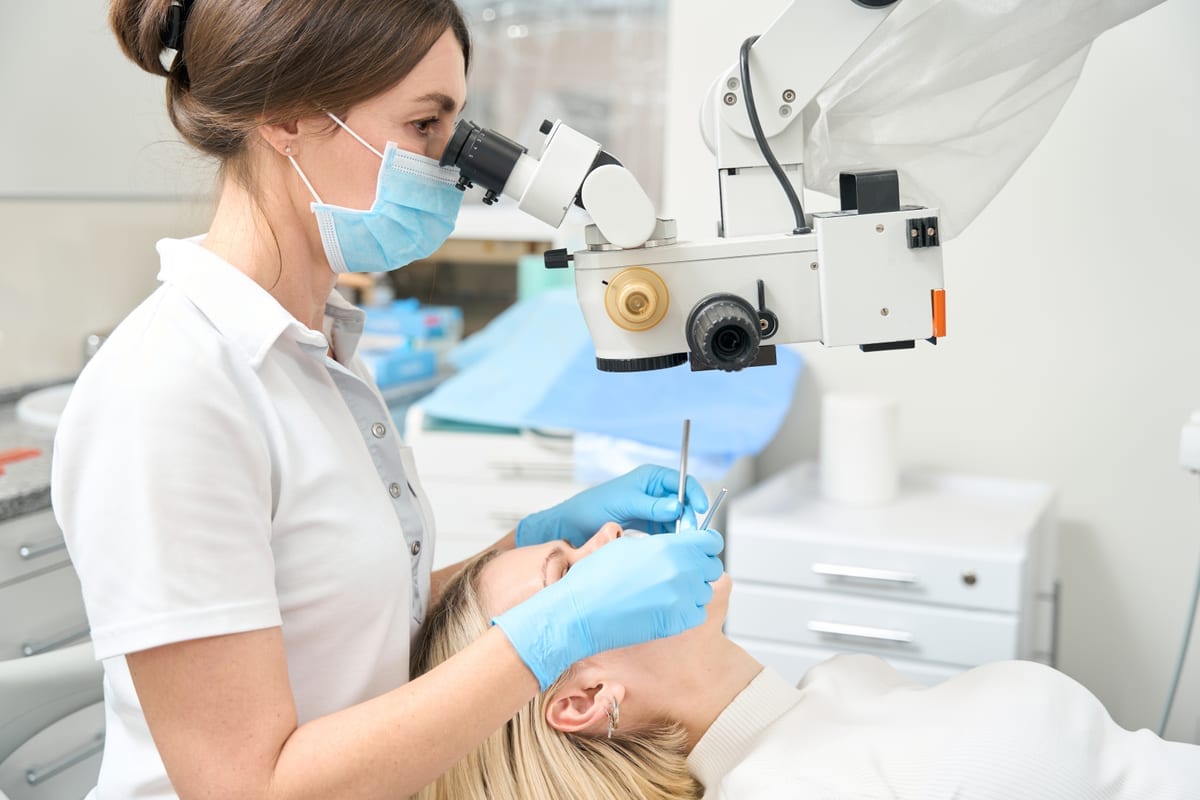
Many patients are surprised by how manageable modern root canal treatment is. Dr. Chloe Andrews uses current techniques and local anesthesia to keep you comfortable throughout. Here is a simple breakdown of the process:
- Examination and X-rays: Dr. Andrews will take digital X-rays to assess the extent of the infection. This helps map the root structure and plan treatment precisely.
- Local anesthesia: The area around the tooth is fully numbed. You should feel no pain during the procedure — only mild pressure at most.
- Removing infected pulp: A small opening is made in the crown of the tooth. The infected pulp tissue is carefully removed from each root canal.
- Cleaning and shaping: Each canal is cleaned, disinfected, and shaped to prepare it for filling.
- Sealing and restoration: The canals are filled with a biocompatible material. A dental crown is usually placed afterward to restore strength and function.
Recovery is typically mild. Most patients return to normal activities the following day. Soreness around the treated area fades within a few days.
How Root Canal Treatment Connects to Your Overall Smile Health
Root canal treatment is part of a broader commitment to long-term oral health. Saving your natural tooth preserves your bite, your jaw structure, and your confidence. A missing tooth creates a cascade of problems — shifting teeth, bone loss, and changes to your facial structure.
Patients who address infections promptly often go on to explore restorative and cosmetic options afterward. Once your tooth is healthy and restored with a crown, your smile looks and functions beautifully again. If you are also interested in improving the appearance of your smile, explore Cosmetic Dentistry Brooklyn options available at our practice.
Preventive care plays a major role in avoiding future root canals. Regular cleanings, checkups, and prompt treatment of cavities stop decay before it reaches the pulp. Dr. Andrews and the team at Signature Smile are here to support your dental health at every stage.
Do Not Wait — Early Action Protects Your Tooth and Your Health
If you recognize any of the five signs described above, schedule an evaluation as soon as possible. Tooth pain does not resolve on its own when an infection is involved. Acting quickly gives Dr. Andrews the best chance to save your tooth and stop the infection.
Brooklyn patients trust Signature Smile General & Cosmetic Dentistry – Crown Heights for honest, effective, and compassionate dental care. Whether you need an urgent evaluation or want to understand your treatment options, our team is ready to help. Book Now to schedule your appointment with our team.
Frequently Asked Questions
How do I know if I need a root canal or just a filling?
A filling treats surface-level decay that has not reached the tooth pulp. A root canal is needed when decay or damage reaches the inner nerve and pulp tissue. Signs like persistent pain, prolonged sensitivity, and gum swelling suggest the pulp is involved. Dr. Andrews can confirm this with an examination and X-rays.
Is a root canal painful?
Most patients are surprised to find that root canal treatment is not as painful as they expected. Local anesthesia numbs the area completely before any work begins. The procedure itself relieves the infection causing your pain. Post-treatment soreness is mild and typically resolves within a few days.
What happens if I ignore root canal symptoms?
Ignoring the symptoms allows the infection to spread beyond the tooth. It can reach the jawbone, neighboring teeth, and even surrounding soft tissue. In serious cases, the infection enters the bloodstream and creates systemic health risks. A tooth that could have been saved may also require extraction if treatment is delayed too long.
How long does a root canal procedure take?
Most root canal treatments are completed in one or two appointments. A straightforward case typically takes 60 to 90 minutes per session. More complex cases involving multiple canals may require a follow-up visit. Dr. Andrews will give you a clear treatment timeline during your initial evaluation.
Will I need a crown after a root canal?
In most cases, yes. A dental crown is placed over the treated tooth to restore its strength and protect it from fracture. The crown also improves the appearance of the tooth. Dr. Andrews will discuss crown options with you and match the restoration to your natural smile.