
It often starts with something small. A favorite slice from a local Brooklyn pizzeria becomes harder to chew. Smiling in photos near the Brooklyn Heights Promenade feels different. Even speaking clearly can take extra effort when a tooth is missing. These everyday moments add up, and many people begin wondering what their options are.
At the same time, there is real confusion around who qualifies for dental implant restorations. Some assume they are not eligible due to age, bone loss, or health concerns. Others delay care simply because they are unsure where to begin. Dental implant restorations are designed to replace missing teeth with a stable, long-term solution that looks and feels natural.
This blog breaks down who may qualify, who might need preparation, and what the process involves so you can move forward with clarity.
What Are Dental Implant Restorations and How Do They Work?
Dental implant restorations replace missing teeth by recreating the full structure of a natural tooth. Instead of sitting on top of the gums like traditional options, they anchor securely within the jaw, which makes them feel stable and natural during everyday use.
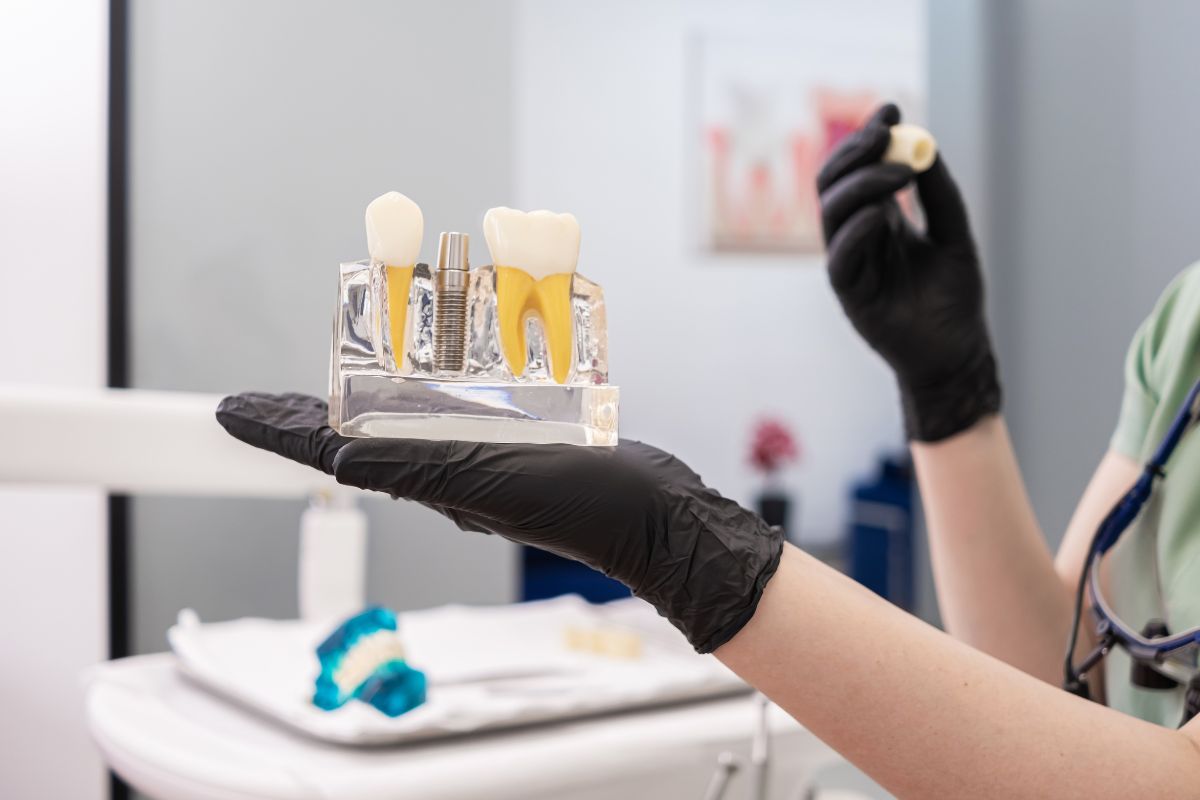
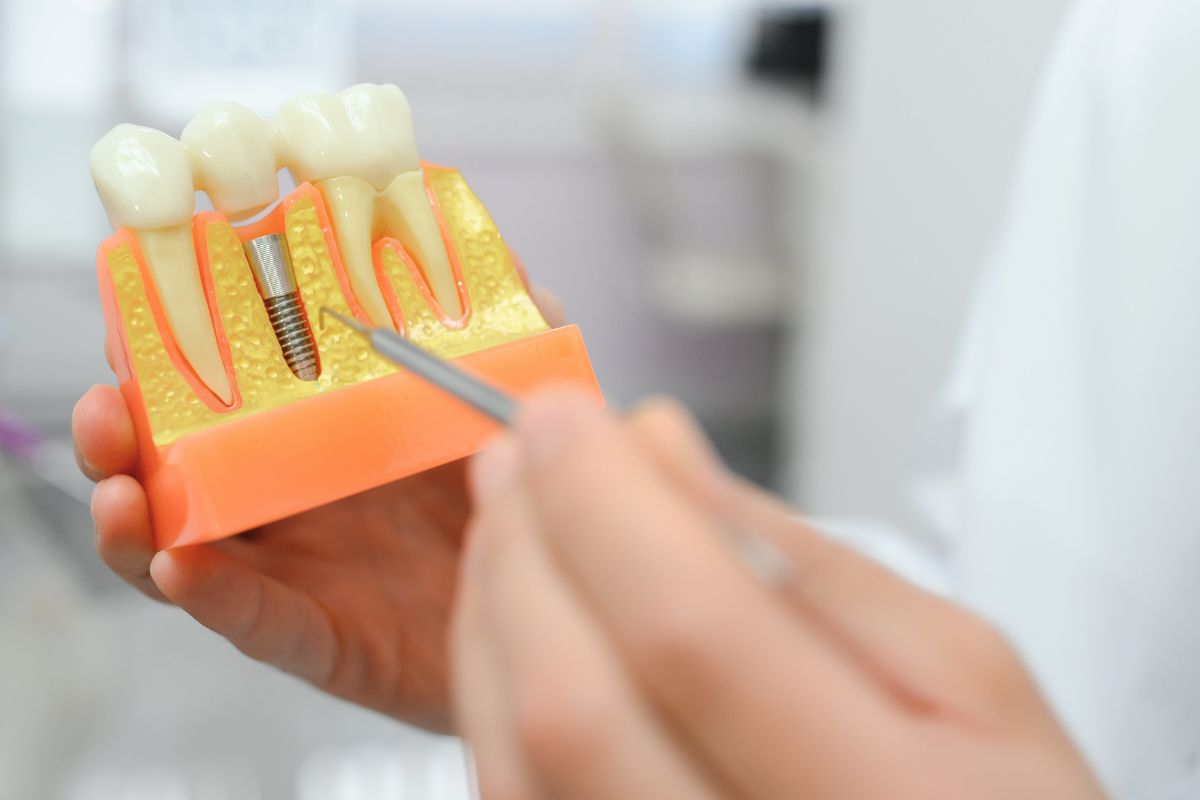
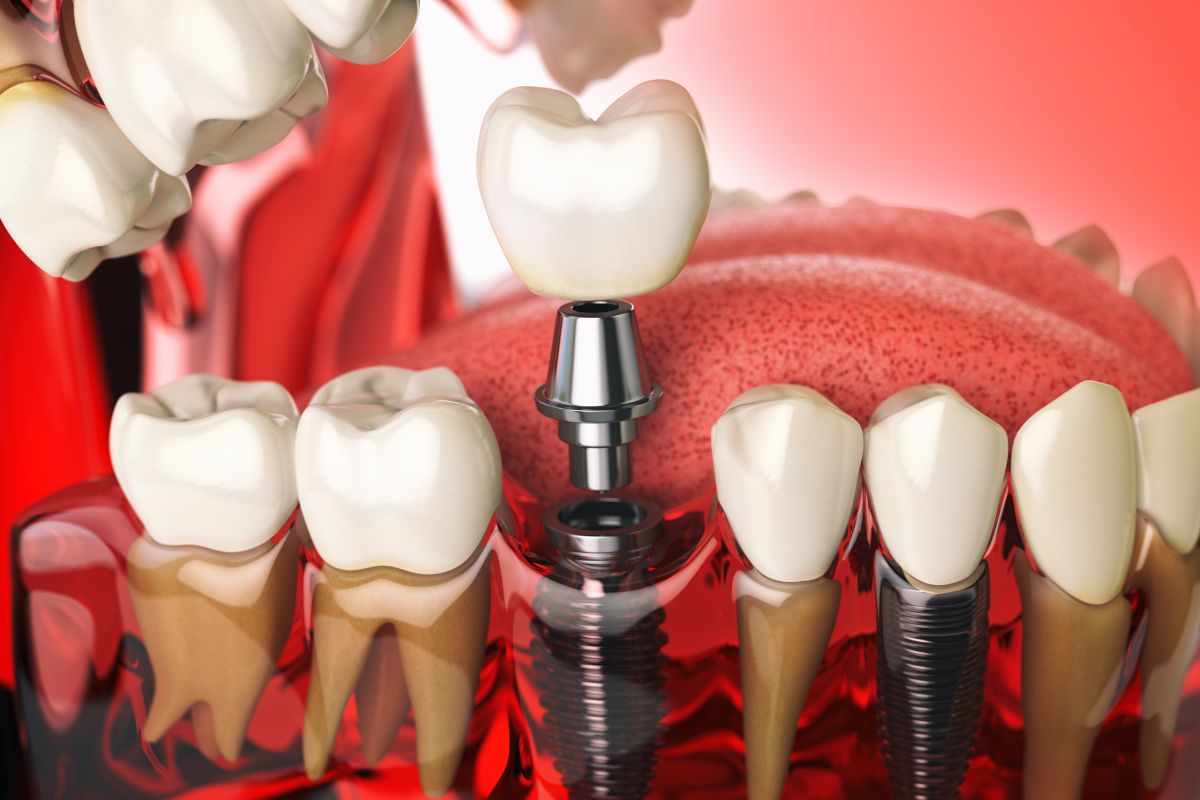
The process of dental implant restorations in Brooklyn begins with a small titanium post that is placed into the jawbone. This post acts as a replacement root. Over time, the bone bonds with the post, creating a strong foundation. Once healing occurs, a connector called an abutment is attached. This piece supports the final restoration, which can be a crown, bridge, or even a full denture, depending on how many teeth are being replaced.
This layered structure is what makes implants stand out. The post provides stability. The abutment connects the parts. The visible restoration restores appearance and function. Together, they mimic how a natural tooth works.
Compared to removable options, implants do not shift or slip when eating or speaking. This stability makes daily routines easier, whether enjoying a meal in DUMBO or speaking confidently during work meetings in Downtown Brooklyn.
Another important advantage is how implants interact with the jawbone. When a tooth is lost, the bone beneath it can gradually weaken. Implants help maintain that bone by providing stimulation, which supports long-term oral health.
For many patients, the biggest benefit is how natural everything feels. Chewing becomes more predictable. Speech sounds clearer. Smiles look complete again. While the process takes time, the result is a restoration that functions much like a real tooth and supports everyday comfort.
Why Do Some People Qualify Easily While Others Don’t?
Not everyone starts at the same point when considering implants. Some individuals qualify right away, while others may need a bit of preparation first. The difference comes down to more than just having a missing tooth.
The condition of the gums plays a major role. Healthy gums provide a stable environment for healing. If gum disease is present, it can affect how well the implant integrates with the bone. That is why evaluation often focuses on gum health early in the process.
Bone structure is another key factor. Since the implant is placed into the jaw, there needs to be enough bone to support it. Some patients maintain strong bone even after tooth loss, while others may experience gradual thinning over time.
Overall health also matters. The body’s ability to heal affects how successful the implant process will be. Conditions that impact healing need to be carefully reviewed before moving forward.
Lifestyle habits can influence candidacy as well. Smoking, for example, may slow healing. This does not automatically rule out treatment, but it may require additional planning.
In a busy area like Brooklyn Heights, many patients delay treatment due to schedules, long commutes, or uncertainty. Over time, that delay can change the condition of the bone and gums. This is why early evaluation helps. It provides a clear understanding of where things stand and what steps may be needed next.
What Makes Someone a Good Candidate for Dental Implant Restorations?
Healthy Gums Matter More Than You Think
Gum health is one of the first things evaluated. Healthy gums support the implant and help protect it over time. If there is active gum disease, it needs to be treated first. This step creates a stable environment where healing can happen properly.
Sufficient Jawbone Density
The jawbone acts as the foundation. When it is strong, it can hold the implant securely. If the bone is weak or thin, it may not provide enough support right away. In those cases, additional procedures can help rebuild that structure before placement.
Overall Health and Healing Ability
Healing plays a major role in success. Conditions such as uncontrolled diabetes can affect recovery, so they need to be managed carefully. Smoking can also slow the healing process. These factors are considered during planning to improve outcomes.
Commitment to Oral Care
Long-term success depends on daily care. Implants require consistent brushing, flossing, and routine checkups. Patients who stay committed to maintenance tend to see the best results over time.
A good candidate is not defined by a single factor. It is a combination of gum health, bone strength, overall wellness, and commitment to care. Many patients meet these criteria or can reach them with the right preparation.
Who May Need Additional Preparation Before Getting Implants?
Patients with Bone Loss
Bone loss can occur after a tooth has been missing for a while. In these cases, a bone graft may be recommended. This procedure rebuilds the area so it can support an implant securely.
Individuals with Gum Disease
If gum disease is present, it must be treated before moving forward. This step protects both the implant and the surrounding teeth.
Long-Term Tooth Loss Cases
The longer a tooth is missing, the more changes occur in the jaw. Early evaluation helps address these changes before they progress further.
Preparation does not mean implants are not possible. It simply means the process may involve additional steps to create the right foundation.
Are There Situations Where Implants May Not Be Recommended?
Certain situations require careful consideration. Severe health conditions that affect healing may delay or limit treatment. Poor healing response can impact how well the implant integrates.
Heavy smoking may increase the risk of complications, so adjustments may be needed before proceeding. Younger patients whose jaws are still developing may also need to wait until growth is complete.
These situations are evaluated individually. The goal is always to choose the safest and most predictable approach.
How Do Dental Professionals Evaluate Your Eligibility?
The evaluation process is detailed but straightforward. It usually begins with a clinical exam to assess the gums and overall oral health. Imaging, such as X-rays or 3D scans, helps visualize the bone structure and identify any underlying concerns.
A review of medical history follows. This step ensures that any health conditions are considered during planning. From there, a personalized treatment plan is created based on the findings.
At Signature Smile General & Cosmetic Dentistry, the focus is on tailoring each plan to the patient’s needs rather than using a one-size approach.
What Are the Benefits If You’re a Good Candidate?
Patients who qualify often experience noticeable improvements in daily life. Chewing becomes easier and more predictable. Meals feel enjoyable again rather than limiting.
The appearance of the smile also improves. Restorations are designed to blend naturally with surrounding teeth. Another important benefit is bone preservation. Implants help maintain the structure of the jaw over time.
Stability is what ties everything together. Unlike removable options, implants stay in place and support long-term function.
What If You’re Not an Ideal Candidate Right Now?
Not being ready today does not mean the option is off the table. Many patients become eligible after addressing specific concerns.
Bone grafting can rebuild lost structure. Gum treatments can restore periodontal health. Lifestyle adjustments can improve healing ability. These steps create a stronger foundation for future placement.
This stage is about preparation, not limitation. With the right plan, many patients move forward successfully.
How Long Does the Implant Process Take?
The process of dental implant restorations in Brooklyn typically happens in phases. After the implant is placed, time is needed for the bone to bond with it. This healing phase can take several months.
Once healing is complete, the final restoration is attached. While the timeline may feel longer than other options, it allows for a more stable and lasting result.
Each case varies depending on individual needs and whether additional procedures are required.
Common Myths About Implant Eligibility
Myth: Only older adults qualify
Eligibility depends on health and bone condition, not age alone.
Myth: Bone loss means implants are not possible
Bone grafting can often rebuild the area.
Myth: Health conditions automatically disqualify you
Many conditions can be managed with proper planning.
Understanding these myths helps patients make informed decisions without unnecessary hesitation.
When Should You Consider an Evaluation?
It may be time to consider an evaluation if one or more teeth are missing. Difficulty chewing or speaking clearly is another sign. Patients who struggle with loose dentures often explore more stable options.
Bone loss concerns also make early evaluation important. The sooner changes are addressed, the more options remain available.
Candidacy for implants is broader than many people expect. It is not limited to a specific age or situation. Instead, it depends on a combination of factors that can often be improved with the right approach.
Taking the first step does not commit you to treatment. It simply provides clarity. For patients in Brooklyn Heights and nearby neighborhoods, scheduling an evaluation at Signature Smile General & Cosmetic Dentistry can help you understand your options and move forward with confidence.
What People Want to Know
How long do dental implants typically last?
Dental implants can last many years with proper care and regular checkups. Their longevity depends on oral hygiene, overall health, and how well the surrounding bone and gums are maintained.
How long does it take to heal after getting implants?
Healing time varies but often takes a few months as the implant integrates with the jawbone. This phase is essential for creating a strong and stable foundation.
Can dental implants fail after placement?
Implants have a high success rate, but failure can occur in rare cases. Factors such as poor oral hygiene, smoking, or underlying health conditions may affect long-term outcomes.
Are dental implants safe for older adults?
Age alone does not determine eligibility for implants. Many older adults qualify as long as their overall health and bone condition support proper healing.
Do dental implants require special care?
Implants do not require complicated routines but do need consistent oral hygiene. Regular brushing, flossing, and dental visits help maintain their condition over time.