If you’ve been searching for a way to transform your smile, veneers have probably come up. But what do they actually do? And just as importantly, what can’t they do? Getting veneers explained clearly — what they actually fix and what they don’t in Brooklyn — helps you make a truly informed decision. At Signature Smile General & Cosmetic Dentistry in Crown Heights, Dr. Chloe Andrews helps patients understand their options before committing to any treatment.
What Are Dental Veneers, Exactly?
Veneers are ultra-thin shells bonded directly to the front surface of your teeth. They’re typically made from porcelain or composite resin. Porcelain veneers are the more durable and stain-resistant option. Composite veneers cost less but may not last as long.
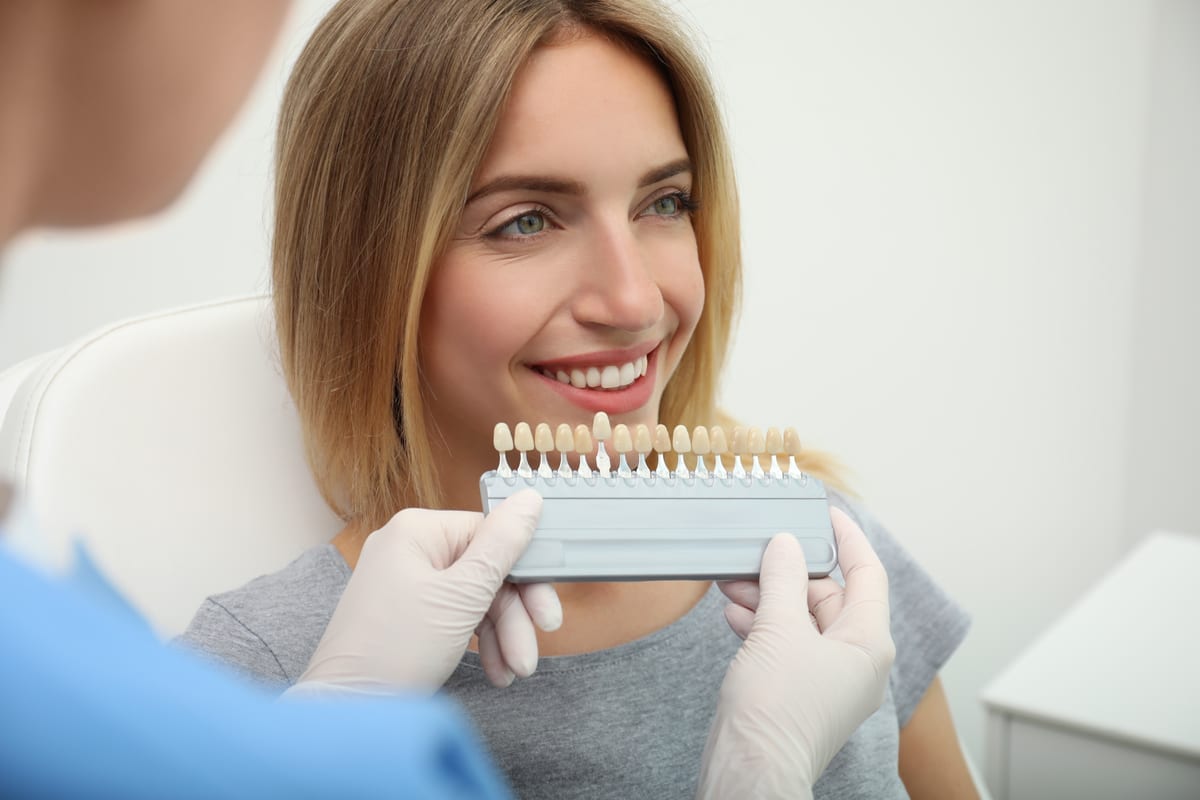
The shells are custom-shaped to match your desired tooth size, shape, and color. A small amount of enamel is usually removed to create a proper fit. This makes veneers a permanent commitment — your teeth will always need coverage after preparation. That’s why understanding the process fully before starting matters so much.
Veneers fall under the broader category of Cosmetic Dentistry Brooklyn patients rely on to improve the appearance of their smiles. They’re one of the most popular cosmetic options available today. And for good reason — the results can be dramatic and long-lasting.
What Problems Can Veneers Actually Fix in Brooklyn?
Veneers solve a specific range of cosmetic dental concerns. They work best when the underlying teeth are structurally healthy. Here’s a clear look at what they’re designed to address:
- Discoloration: Teeth that don’t respond to whitening — like those stained by tetracycline or fluorosis — respond well to veneers.
- Chips and cracks: Minor chips on front teeth are one of the most common reasons patients choose veneers.
- Gaps between teeth: Small spaces between front teeth can be closed with veneers without orthodontic treatment.
- Slightly crooked teeth: Mild misalignment can be masked visually with carefully shaped veneers.
- Uneven or worn teeth: Teeth that appear short or worn down can be restored to a more balanced look.
- Irregular tooth shape: Teeth that are too small or oddly shaped can be evened out beautifully.
These are primarily cosmetic fixes. Veneers change how your teeth look — not how they function structurally. That distinction is important to keep in mind as you explore your options.
What Veneers Cannot Fix — Honest Limitations to Know
This is where many patients are surprised. Veneers have real limitations that your dentist must assess carefully. Understanding what they won’t fix protects you from disappointment and unnecessary expense.
Veneers are not the right solution for:
- Severe tooth decay: A decayed tooth needs restorative treatment first — like a filling or crown — before veneers are considered.
- Significant misalignment: Moderate-to-severe crowding or bite issues require orthodontic treatment such as Invisalign, not veneers.
- Missing teeth: Veneers only cover existing teeth. A missing tooth requires a dental implant or bridge instead.
- Gum disease: Active gum disease must be treated and resolved before any cosmetic work begins.
- Severely damaged teeth: A tooth that’s badly broken or structurally compromised needs a dental crown, not a veneer.
- Teeth grinding (bruxism): Grinding can crack or chip veneers over time if the underlying habit isn’t addressed first.
Dr. Andrews will always evaluate your overall oral health before recommending veneers. Placing veneers over untreated dental problems doesn’t solve anything — it just masks them temporarily.
What to Expect During the Veneer Process at Our Brooklyn Practice
The veneer process typically takes two to three appointments. Here’s a simple breakdown of what happens at each stage:
- Consultation: Dr. Andrews examines your teeth, discusses your smile goals, and determines if veneers are the right fit for you.
- Preparation: A thin layer of enamel is gently removed from the front of each tooth being treated. Impressions are taken and sent to a dental lab.
- Temporary veneers: You’ll wear temporary veneers while your custom shells are being crafted — usually one to two weeks.
- Bonding: Your permanent veneers arrive and are carefully adjusted for fit and color before being bonded securely to your teeth.
- Final review: Dr. Andrews checks your bite and makes any final refinements to ensure everything feels natural and comfortable.
The process is straightforward when you’re a good candidate. Most patients find it far less intimidating than they expected. Knowing each step in advance helps reduce any anxiety about the treatment.
Are Veneers Right for You? Key Questions to Ask
Not every patient who wants veneers is the right candidate for them. That’s not a bad thing — it means there’s likely a better solution tailored to your specific situation. A thorough consultation helps clarify your path forward.
Ask yourself these questions before your appointment:
- Are my teeth and gums currently healthy?
- Is my concern primarily cosmetic, or is there an underlying structural issue?
- Do I grind my teeth at night?
- Am I prepared for a permanent change to my tooth enamel?
- Have I already tried teeth whitening without the results I wanted?
Bringing these answers to your consultation makes the conversation much more productive. Dr. Andrews can then give you a personalized recommendation based on your actual dental health and goals. Sometimes veneers are exactly right. Other times, a different treatment serves you better.
If you ever experience a sudden dental concern during your smile journey, know that Emergency Dentistry Brooklyn services are available at Signature Smile to address urgent issues quickly.
Conclusion: Making a Smart, Informed Smile Decision in Brooklyn
Veneers are a powerful cosmetic tool — but only when used for the right reasons. They cover discoloration, chips, gaps, and mild irregularities with stunning results. They don’t address decay, severe misalignment, gum disease, or missing teeth. Getting veneers explained clearly — what they actually fix and what they don’t in Brooklyn — is the first step to choosing wisely.
Dr. Chloe Andrews and the team at Signature Smile General & Cosmetic Dentistry in Crown Heights are here to walk you through every option. Your smile deserves an honest, personalized plan — not a one-size-fits-all approach. Book Now to schedule your appointment with our team.
Frequently Asked Questions
How long do porcelain veneers last?
Porcelain veneers typically last between 10 and 20 years with proper care. Brushing, flossing, and avoiding habits like nail-biting or teeth grinding help extend their lifespan. Regular dental checkups also allow Dr. Andrews to monitor the condition of your veneers over time.
Do veneers look natural?
Yes — modern porcelain veneers are designed to closely mimic the light-reflecting properties of natural tooth enamel. Dr. Andrews carefully matches the shade and shape to complement your facial features and surrounding teeth. Most people won’t be able to tell the difference.
Are veneers painful to get?
The procedure involves minimal discomfort for most patients. Local anesthesia is used during the enamel preparation stage to keep you comfortable. Some mild sensitivity after placement is normal but typically fades within a few days.
Can I whiten my veneers if they get stained?
Traditional teeth whitening treatments do not work on porcelain veneers. Porcelain is resistant to staining, which is one of its key advantages. If you’re concerned about color changes over many years, discuss replacement options with Dr. Andrews during a routine visit.
What’s the difference between veneers and dental crowns?
Veneers cover only the front surface of a tooth and are used primarily for cosmetic concerns. Dental crowns cap the entire tooth and are used when significant structural damage or decay is present. Dr. Andrews will recommend the option that best protects and improves your specific tooth.