
Sensitive teeth holding you back from whitening? Here’s what dentists do in Downtown Brooklyn to make treatment safe and comfortable. Many patients in Brooklyn, NY dream of a brighter smile but worry about pain. The good news is that sensitivity during whitening is manageable. Dr. Inna Trogan and the team at Signature Smile General & Cosmetic Dentistry help patients achieve confident smiles every day.
Tooth sensitivity is one of the most common concerns we hear. Patients often assume whitening is simply off the table for them. That assumption keeps many people from exploring options that could genuinely work. Understanding why sensitivity happens is the first step toward a solution.
Why Does Tooth Sensitivity Happen During Whitening?
Whitening products use peroxide-based agents to lift stains. These agents temporarily open tiny channels in your enamel called dentinal tubules. When those channels open, hot, cold, and air can reach the nerve inside the tooth. This is what causes the sharp, shooting sensation many patients describe.
The concentration of the whitening agent matters greatly. Higher concentrations can cause more intense sensitivity. Over-the-counter strips often use lower concentrations, but patients apply them without professional guidance. That lack of guidance can make sensitivity worse and results less predictable.
Existing enamel erosion also raises sensitivity risk. Patients with gum recession expose more of the tooth root, which has no enamel protection. Cavities or cracked teeth create additional pathways for sensitivity. A thorough dental exam before whitening identifies all of these risk factors early.
How Dentists in Downtown Brooklyn Minimize Whitening Sensitivity
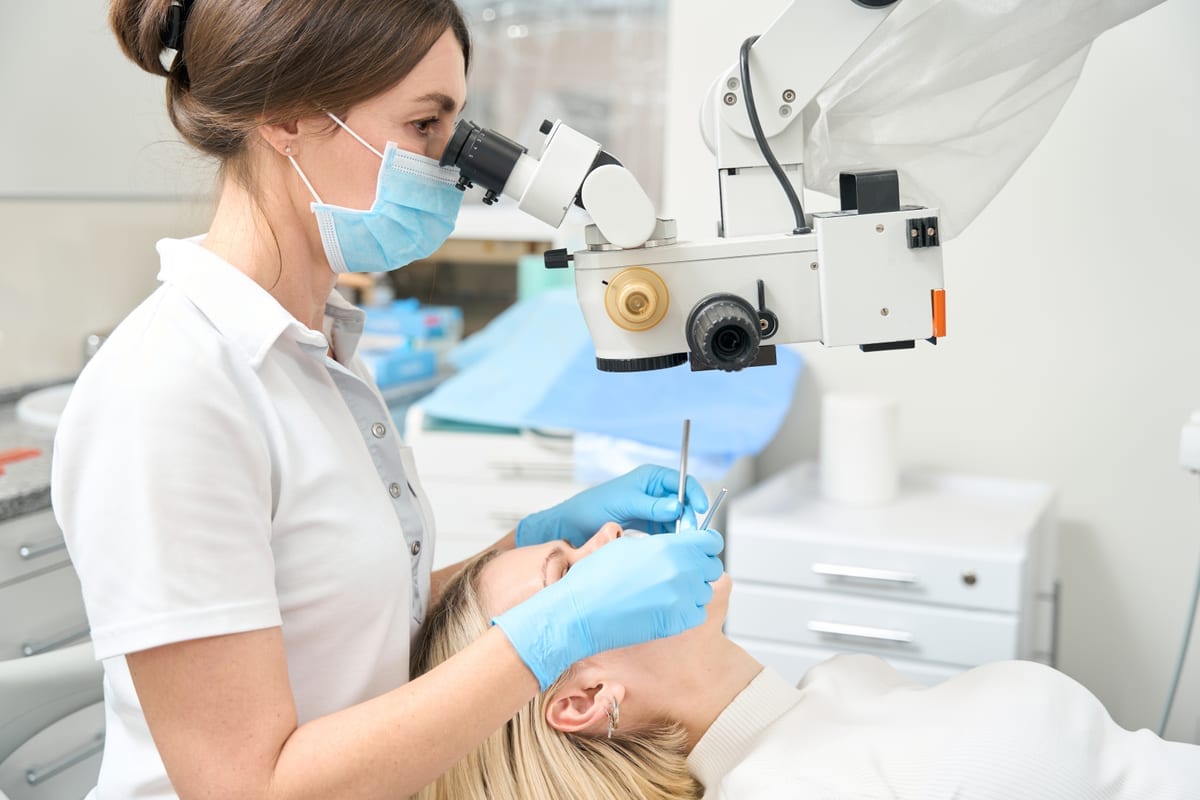
Professional whitening at Signature Smile starts with a complete evaluation. Dr. Trogan assesses your enamel strength, gum health, and existing restorations first. This step alone significantly reduces the risk of uncomfortable sensitivity. Patients receive a customized treatment plan, not a one-size-fits-all approach.
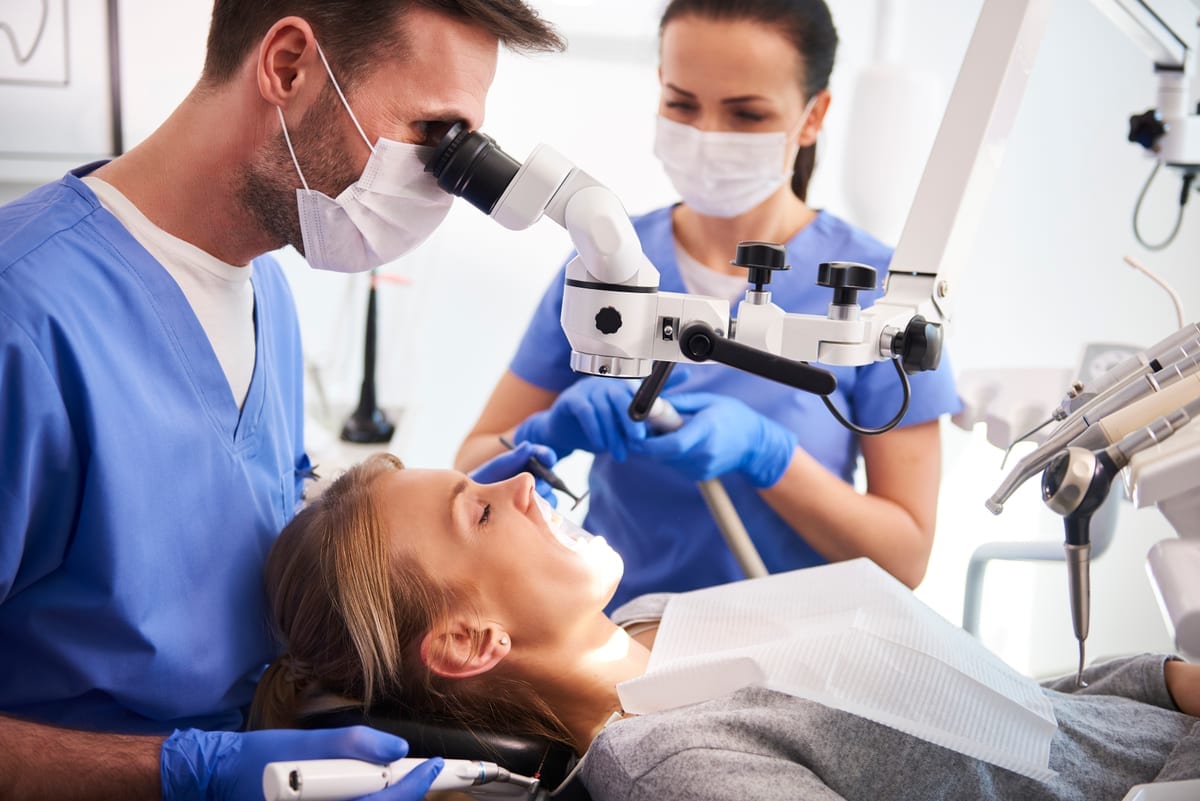
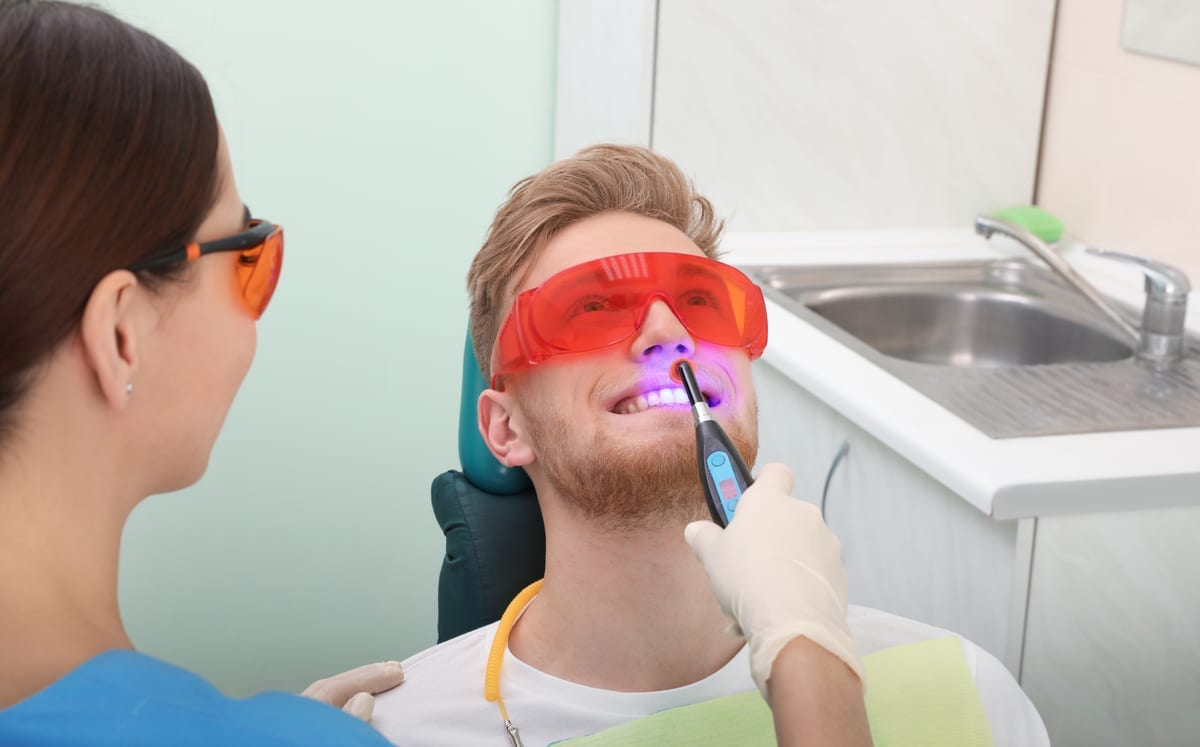
In-office treatments use carefully controlled peroxide concentrations. Dentists apply a protective barrier to your gums before the whitening gel goes on. This prevents the agent from irritating soft tissue. The process is monitored closely throughout every session.
Custom take-home trays are another powerful option. Dentists create trays that fit your exact tooth shape. A precise fit means the gel stays on enamel and away from gums. Patients use a lower-concentration gel over a longer period, which dramatically reduces sensitivity.
- Pre-treatment fluoride applications to strengthen enamel before whitening begins
- Desensitizing gels applied directly after each whitening session
- Potassium nitrate-based products that calm the nerve inside the tooth
- Shorter application times for patients with higher baseline sensitivity
- Spacing out sessions to give teeth time to recover between treatments
These professional strategies simply are not available with drugstore products. That difference in care is why patients see better results with less discomfort in a clinical setting.
What You Can Do at Home to Manage Sensitivity
Your at-home habits play a big role in managing whitening sensitivity. Starting with the right toothpaste makes a meaningful difference. Desensitizing toothpastes containing potassium nitrate or stannous fluoride block pain signals over time. Use them for two weeks before your whitening appointment if you know you are sensitive.
Avoid extremely hot or cold foods and drinks on whitening days. Your enamel is temporarily more porous after treatment. Giving your teeth a break from temperature extremes helps them recover faster. Room-temperature water is your best friend during this period.
- Brush gently with a soft-bristled toothbrush to avoid additional enamel wear
- Rinse with a fluoride mouthwash daily to remineralize enamel
- Avoid acidic foods like citrus and vinegar for 48 hours after whitening
- Take an over-the-counter pain reliever before sessions if your dentist recommends it
- Skip whitening sessions if sensitivity feels severe — spacing them out is always an option
Good ongoing Preventive Dentistry habits support your whitening results long-term. Strong, healthy enamel whitens more effectively and recovers from treatment more quickly. Pairing whitening with consistent preventive care gives you the best possible outcome.
Who Is a Good Candidate for Professional Whitening Despite Sensitivity?
Most patients with sensitive teeth can still whiten safely under professional supervision. The key is identifying the cause of the sensitivity first. If gum disease, cavities, or cracked teeth are present, those need treatment before whitening begins. Whitening on unhealthy teeth always makes sensitivity worse.
Patients with mild to moderate enamel erosion often do well with take-home trays. Lower peroxide concentrations applied gradually are gentler on vulnerable enamel. Dr. Trogan may recommend remineralizing treatments before starting the whitening process. Building enamel strength in advance creates a much more comfortable experience.
Patients with very severe sensitivity or significant enamel loss may need alternative cosmetic options. Veneers or bonding can create dramatic smile improvements without any whitening agents. These options cover discoloration rather than lifting it chemically. A consultation helps determine which path makes the most sense for your specific situation.
Supporting your smile with strong Preventive Dentistry practices before and after whitening helps maintain your results. Patients who brush, floss, and attend regular cleanings keep their smiles brighter longer. Prevention and cosmetic care work best together as part of a complete dental routine.
What to Expect at Your Whitening Consultation at Signature Smile
Your first step is a no-pressure consultation with Dr. Trogan. She will review your dental history and examine your teeth and gums thoroughly. Digital X-rays may be taken to assess enamel thickness and check for hidden decay. This information guides every recommendation she makes.
Dr. Trogan will explain all available whitening options clearly. She will walk you through what to expect in terms of sensitivity and results. You will have time to ask every question you have before any treatment begins. Patients leave the consultation feeling informed and confident, not pressured.
Signature Smile General & Cosmetic Dentistry serves patients across Brooklyn Heights and the broader Brooklyn, NY community. The team takes pride in making cosmetic treatments accessible and comfortable for everyone. A brighter smile does not have to mean sacrificing comfort. The right professional guidance makes all the difference.
Do not let sensitivity keep you from the smile you want. Book Now to schedule your appointment with our team.
Frequently Asked Questions
Is teeth whitening safe if I already have sensitive teeth?
Yes, whitening can be safe for sensitive teeth when performed under professional supervision. Dr. Trogan evaluates your enamel and gum health before recommending any treatment. Customized protocols, desensitizing agents, and lower-concentration gels help minimize discomfort significantly. Most patients with sensitivity are still good candidates for professional whitening.
How long does whitening sensitivity last after a professional treatment?
Sensitivity after professional whitening typically fades within 24 to 48 hours. Some patients experience mild tingling for a day or two, while others feel nothing at all. Using a desensitizing toothpaste before and after treatment shortens recovery time. Avoiding very hot or cold foods during this window also helps.
Can I use over-the-counter whitening strips if my teeth are sensitive?
Over-the-counter strips can cause sensitivity because they are not customized to your teeth. Without a professional evaluation, underlying issues like enamel erosion or cavities can make sensitivity worse. Professional whitening gives you controlled concentrations and protective measures that strips cannot provide. Speak with Dr. Trogan before choosing any whitening method.
What is the difference between in-office whitening and take-home trays for sensitive teeth?
In-office whitening uses higher concentrations of peroxide for faster results in a single visit. Take-home trays use lower concentrations applied gradually over several days or weeks. For sensitive patients, take-home trays often cause less discomfort because the process is slower and gentler. Your dentist can help you decide which approach suits your sensitivity level best.
Will my teeth become more sensitive over time if I whiten regularly?
Occasional professional whitening does not permanently increase sensitivity for most patients. Overusing whitening products, however, can weaken enamel and cause lasting discomfort. Following your dentist’s recommended schedule and pairing whitening with strong preventive care protects your enamel long-term. Regular checkups allow Dr. Trogan to monitor your enamel health and adjust your whitening plan as needed.