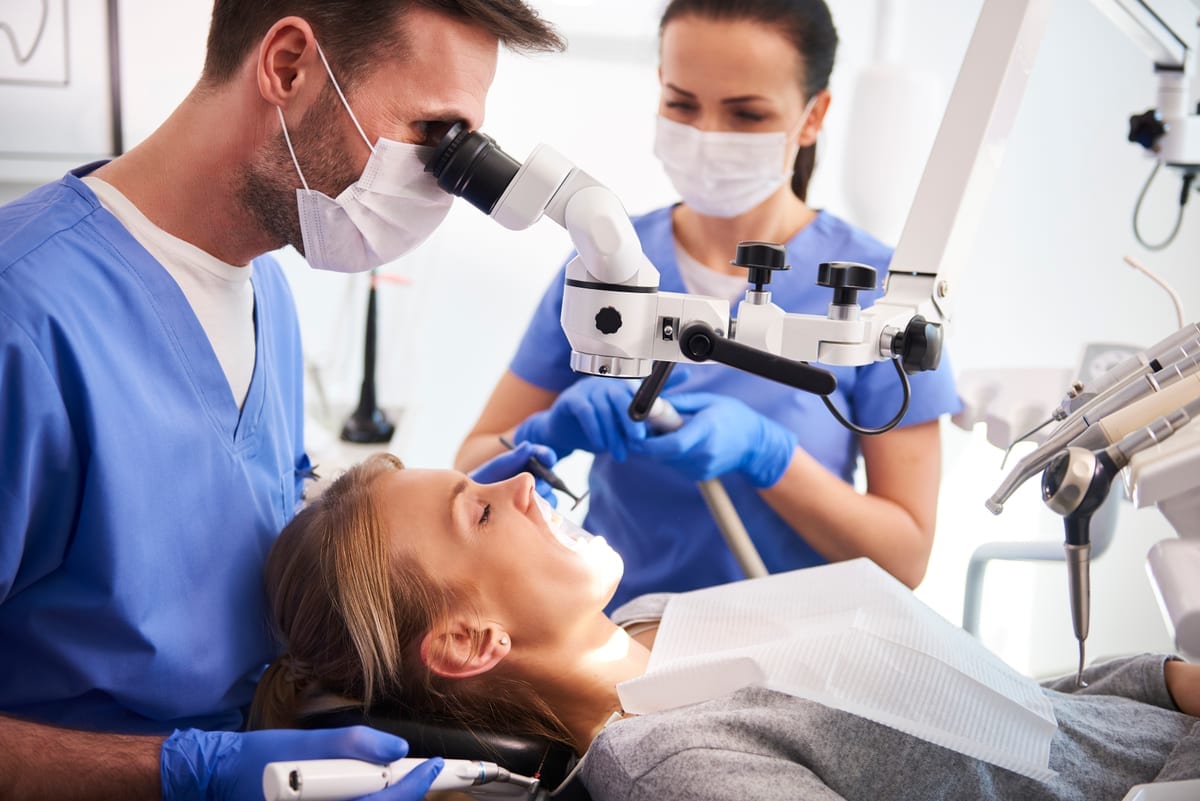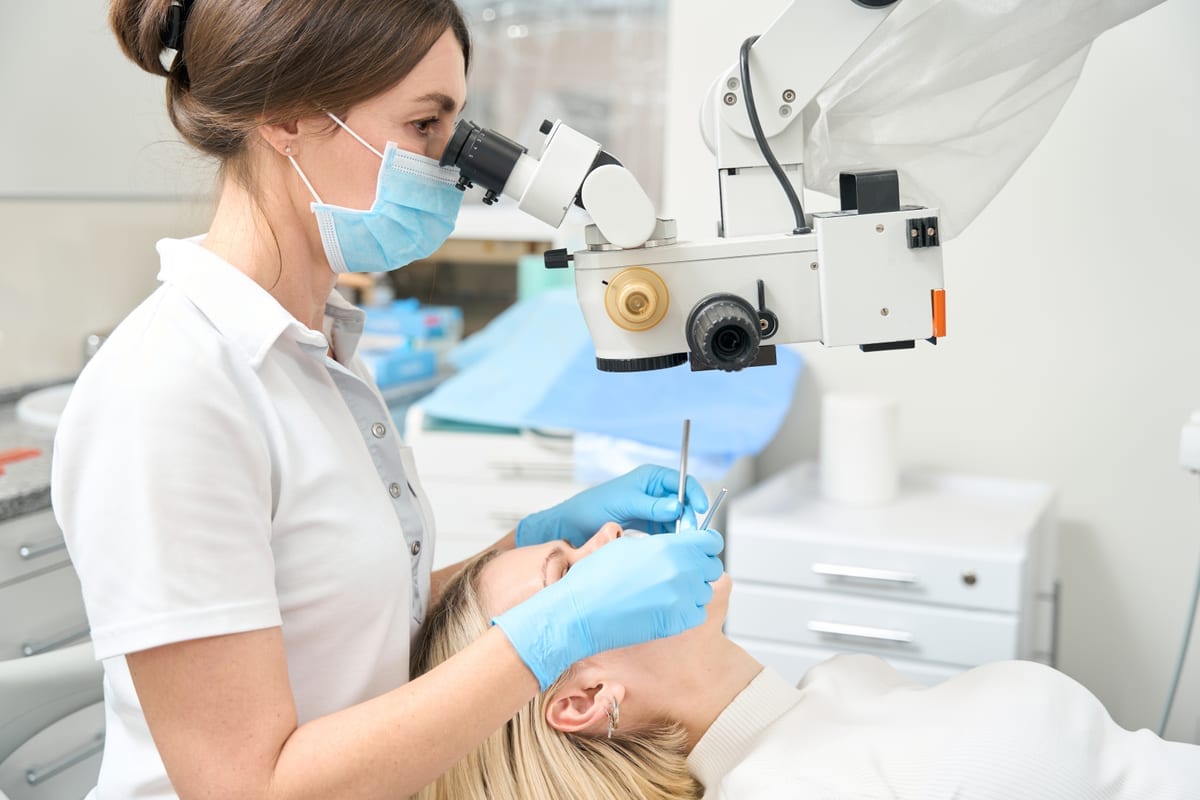


If you’ve ever left a cleaning feeling disappointed by lingering stains, you’re not alone. Many Park Slope patients wonder what their teeth cleaning can actually remove — and what it can’t. Understanding the difference helps you walk in with realistic expectations. It also helps you decide when a whitening treatment might be the right next step.
At Signature Smile General & Cosmetic Dentistry – Crown Heights, Dr. Chloe Andrews takes time to explain exactly what each visit can accomplish. Preventive Dentistry is about more than just clean teeth — it’s about understanding your oral health from the inside out. Knowing what your cleaning removes puts you in control of your smile goals.
What a Professional Teeth Cleaning Actually Does in Park Slope
A professional teeth cleaning goes well beyond what your toothbrush can do at home. Your hygienist uses specialized tools to remove buildup that hardens over time. This process targets two main culprits: plaque and tartar.
Plaque is a soft, sticky film of bacteria that forms daily on your teeth. If plaque isn’t removed, it hardens into tartar — also called calculus. Tartar bonds firmly to enamel and can only be removed by a dental professional.
Your cleaning also includes a polishing step. This step uses a mildly abrasive paste to buff the surface of each tooth. The result is a smoother, slightly brighter finish — but it’s not the same as whitening.
Surface Stains a Cleaning Can Remove
One of the most satisfying parts of a cleaning is stain removal. Certain surface stains respond very well to professional polishing. These are called extrinsic stains — they sit on the outer layer of your enamel.
Common sources of extrinsic stains include:
- Coffee and tea
- Red wine
- Dark berries and foods with deep pigments
- Tobacco and cigarettes
- Certain sauces like soy sauce or tomato sauce
If these stains are mild to moderate, polishing during your cleaning can lift them noticeably. Many patients in Park Slope are surprised by how much brighter their teeth look after a routine visit. That fresh, polished look is real — and it’s one of the genuine perks of staying current with your appointments.
However, the degree of improvement depends on how long the stains have been there. Stains that have built up over years may only partially respond to cleaning. That’s when whitening becomes worth exploring.
What a Cleaning Cannot Remove — And Why That Matters
This is where realistic expectations become essential. Not every discoloration responds to a standard cleaning — no matter how thorough it is. Understanding the difference between extrinsic and intrinsic stains is key.
Intrinsic stains develop inside the tooth itself. They affect the dentin layer beneath the enamel. A polishing tool cannot reach or reverse this type of discoloration.
Common causes of intrinsic staining include:
- Certain medications taken during tooth development (like tetracycline)
- Excessive fluoride exposure during childhood (dental fluorosis)
- Trauma or injury to a tooth
- Natural aging, which thins enamel and darkens dentin
- Genetics and natural tooth color variation
A cleaning will not change the underlying color of your teeth. If your enamel is naturally yellowish or your dentin has darkened with age, polishing won’t reverse that. This is a completely normal finding — not a failure of your hygiene habits.
For intrinsic discoloration, treatments like professional teeth whitening or veneers offer the most reliable results. Dr. Andrews can help you understand which option fits your specific situation.
Teeth Cleaning vs. Teeth Whitening: Understanding the Difference
Patients often assume a cleaning and whitening are interchangeable. They’re not — and knowing the difference saves you from unmet expectations. A cleaning focuses on health: removing bacteria, tartar, and surface deposits. Whitening focuses on aesthetics: changing the actual shade of your enamel and dentin.
Professional whitening uses a bleaching agent, usually hydrogen peroxide or carbamide peroxide. This agent penetrates enamel and breaks apart deeply pigmented molecules. The result is a measurably lighter tooth shade — not just a surface polish.
Here’s a simple way to think about it:
- Cleaning = removes what shouldn’t be there (buildup, surface stains, bacteria)
- Whitening = changes the actual color of your natural tooth structure
If you’ve ever had a cleaning and still felt your teeth looked dull or yellow afterward, whitening may be the missing step. The two treatments work beautifully together. Many patients start with a cleaning and then move into whitening for a more comprehensive refresh.
How Often Should Park Slope Patients Schedule Cleanings?
Most adults benefit from a professional cleaning every six months. This schedule gives your hygienist a regular opportunity to remove new tartar buildup before it becomes a bigger problem. It also gives Dr. Andrews a chance to monitor for early signs of decay or gum disease.
Some patients need more frequent visits. Those with a history of gum disease, higher plaque production, or certain health conditions may benefit from cleanings every three to four months. Your dental team will recommend the right schedule based on your individual needs.
Consistent cleanings also keep surface stains from becoming deeply embedded. The longer stains sit on enamel, the harder they are to remove. Staying on schedule is one of the simplest ways to maintain a brighter, healthier smile between whitening treatments.
Explore more about how Preventive Dentistry supports your long-term smile health at every stage of life.
Setting Realistic Expectations Before Your Next Visit
Walking into your appointment informed makes a real difference. You’ll feel less disappointed if the polishing doesn’t dramatically change your tooth color. You’ll also know to ask about whitening options if a brighter smile is your goal.
Dr. Chloe Andrews and the team at Signature Smile General & Cosmetic Dentistry – Crown Heights are here to guide you through those decisions. Every smile is different. What works for one Park Slope patient may not be the right fit for another. A thorough conversation during your exam helps map out the most effective path forward.
Whether you need a routine cleaning, a whitening consultation, or something more involved, our Crown Heights team is ready to help. Book Now to schedule your appointment with our team.
Frequently Asked Questions
Can a teeth cleaning whiten my teeth?
A cleaning can remove surface stains and leave your teeth looking polished and slightly brighter. However, it does not change the actual shade of your enamel. For a noticeable color change, professional teeth whitening is a more effective option.
Why do my teeth still look yellow after a cleaning?
Yellow or dull tones after a cleaning are usually due to intrinsic staining or natural dentin color showing through thin enamel. A cleaning removes what’s on the surface — it cannot alter the underlying tooth color. Whitening treatments or veneers are better suited for that type of discoloration.
How long do the results of a professional cleaning last?
The tartar removal and surface stain polishing from a professional cleaning can last several months with good at-home care. However, stain-causing foods and habits can cause new discoloration to build up within weeks. Most dentists recommend a cleaning every six months to maintain results.
Is polishing during a cleaning safe for enamel?
Yes — the polishing paste used during a standard cleaning is mildly abrasive and considered safe for enamel. It buffs away surface deposits without causing significant enamel wear. Your hygienist is trained to use it appropriately based on your specific enamel condition.
What’s the best way to maintain results between cleanings in Park Slope?
Brushing twice daily, flossing once a day, and limiting stain-causing foods and drinks all help preserve your cleaning results. Using a whitening toothpaste can also help manage mild surface staining between visits. Staying consistent with your six-month cleaning schedule is the most reliable strategy overall.