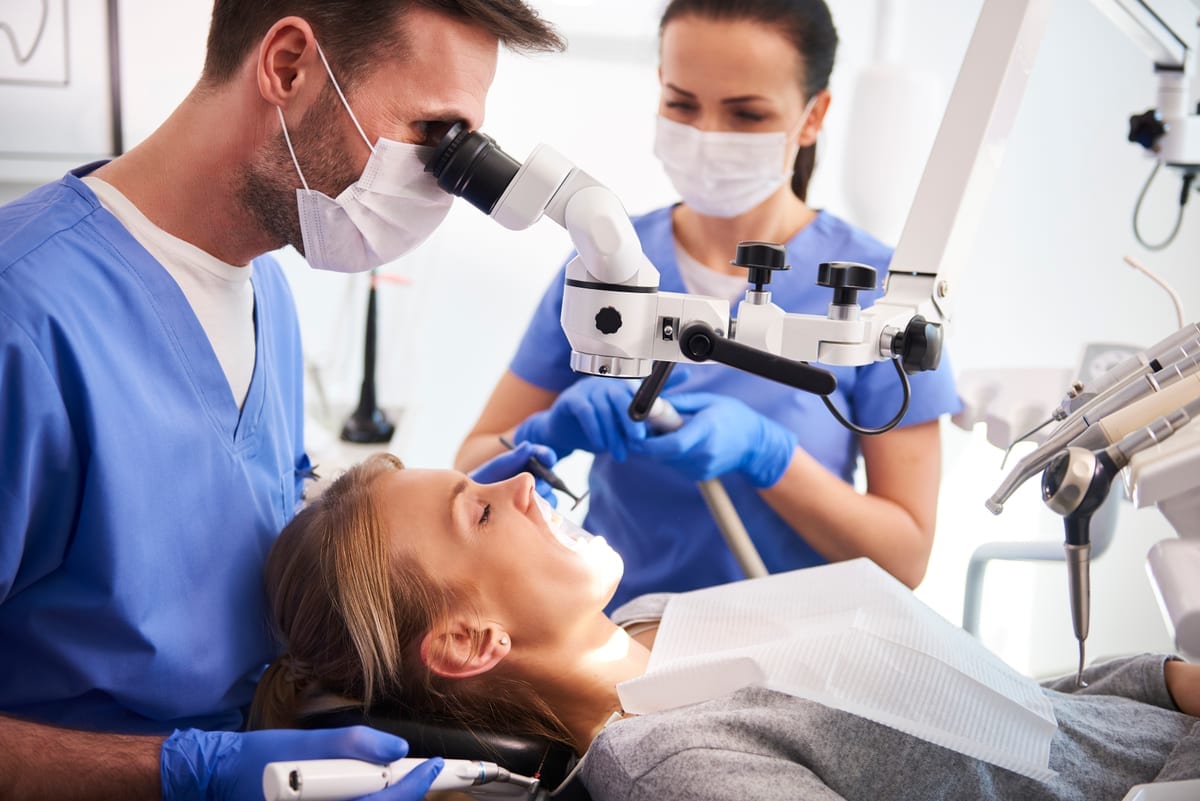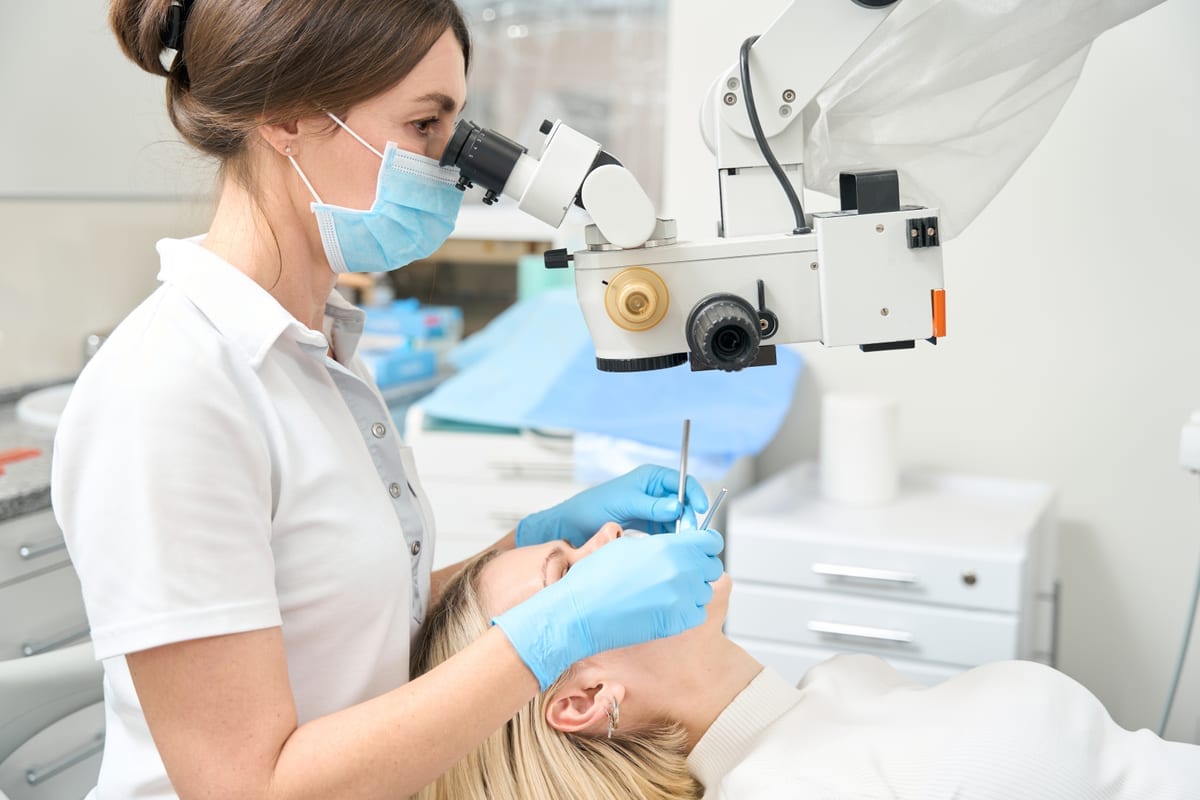
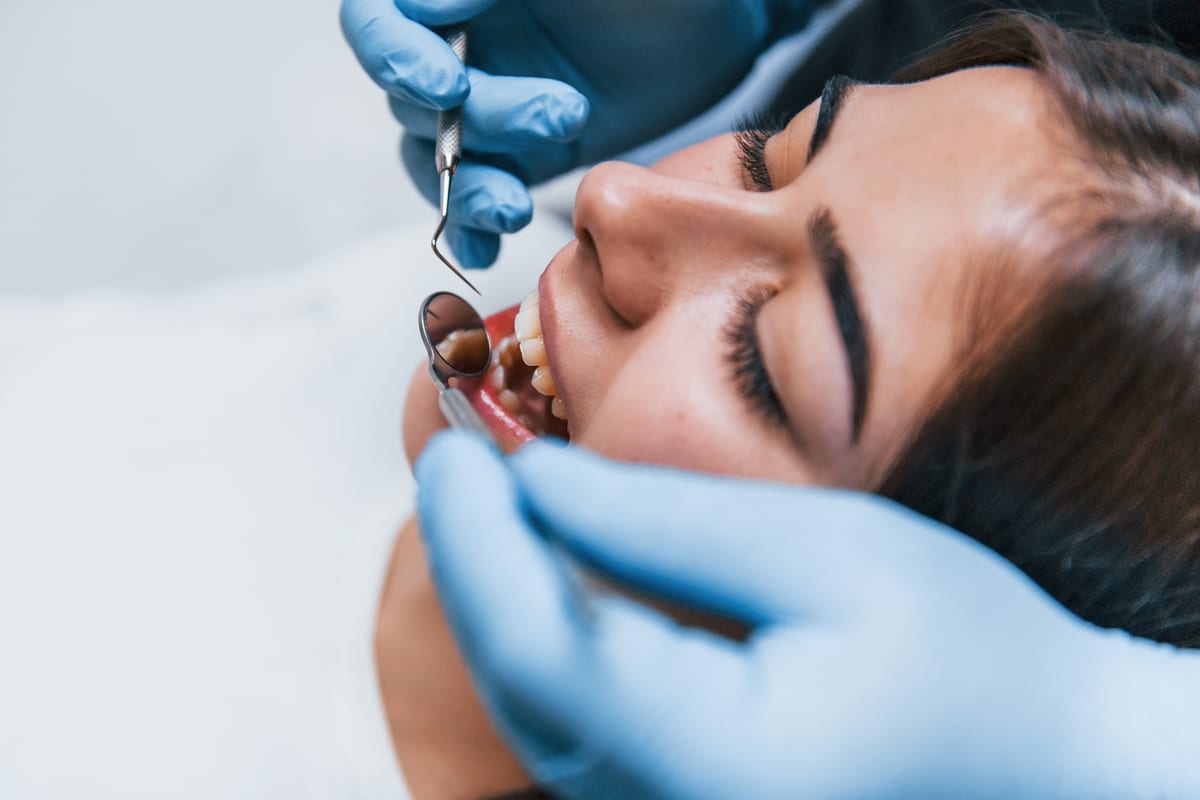
You just finished your professional cleaning at Signature Smile General & Cosmetic Dentistry — Brooklyn Heights. Your teeth feel smooth, fresh, and incredibly clean. But what you do in the next few hours matters more than most people realize. Knowing what to do and avoid right after your professional cleaning in Brooklyn Heights can protect your results and keep your smile healthier longer. Dr. Inna Trogan and our team want you walking out with both a clean smile and the knowledge to maintain it.
Why the Hours After Your Cleaning Matter Most
After a professional cleaning, your teeth are in a uniquely vulnerable state. The hygienist has removed built-up plaque and tartar from your enamel surfaces. That process temporarily opens microscopic pathways in the enamel, making teeth more sensitive to certain foods, drinks, and habits.
Your gums may also feel slightly tender after scaling and polishing. This is completely normal. It simply means your tissues are responding to thorough cleaning. The inflammation typically fades within 24 hours.
Think of the post-cleaning window as a recovery period. Protecting this window helps the fluoride treatment bond properly. It also gives your gums a chance to settle before you introduce anything harsh.
This is exactly why Preventive Dentistry involves more than just the appointment itself. The actions you take at home seal in the benefits of professional care.
What To Do Right After Your Professional Cleaning in Brooklyn Heights
Following the right steps after your appointment helps your mouth heal and makes your cleaning last longer. Here is what Dr. Trogan recommends doing in the first 24 hours:
- Drink plenty of water. Water helps rinse away any residual polish and keeps your mouth hydrated.
- Wait 30 minutes before eating. This allows fluoride treatments to fully absorb into enamel.
- Eat soft, mild foods first. Yogurt, bananas, eggs, and cooked vegetables are great options.
- Brush gently that evening. Use a soft-bristle toothbrush with light pressure.
- Floss carefully. Your gums may be tender, but gentle flossing supports healing.
- Use a fluoride toothpaste. It reinforces the protective layer applied during your cleaning.
These steps are simple, but they make a real difference. Patients who follow post-cleaning care consistently see better outcomes between visits.
What To Avoid After Your Cleaning — And Why
Just as important as what you do is what you skip. Some foods, drinks, and habits can undo your cleaning’s benefits quickly. Avoid these things for at least 24 hours after your appointment:
- Staining foods and drinks. Coffee, tea, red wine, soy sauce, and berries can stain newly polished enamel more easily.
- Tobacco products. Smoking or chewing tobacco immediately after a cleaning stains teeth and irritates healing gums.
- Very hot or very cold foods. Teeth cleaning can cause temporary sensitivity. Extreme temperatures will make it worse.
- Hard or crunchy foods. Chips, nuts, and raw carrots can aggravate tender gum tissue.
- Acidic beverages. Orange juice, lemonade, and soda soften enamel and counteract fluoride absorption.
- Vigorous brushing. Hard pressure on freshly cleaned gums can cause bleeding and irritation.
Avoiding these items for just one day protects your investment. Your teeth will look whiter and feel cleaner for much longer as a result.
Managing Sensitivity After Your Appointment
Some patients experience mild tooth sensitivity after a professional cleaning. This is especially common if tartar buildup was heavy. Exposed root surfaces or inflamed gums can amplify that sensation temporarily.
Here are a few ways to manage sensitivity in the hours and days after your visit:
First, switch to a sensitivity-specific toothpaste. These products contain potassium nitrate or stannous fluoride, both of which calm nerve activity inside the tooth. Use it morning and night.
Second, avoid whitening products for at least 48 hours. Teeth whitening agents can significantly worsen sensitivity on freshly cleaned enamel. Wait until your mouth fully settles before using them.
Third, rinse with warm salt water twice daily. This gentle rinse soothes gum tissue and reduces minor inflammation naturally. Mix half a teaspoon of salt with eight ounces of warm water.
If sensitivity persists beyond a week, contact our Brooklyn Heights office. Persistent sensitivity can sometimes signal an underlying issue that warrants a closer look.
Building a Strong Routine Between Visits
Your professional cleaning sets a great foundation. But daily habits determine how long that foundation holds. Dr. Trogan always encourages patients to view cleanings as a reset — not a substitute for home care.
Between appointments, brush twice daily for two full minutes. Use a soft-bristle brush and fluoride toothpaste. Floss at least once every evening to remove plaque from between teeth where your toothbrush cannot reach.
Consider adding an antimicrobial mouthwash to your routine. It reduces bacteria that cause plaque buildup between visits. Ask our team which formula works best for your specific needs during your next appointment.
Staying current with your scheduled cleanings is the most effective long-term strategy. Most adults benefit from cleanings every six months. Some patients with gum disease or high plaque buildup may need to come in every three to four months. Your Preventive Dentistry plan will be tailored to your individual situation.
When To Call Our Brooklyn Heights Office
Most post-cleaning discomfort resolves within 24 to 48 hours. However, certain symptoms deserve attention sooner. Watch for these signs and reach out if you notice them:
- Gum bleeding that does not stop after 48 hours
- Significant swelling in the gums or jaw
- Sharp or throbbing tooth pain lasting more than a few days
- A loose filling or crown that may have shifted during cleaning
These symptoms are uncommon, but they should never be ignored. Early attention prevents small issues from becoming bigger ones.
Our team at Signature Smile General & Cosmetic Dentistry in Brooklyn Heights is always here to answer your questions. Never hesitate to call if something feels off after your appointment.
Your Next Step Toward a Healthier Smile
Taking care of your teeth right after a professional cleaning is one of the easiest ways to extend the benefits of your visit. Eat gently, avoid staining foods, manage sensitivity, and keep up your daily routine. These small steps add up to a significantly healthier smile over time. Dr. Inna Trogan and the entire Signature Smile team are committed to supporting your oral health every step of the way. Book Now to schedule your appointment with our team.
Frequently Asked Questions
Can I eat right after a professional teeth cleaning?
It is best to wait at least 30 minutes before eating. This gives fluoride treatment time to absorb into the enamel. When you do eat, choose soft, mild foods and avoid anything acidic, very hot, or very cold for the first 24 hours.
Why are my teeth sensitive after a cleaning?
Sensitivity is common after a professional cleaning, especially if there was significant tartar buildup. The cleaning process exposes areas of enamel and root surface that were previously covered. This sensitivity typically fades within 24 to 48 hours. Using a sensitivity toothpaste can help speed up relief.
How long should I avoid coffee and tea after my cleaning?
Try to avoid coffee, tea, and other staining beverages for at least 24 hours after your cleaning. Newly polished enamel absorbs stains more readily than usual. Waiting one full day helps lock in the clean, bright results of your appointment.
Is bleeding normal after a teeth cleaning?
Minor gum bleeding during or right after a cleaning can be normal, especially if gum disease or inflammation is present. This typically resolves within 24 hours with gentle home care. If bleeding continues beyond 48 hours, contact our Brooklyn Heights office for guidance.
How often should I schedule professional cleanings?
Most adults should schedule professional cleanings every six months. Patients with gum disease, high plaque levels, or certain health conditions may benefit from more frequent visits — every three to four months. Dr. Trogan will recommend the right schedule based on your individual oral health needs.