

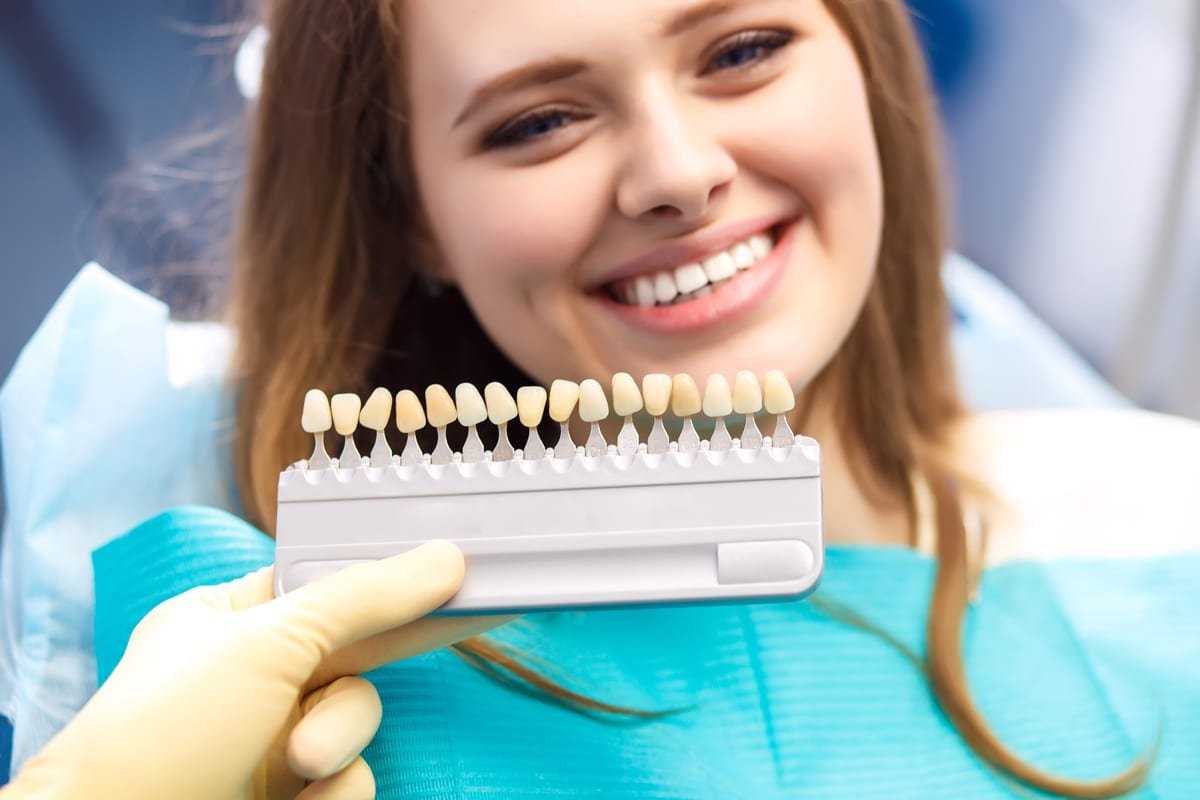
If you’ve been researching veneers, you’ve likely hit one big question fast. Should you choose porcelain or composite? When weighing Porcelain vs. Composite Veneers: Which Actually Lasts Longer Brooklyn patients need honest, clear answers. Both options can dramatically improve your smile. But they differ in ways that really matter — durability, cost, appearance, and how much tooth prep is involved. At Signature Smile General & Cosmetic Dentistry in Brooklyn Heights, Dr. Inna Trogan helps patients understand exactly what each option offers before making any decisions.
Porcelain Veneers: Aesthetics, Durability, and What to Expect
Porcelain veneers are thin ceramic shells custom-crafted in a dental lab. They bond permanently to the front surface of your teeth. Most patients choose them for their incredibly natural, translucent appearance. Porcelain reflects light similarly to natural enamel, making results look seamless.
Durability is one of porcelain’s biggest advantages. With proper care, porcelain veneers typically last 10 to 20 years. They resist staining better than composite resin. Coffee, tea, and red wine are far less likely to discolor them over time.
The procedure does require some prep work. Dr. Trogan removes a thin layer of enamel from each tooth. This makes the placement permanent — you’ll always need veneers on those teeth. Two appointments are typically needed: one to prepare and one to bond the final shells.
- Lasts 10–20 years with proper care
- Highly stain-resistant surface
- Custom-crafted in a dental lab for precision fit
- Natural, translucent appearance that mimics enamel
- Ideal for patients seeking long-term cosmetic results
Composite Veneers: Speed, Repairability, and Cost Differences
Composite resin veneers are applied directly to the tooth surface by your dentist. The process is usually completed in a single appointment. Dr. Trogan sculpts the resin onto each tooth and hardens it with a curing light. This makes composite a faster, more affordable option upfront.
Composite veneers typically cost significantly less than porcelain. For patients with budget concerns, this difference is meaningful. They also require less — or sometimes no — enamel removal. This means the procedure can be more reversible than porcelain.
Repairability is another key advantage. If a composite veneer chips or cracks, it can often be repaired at the office quickly. Porcelain, by contrast, usually requires a full replacement if it breaks. For active Brooklyn patients or those prone to grinding, this flexibility has real value.
However, composite does have limitations. It stains more easily over time. Lifespan is generally shorter — around 5 to 7 years on average. Polishing and maintenance visits can help extend their appearance.
- Completed in one appointment
- Lower upfront cost compared to porcelain
- Easily repaired if chipped or cracked
- Less tooth structure removed during prep
- Shorter lifespan of approximately 5–7 years
Which Veneer Type Actually Lasts Longer in Brooklyn?
The straightforward answer is porcelain. It simply outlasts composite resin in most cases. Porcelain veneers can last twice as long when cared for properly. That said, longevity depends heavily on lifestyle and maintenance habits.
Brooklyn patients who grind their teeth at night face a higher risk of veneer damage. A custom night guard can protect either type. Patients who consume staining beverages frequently may find composite shows wear faster. Your daily habits play a major role in how long either option lasts.
The cost-per-year calculation also matters. Porcelain costs more upfront but may be more economical long-term. Composite may need replacement sooner, adding up over the years. Dr. Trogan walks each patient through this comparison during consultations at the practice.
Ultimately, the best choice depends on your goals, timeline, and budget. There’s no single right answer for every patient. A personalized assessment is always the most reliable guide. Exploring your options through Cosmetic Dentistry Brooklyn services at Signature Smile is a great starting point.
How Dr. Trogan Helps Brooklyn Patients Choose the Right Veneer
Dr. Inna Trogan takes a thorough, patient-centered approach at every consultation. She evaluates the health of your existing teeth first. Veneers work best when placed on structurally sound, healthy tooth surfaces. Patients with active decay or gum concerns address those issues before veneer placement.
She also considers your smile goals carefully. Are you looking to correct chips, gaps, discoloration, or minor misalignment? Different concerns may favor one veneer type over the other. Dr. Trogan explains each factor clearly so you can decide with confidence.
If a dental concern arises during your evaluation that needs urgent attention, the team also handles Emergency Dental Care Brooklyn patients may need before cosmetic work begins. Your oral health always comes first at Signature Smile.
The practice serves patients throughout Brooklyn Heights and the surrounding neighborhoods. The team combines professional expertise with a genuinely welcoming atmosphere. Patients leave consultations feeling informed, not pressured.
Caring for Veneers: Tips That Apply to Both Types
Regardless of which veneer you choose, proper care extends their lifespan significantly. Consistent habits make a measurable difference over time. Here are key care tips Dr. Trogan recommends for all veneer patients.
- Brush twice daily with a non-abrasive toothpaste
- Floss daily to protect gum health around veneers
- Avoid biting hard objects like ice, pens, or nails
- Wear a night guard if you grind your teeth
- Schedule regular cleanings and checkups every six months
- Limit staining beverages or rinse with water after consuming them
Routine dental visits are especially important after veneer placement. Dr. Trogan monitors the fit, integrity, and appearance at each visit. Early detection of any issues helps avoid more significant repairs later. Treating your veneers like a long-term investment pays off in lasting results.
Making Your Decision: A Summary for Brooklyn Patients
Choosing between porcelain and composite comes down to a few clear factors. Porcelain wins on longevity, aesthetics, and stain resistance. Composite wins on cost, repairability, and procedure simplicity. Neither is universally better — both serve different patient needs well.
Patients in Brooklyn who want a durable, decade-long result often prefer porcelain. Those looking for an affordable, reversible enhancement often prefer composite. Dr. Trogan helps you weigh these factors against your personal situation honestly. You’ll never feel rushed or pushed toward an option that doesn’t suit your goals.
Signature Smile General & Cosmetic Dentistry in Brooklyn Heights is ready to help you take the next step. The team combines clinical expertise with genuine warmth. Your smile transformation starts with a single conversation. Book Now to schedule your appointment with our team.
Frequently Asked Questions
How long do porcelain veneers last compared to composite in Brooklyn?
Porcelain veneers typically last between 10 and 20 years with proper care. Composite resin veneers generally last 5 to 7 years before showing significant wear or staining. Lifestyle habits, oral hygiene, and regular dental visits all influence how long either type holds up.
Are composite veneers a good option if I’m on a budget?
Yes, composite veneers offer a more affordable entry point for patients seeking cosmetic improvements. They cost significantly less than porcelain upfront and can be completed in one visit. However, they may need replacement sooner, so it’s worth discussing the long-term cost comparison with Dr. Trogan.
Can porcelain veneers be repaired if they chip?
Unfortunately, porcelain veneers cannot typically be repaired if they chip or crack. A damaged porcelain veneer usually requires full replacement. Composite veneers, by contrast, can often be repaired quickly and affordably at the dental office.
Do veneers require a lot of tooth preparation?
Porcelain veneers require removing a thin layer of enamel to ensure a proper fit and natural look. This makes them a permanent commitment. Composite veneers often require little to no enamel removal, making them a less invasive option for many patients.
How do I know which veneer type is right for me?
The best way to decide is through a personalized consultation with Dr. Inna Trogan at Signature Smile in Brooklyn Heights. She evaluates your dental health, aesthetic goals, and lifestyle to recommend the most suitable option. There’s no one-size-fits-all answer — every smile is unique.