
If you’re exploring veneers in Brooklyn, you’ve likely hit one big question fast. Should you choose porcelain or composite resin? When weighing porcelain vs. composite veneers: which actually lasts longer in Brooklyn depends on several personal factors. Dr. Chloe Andrews at Signature Smile General & Cosmetic Dentistry helps patients understand both options clearly. This guide breaks down the real differences so you can make a confident choice.
What Are Porcelain and Composite Veneers?
Veneers are thin shells bonded to the front surface of your teeth. They improve the shape, color, and symmetry of your smile. Both types serve the same cosmetic purpose but differ significantly in material and process.
Porcelain veneers are crafted from ceramic in a dental laboratory. They require two or more visits to complete. Your dentist removes a small layer of enamel, takes impressions, and fits custom-made shells during a follow-up appointment.
Composite resin veneers are applied chair-side in a single visit. Your dentist sculpts tooth-colored resin directly onto each tooth. No laboratory work is needed, which makes the process faster and less invasive.
- Porcelain veneers: lab-crafted, multi-visit, highly durable
- Composite veneers: chair-side application, single visit, easily adjustable
- Both options address chips, stains, gaps, and minor misalignment
- Neither option replaces good Preventive Dentistry habits at home
Porcelain vs. Composite Veneers: Durability and Longevity in Brooklyn
Durability is often the deciding factor for Brooklyn patients. Porcelain veneers typically last 10 to 20 years with proper care. Their ceramic structure resists staining and daily wear remarkably well.
Composite resin veneers generally last 5 to 7 years on average. They are more prone to chipping and surface staining over time. However, they are far easier and less costly to repair when damage does occur.
Porcelain is a stronger, more stable material overall. But composite resin has improved significantly in quality over the past decade. Both options require regular dental checkups to stay in good shape.
Your lifestyle also plays a major role in longevity. Grinding your teeth, biting nails, or eating hard foods shortens the lifespan of either veneer type. A custom nightguard can protect your investment long-term.
Aesthetics and Appearance: How Do They Compare?
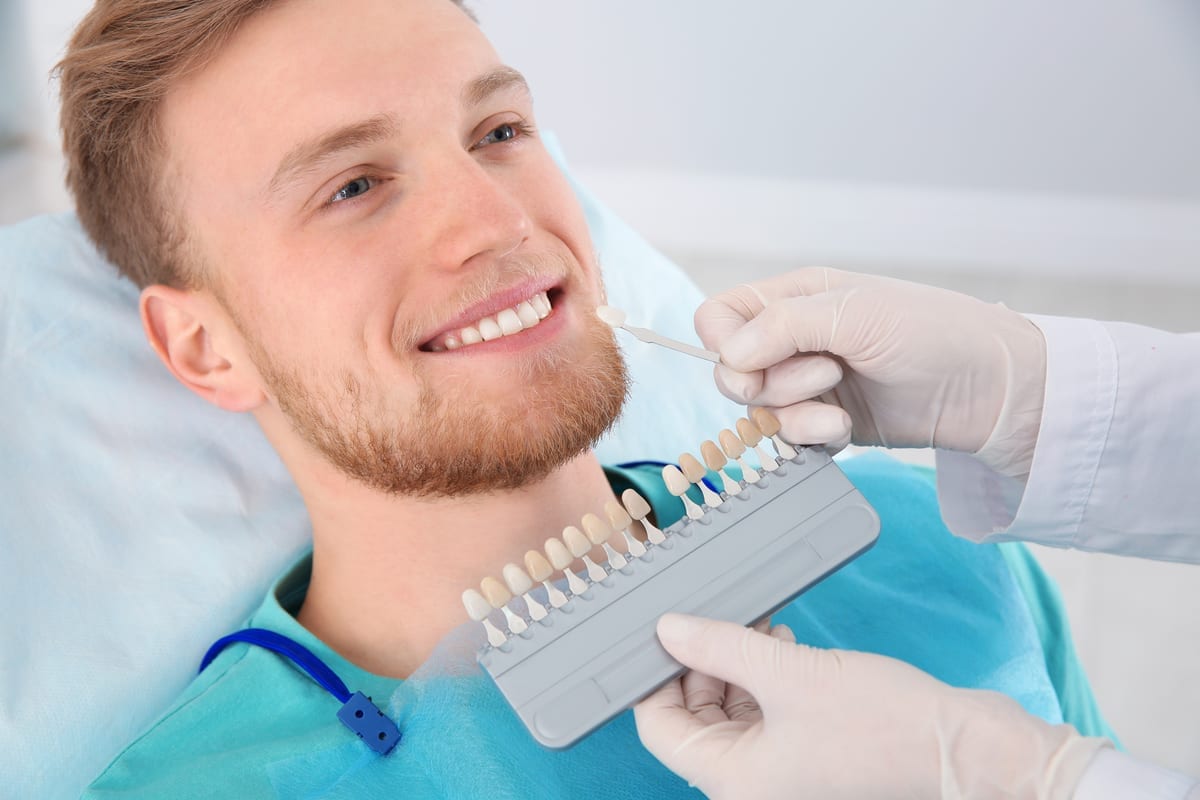
Porcelain closely mimics the light-reflecting properties of natural tooth enamel. It produces a luminous, highly realistic result that most patients prefer. Porcelain is also highly resistant to staining from coffee, tea, and red wine.
Composite resin has a slightly less translucent appearance. Skilled dentists can still achieve beautiful, natural-looking results with this material. However, composite may gradually pick up stains over time without proper maintenance.
For patients seeking a dramatic cosmetic transformation, porcelain often delivers superior aesthetics. For minor corrections or touch-ups, composite resin can look completely natural. Dr. Andrews evaluates each patient’s unique goals before recommending a material.
- Porcelain reflects light like natural enamel
- Composite resin can be color-matched precisely chair-side
- Porcelain resists discoloration better over time
- Composite allows artistic, in-office adjustments during placement
- Both options can dramatically improve smile symmetry and brightness
Cost Differences and What Brooklyn Patients Should Know
Cost is a practical consideration for most patients. Porcelain veneers typically cost more per tooth than composite resin. The laboratory fabrication process adds to the overall investment.
Composite veneers are generally more budget-friendly upfront. However, they may need replacing or repairing sooner than porcelain. Over a 10-year period, the total cost of both options can become comparable.
Think of it as a long-term investment in your smile and confidence. Porcelain may cost more initially but requires fewer replacements. Composite offers lower entry cost with more frequent maintenance needs.
Repairability and Reversibility: An Important Distinction
One major advantage of composite veneers is easy repairability. If a chip or crack occurs, your dentist adds more resin chair-side in one visit. The fix is quick, affordable, and blends seamlessly with the existing material.
Porcelain veneers cannot be repaired once damaged. A cracked porcelain veneer must be fully replaced, which takes multiple visits. This is an important trade-off to consider before committing.
On the topic of reversibility, composite veneers are the more conservative option. Less enamel removal is required during placement, preserving more natural tooth structure. Porcelain veneers require more enamel removal, making the process largely irreversible.
Maintaining strong Preventive Dentistry routines supports the lifespan of either veneer type. Brushing, flossing, and routine cleanings protect both the veneers and surrounding teeth. Ask Dr. Andrews what daily habits work best for your specific veneer material.
Which Veneer Is Right for You in Brooklyn?
The best choice depends entirely on your goals, budget, and lifestyle. Porcelain suits patients who want long-lasting, highly aesthetic results and are prepared for the commitment. Composite works well for patients wanting a faster, more flexible, and reversible option.
Dr. Chloe Andrews takes time to understand each patient’s smile goals during a personalized consultation. She examines your teeth, reviews your oral health history, and discusses what matters most to you. There is no one-size-fits-all answer when it comes to veneers.
Brooklyn patients at Signature Smile receive honest, patient-focused guidance every step of the way. The goal is always to help you make the most informed decision for your smile. You deserve a result you’ll love for years to come.
Ready to explore your veneer options with a trusted Brooklyn dentist? Book Now to schedule your appointment with our team.
Frequently Asked Questions
How long do porcelain veneers last compared to composite veneers?
Porcelain veneers typically last 10 to 20 years with proper care. Composite resin veneers generally last 5 to 7 years before needing replacement or touch-ups. Your lifestyle habits significantly influence the longevity of either option.
Can composite veneers be repaired if they chip?
Yes, composite veneers are easy to repair chair-side in a single visit. Your dentist simply adds and sculpts more resin to restore the shape. This makes composite a practical choice for patients who want a low-maintenance repair option.
Do porcelain veneers stain over time?
Porcelain veneers are highly resistant to staining from foods and beverages like coffee and wine. The ceramic glaze creates a smooth, non-porous surface that repels most discoloration. Composite resin is more susceptible to surface staining without diligent oral hygiene.
Is the porcelain veneer procedure more invasive than composite?
Yes, porcelain veneers require removing a thin layer of enamel to ensure a proper fit. This makes the process largely irreversible since natural enamel does not grow back. Composite veneers require minimal enamel removal, making them the more conservative option.
How do I know which veneer type is right for me in Brooklyn?
A consultation with Dr. Chloe Andrews at Signature Smile is the best place to start. She evaluates your oral health, aesthetic goals, and budget to recommend the most suitable option. Every patient’s smile is unique, and personalized guidance makes all the difference.