
If you’ve ever wondered exactly how Invisalign straightens teeth, you’re not alone. Many Brooklyn patients ask Dr. Chloe Andrews the same question before starting treatment. Understanding the step-by-step science behind your smile in Brooklyn helps you feel confident and prepared. This guide breaks down every stage — from your first scan to your final retainer — in plain, honest language.
How Invisalign Actually Moves Your Teeth
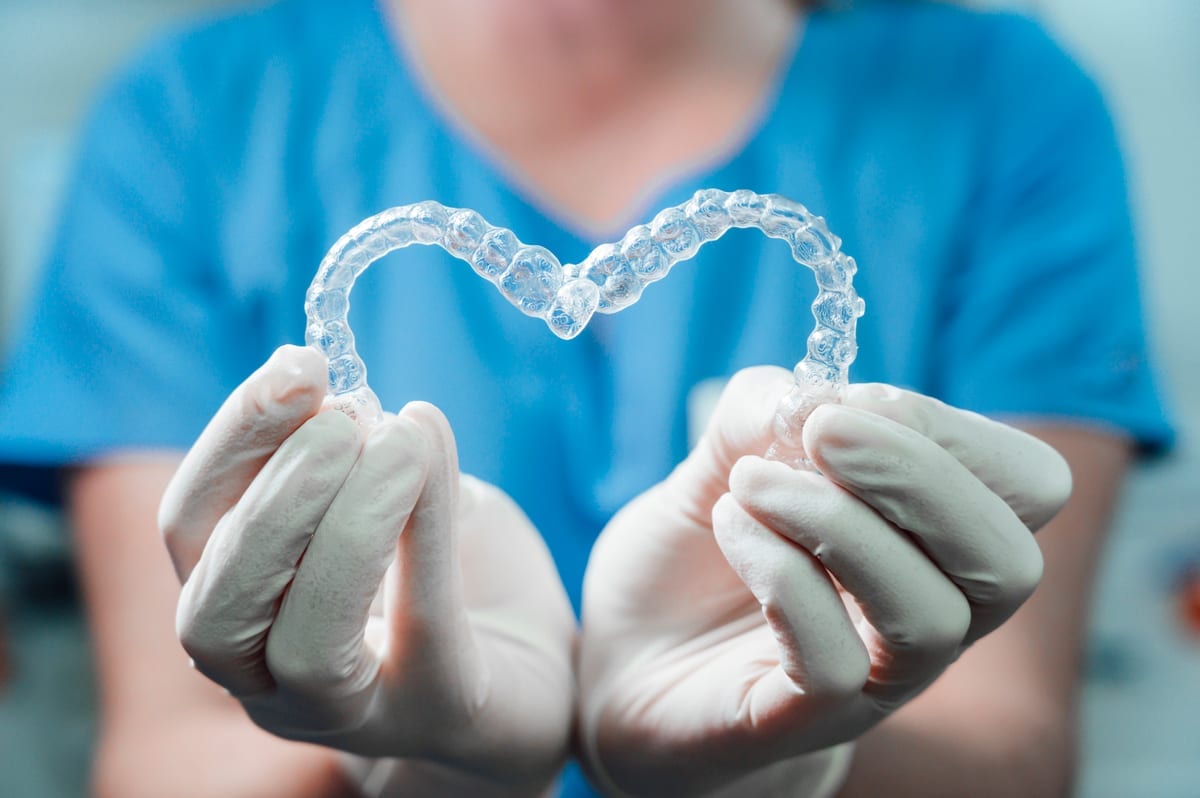
Invisalign works through a principle called controlled force application. Each aligner is custom-made to apply gentle, precise pressure to specific teeth. That pressure encourages the bone around each tooth root to remodel over time. New bone fills in behind the moving tooth, locking it into its new position.
Unlike traditional braces, Invisalign delivers this force in small, calculated increments. Each aligner typically moves teeth by about 0.25 millimeters. That might sound tiny, but those small shifts add up to dramatic changes over a full treatment plan. The process is gradual by design — it protects the health of your roots and gums.
Your treatment begins with a digital scan of your teeth. Dr. Andrews uses that scan to map out a precise tooth-movement plan using Invisalign’s ClinCheck software. You can even preview your projected final smile before you start. That planning stage is the foundation of everything that follows.
The Aligner Change Schedule Explained
Most patients change their aligners every one to two weeks. Your specific schedule depends on your treatment complexity and Dr. Andrews’ recommendations. Each new aligner represents the next small step in your movement plan. Wearing them in the correct order is essential — skipping ahead won’t speed things up safely.
You must wear each aligner for 20 to 22 hours per day. Removing them only to eat, drink anything other than water, and brush your teeth keeps treatment on track. Falling short of that wear time slows your progress significantly. Consistency is the single most important factor in a successful outcome.
Here is what a typical aligner change week looks like:
- Days 1–3: Mild pressure or tightness as teeth begin shifting
- Days 4–7: Aligner feels more comfortable as teeth settle
- Days 8–14: Aligner fits loosely, signaling teeth have moved
- Switch day: New aligner inserted, cycle begins again
Patients in Brooklyn often tell Dr. Andrews that the first day after a switch feels the most noticeable. That sensation confirms the aligner is doing its job. Over-the-counter pain relievers and cold water usually ease any discomfort quickly.
What Are Invisalign Attachments and Why Do You Need Them?
Attachments are small, tooth-colored bumps bonded directly onto certain teeth. They act like handles that give the aligner extra grip. Without them, aligners can only push teeth in simple directions. Attachments allow for rotations, extrusions, and other complex movements.
Not every patient needs attachments. Simpler cases may involve none at all. More complex tooth movements typically require them on several teeth. Dr. Andrews places them painlessly during one of your early appointments using a tooth-colored composite material.
Here are the most common reasons attachments are used:
- Rotating a tooth that is twisted out of alignment
- Pulling a tooth down or pushing one up vertically
- Tilting a molar into a better position
- Anchoring nearby teeth while others move
Attachments are barely visible in everyday life. Most people only notice them up close. They are removed at the end of treatment, leaving your teeth smooth and clean.
Understanding Refinements: When Your Plan Gets Updated
Refinements are additional aligner sets created after your main series ends. They fine-tune any teeth that didn’t move exactly as planned. This is a completely normal and expected part of Invisalign treatment. It doesn’t mean anything went wrong — biology simply varies from person to person.
Teeth and bone respond differently in every patient. Factors like wear time, genetics, and jaw habits can all influence final results. Refinements allow Dr. Andrews to correct small discrepancies and get your smile exactly right. Think of them as the finishing touches on a detailed piece of work.
Refinements begin with a new scan of your current tooth positions. Invisalign generates a fresh set of aligners based on that updated data. Some patients need just one round of refinements. Others may go through two or more, depending on their goals.
Invisalign is just one part of the broader Cosmetic Dentistry Brooklyn services available at Signature Smile. After completing Invisalign, many patients combine their new alignment with whitening or veneers for a complete smile transformation. It’s worth discussing your full smile goals with Dr. Andrews during your consultation.
Life During Invisalign Treatment in Brooklyn
Daily life with Invisalign is more manageable than most patients expect. You remove the aligners before every meal, so there are no food restrictions. Brushing and flossing remain straightforward without brackets or wires in the way. Oral hygiene is actually easier to maintain than with traditional braces.
Keeping your aligners clean is simple but important. Rinse them with lukewarm water every time you remove them. Use a soft toothbrush and mild soap — never hot water, which can warp the plastic. Storing them in their case prevents loss and keeps them hygienic.
Some patients need a small refinement to their speech during the first few days. A slight lisp can occur when your mouth adjusts to the new trays. Most people adapt within three to five days. Reading aloud at home speeds up the process considerably.
If you ever experience a dental emergency during treatment — such as a broken tooth or severe pain — Signature Smile also offers Emergency Dentistry Brooklyn services. You don’t need to pause your Invisalign journey for unexpected dental needs. Dr. Andrews and the team are equipped to handle both planned and urgent care.
What Happens After Your Final Aligner
Finishing your final aligner is an exciting milestone. However, treatment doesn’t end there. Retainers are a critical next step that most patients underestimate. Without retention, teeth naturally drift back toward their original positions.
Dr. Andrews will fit you with a custom retainer at the end of treatment. Most patients wear it full-time for the first few months, then nightly long-term. Consistency with your retainer protects every hour of work you invested during treatment. It is the final — and permanent — phase of your smile science journey.
Start Your Invisalign Journey at Signature Smile in Brooklyn
Understanding the science behind Invisalign makes the experience far less intimidating. From controlled tooth movement to aligner schedules, attachments, and refinements, every step has a clear purpose. Dr. Chloe Andrews and the team at Signature Smile General & Cosmetic Dentistry in Crown Heights, Brooklyn are here to guide you through each stage with care and expertise. Book Now to schedule your appointment with our team.
Frequently Asked Questions
How long does Invisalign treatment typically take in Brooklyn?
Treatment length varies based on the complexity of your case. Mild corrections may take as few as six months. More involved cases can take 18 months or longer. Dr. Andrews will give you a realistic timeline after reviewing your digital scan during your initial consultation.
Does changing aligners hurt?
Most patients experience mild pressure or tightness for one to three days after switching to a new aligner. This is completely normal and indicates the aligner is working. The sensation typically fades quickly. Over-the-counter pain relievers and cold water can provide relief if needed.
Can I eat and drink normally during Invisalign treatment?
Yes — that is one of Invisalign’s biggest advantages. You remove your aligners before eating and drinking anything other than plain water. There are no food restrictions at all. Just brush your teeth before reinserting the aligners to keep them clean and clear.
What are refinements and will I need them?
Refinements are supplementary aligner sets created after your main series to fine-tune your results. Not every patient needs them, but they are a normal and expected part of many treatment plans. They allow Dr. Andrews to make precise adjustments so your final smile is exactly right.
How do I keep my results after Invisalign finishes?
Wearing your retainer as directed is the key to lasting results. Dr. Andrews will provide a custom retainer once your final aligner is complete. Most patients wear it full-time initially and then shift to nightly wear long-term. Skipping retainer wear is the most common reason teeth drift back after treatment.