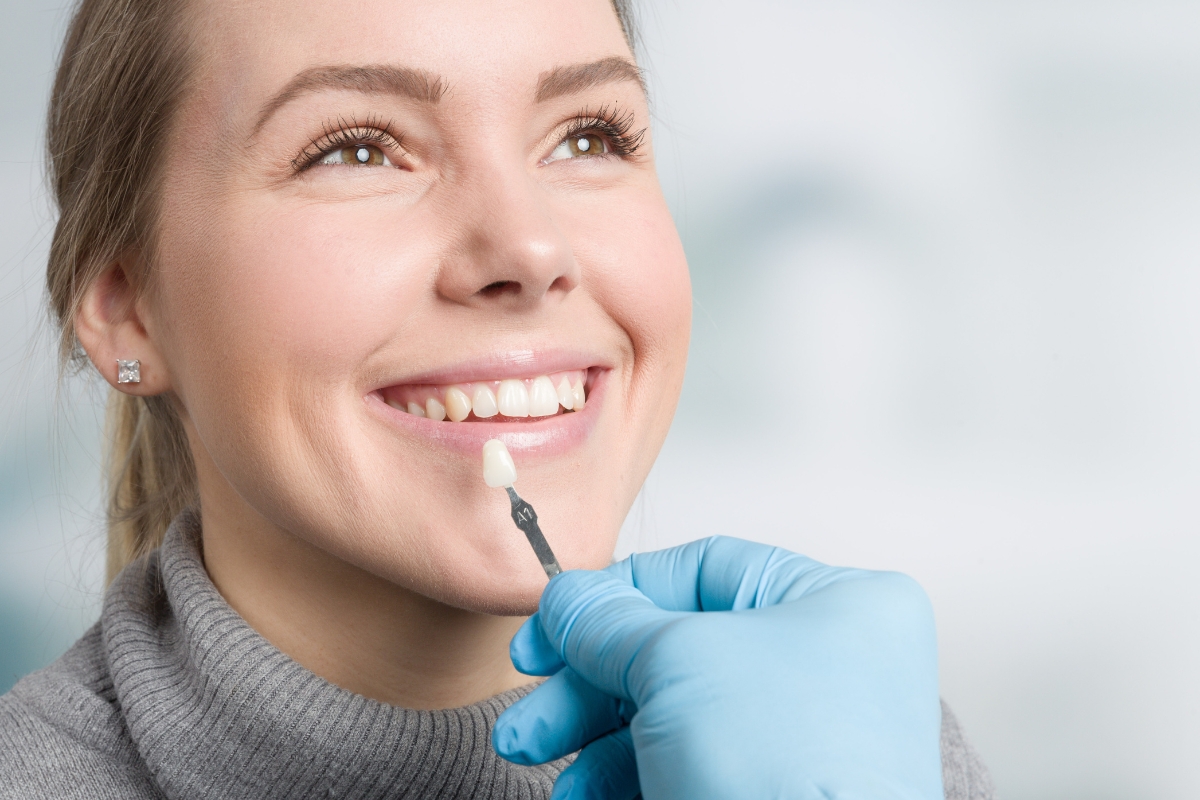
Veneers can be life-changing for some people, helping achieve that bright, confident smile. Thin porcelain shells that cover the front of the teeth quickly change your overall tooth appearance. Discoloration, chips, and gaps are just a few of the imperfections that veneers can mask. But if you want the best results, remember that for veneers to succeed, your gums must be healthy.
Although veneers are an aesthetic dentistry treatment, achieving a great-looking smile is possible, but the entire process requires healthy gums. Without proper gum health, your veneers may not fit as well or wear down faster than they should. A healthy foundation is key to ensuring the longevity and functionality of your veneers. In this blog, we look at how gum health affects your veneers and why treating your gums is necessary before treatment begins.
Why Is Gum Health Essential for Veneers?
Before starting treatment, a cosmetic dentist will evaluate your gum health. Healthy gums ensure your veneers look great and stay in place for years to come. Whenever there is an infection or inflammation in the gums, it can affect how veneers attach to your teeth. If there is a disease such as gingivitis or periodontitis, it may result in receding gums. It might be the reason for getting ones that are uneven or ill-fitting.
The health of your gums also affects how long your porcelain veneers in Brooklyn, NY, will last. If you have healthy gums, your teeth can be strong, and the veneers have something to adhere to for sustainability. On the other hand, if you have diseased gums, you could have some bone loss that might make your veneers loose or need replacement sooner than anticipated.
The Veneers Process: What to Expect?
When considering veneers, the course of treatment always begins with a consultation from a cosmetic dentist. At that time, a dentist will assess your gums, the condition of your teeth, and the general health of your mouth. Any gum problems should be treated first, as advised by your dentist.
Once your gums are healthy, the next step will be to prepare your teeth for veneers. The dentist reshapes the teeth and removes a thin layer of enamel to make room for the veneers. Impressions are taken afterward to create custom porcelain veneers that fit perfectly on your teeth. The veneers are then bonded to the teeth with a special adhesive.
At this stage, good gum health becomes even more critical. Healthy, infection-free gums will help your veneers stay in place, look natural, and feel comfortable. If your gums are healthy, your veneers are more likely to last for many years with proper care.
What if Gum Health is Ignored?
Failing to address gum health before veneers may lead to several problems. For instance, if the gums are not in a healthy condition, this might lead to gum recession after the veneers are placed. A recession will make the edges of veneers visible, creating gaps and discomfort.
Additionally, periodontal disease or gum disease may cause bleeding, pain, and irritation during the procedure. Not to mention that if gum disease were left untreated, there’s a possibility that you may experience tooth loss, which means veneers will no longer be applicable for you.
How Gum Disease Affects the Veneers Process?
Gum disease might then complicate the veneers process, especially if the disease has caused extensive damage to the gums and bone structure. A cosmetic dentist won’t continue with veneers until your gums are healthy. The reasoning is that it will help ensure the long-term success of your veneer treatment by treating the underlying disease first. After treating gum disease, your dentist will more than likely wait until your gums are healed before placing your veneers.
Treatment for gum disease generally involves deep cleaning, scaling, or root planing, depending on the extent of your condition. This procedure removes plaque and tartar that may cause gum infections and irritation, enabling the gums to heal and, in turn, offer better support for your veneers.
Veneers Aftercare: How to Keep Your Gums and Veneers Healthy?
After your veneers are placed, it’s vital to take care of both your teeth and gums. Brushing and flossing regularly, with special attention to the gumline, where plaque and bacteria tend to accumulate, is essential. Based on your cosmetic dentist’s instructions, you can follow some specific ways to help your veneers stay in excellent condition. Similarly, regular dental check-ups and cleanings will be necessary to maintain the health of your gums and avoid complications.
By properly caring for your veneers, you can create a beautiful smile for many years to come. It’s just important to remember it all starts with the gums. If you are considering veneers, it’s essential to prioritize gum health to achieve the very best results.
Achieve Lasting Results with Healthy Gums
Healthy gums are a critical foundation in attaining seamless, long-lasting veneers. Without healthy, disease-free gums, your veneers just won’t perform as well, and the results won’t be as durable. By addressing any gum issues before the veneers process and maintaining good oral hygiene afterward, you will help ensure your smile stays bright and beautiful for a long time.
Looking for the best veneers in Brooklyn? Visit Signature Smile General & Cosmetic Dentistry to start your journey toward a healthier, more confident smile. Our cosmetic dentists are here to guide you through the process and ensure your veneers fit perfectly, delivering the best possible results. Contact us today to schedule your consultation and learn more about how healthy gums can give you a flawless smile.
FAQs
- What are veneers, and how do they work?
Veneers are thin shells of porcelain that are placed on the front of your teeth to improve their appearance. They can correct imperfections like chips, stains, and gaps, giving you a natural-looking smile. - Are veneers permanent?
Veneers are designed to be long-lasting, but they are not permanent. With proper care, they can last for many years. However, they may need to be replaced after a decade or so. - What happens if my gums are not healthy before getting veneers?
If your gums are not healthy, the veneers may not fit well or could cause discomfort. Gum disease can also lead to complications such as gum recession or tooth loss, which can affect the longevity of the veneers. - Can veneers be done if I have gum disease?
It is best to treat any gum disease before proceeding with veneers. A cosmetic dentist will ensure your gums are healthy and stable before starting the veneers process. - How can I maintain healthy gums after getting veneers?
To maintain healthy gums after getting veneers, brush and floss regularly, and visit your dentist for routine check-ups and cleanings. Good oral hygiene and regular dental visits will keep your gums healthy and your veneers intact.