
If you live in Park Slope and have recently completed gum disease treatment, you are probably wondering one thing: does gum disease treatment actually last, or will it keep coming back? It is a fair question — and an important one. Gum disease is one of the most common oral health conditions in adults. Knowing what to expect after treatment helps you protect your smile for years to come. The short answer is yes, treatment can last — but only with the right follow-up care.
Understanding How Gum Disease Treatment Works
Gum disease, or periodontal disease, develops when bacteria build up below the gumline. This causes inflammation, bone loss, and eventually tooth loss if left untreated. The most common professional treatment is scaling and root planing. This is a deep cleaning procedure that removes tartar and bacteria from beneath the gums.
Dr. Inna Trogan at Signature Smile General & Cosmetic Dentistry in Brooklyn Heights uses this treatment to stop the disease process. Once bacteria are removed and gum tissue is cleaned, healing can begin. The gums reattach to the teeth over the following weeks. However, the bacteria that caused the disease are still present in your mouth — which is why maintenance matters so much.
Does Gum Disease Treatment Actually Last in Park Slope? What the Evidence Says
Research shows that scaling and root planing can produce lasting results. Studies find that patients who follow a consistent maintenance plan see significantly reduced pocket depths over five or more years. The disease does not have to return. However, gum disease is chronic by nature. Without ongoing care, the bacteria will recolonize and the inflammation will return.
Several factors influence how long your results last after treatment:
- Frequency of professional cleanings — Most treated patients need cleanings every three to four months
- Daily brushing and flossing habits — Removing plaque at home prevents bacterial buildup
- Tobacco use — Smoking dramatically increases the risk of recurrence
- Diabetes and systemic conditions — These can impair healing and increase inflammation
- Genetic predisposition — Some patients are simply more susceptible to gum disease
- Stress levels — Chronic stress weakens the immune response and worsens gum health
Park Slope patients who stay consistent with their care plan experience far better long-term outcomes. Those who skip maintenance appointments are much more likely to see the disease return within one to two years.
What Shortens the Lifespan of Gum Disease Treatment
Understanding the risk factors helps you avoid the mistakes that lead to recurrence. One of the biggest issues is skipping periodontal maintenance visits. After treatment, your gums are more vulnerable. Standard twice-yearly cleanings are often not enough. Your dentist may recommend more frequent visits to stay ahead of bacterial growth.
Poor at-home hygiene is another major factor. Brushing twice daily and flossing once daily removes the plaque that hardens into tartar. Once tartar forms, only a professional can remove it. Electric toothbrushes and water flossers can also improve cleaning around the gumline.
Tobacco use deserves special attention. Smoking reduces blood flow to the gums. This slows healing and masks signs of active disease. Patients who quit tobacco after treatment tend to have dramatically better outcomes. If you need support quitting, your care team can point you to local resources in Brooklyn.
Medications that cause dry mouth can also increase risk. Saliva naturally fights bacteria. Less saliva means more bacterial growth. Let Dr. Trogan know about any medications you take so she can adjust your care plan accordingly.
What Ongoing Maintenance Looks Like After Treatment
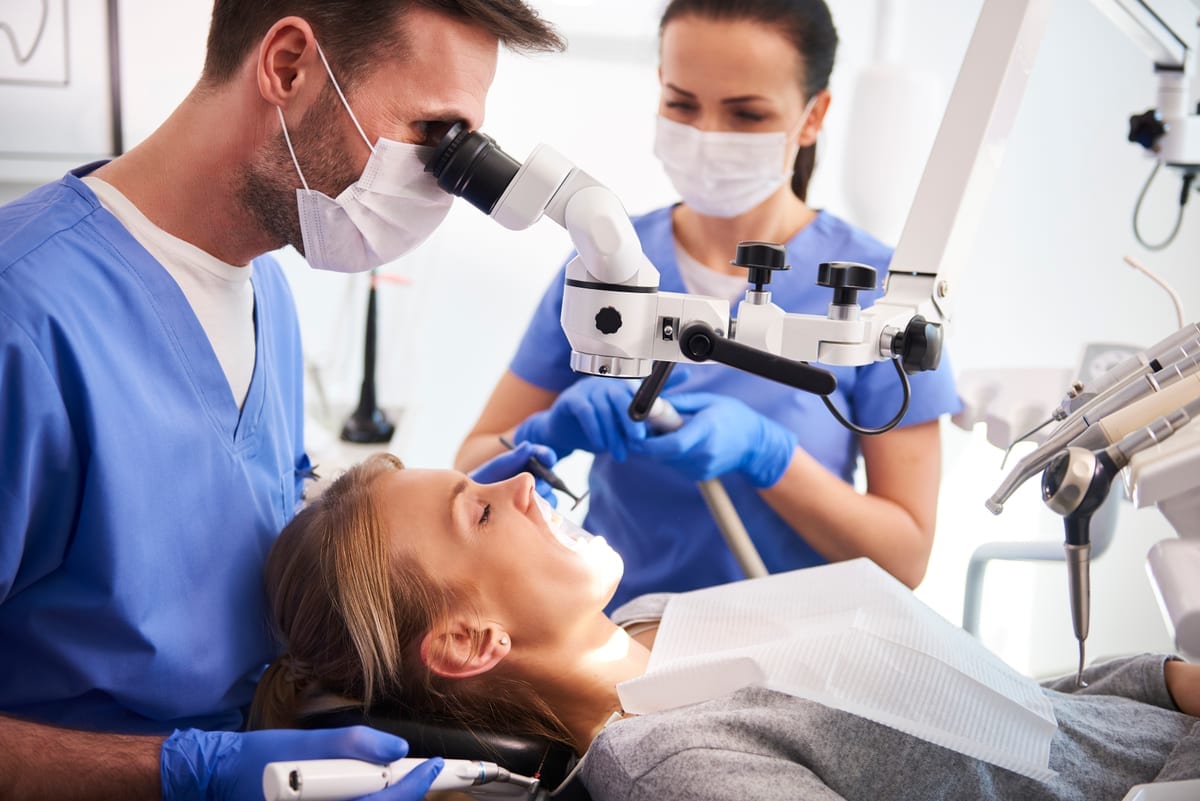
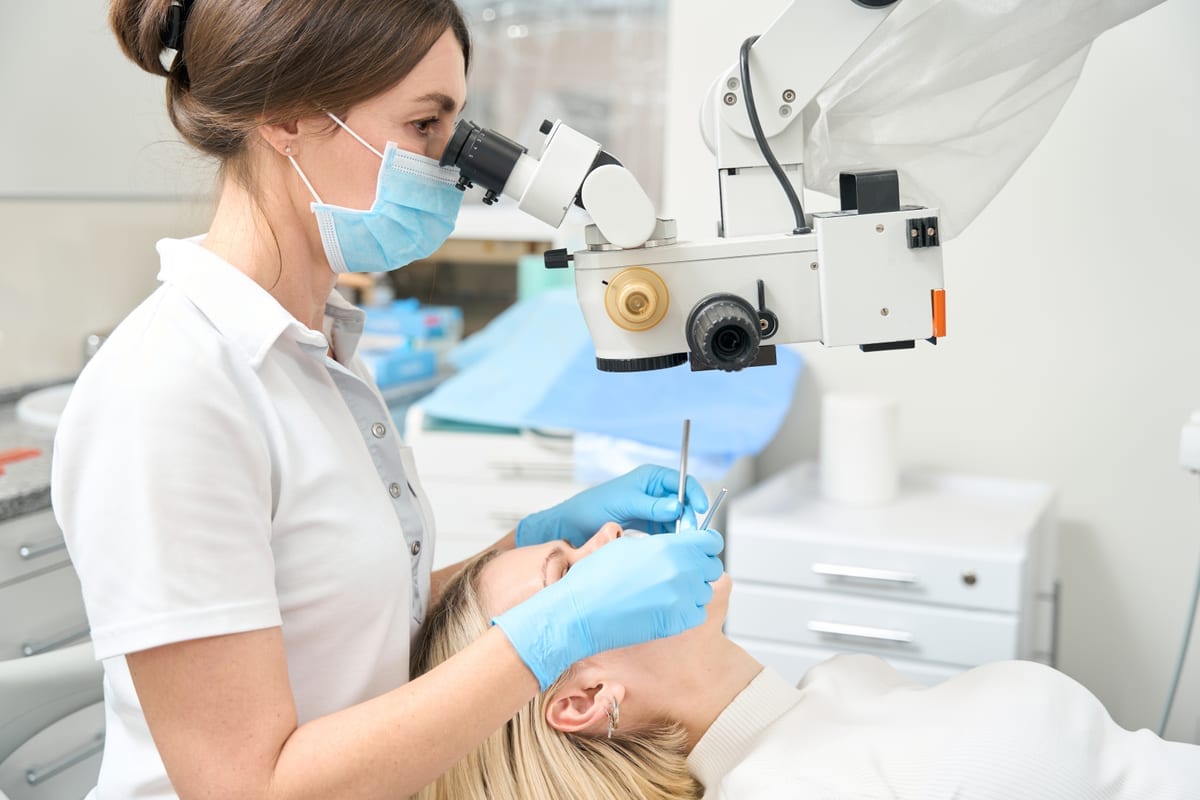
Periodontal maintenance is different from a standard cleaning. Your hygienist cleans below the gumline where bacteria continue to live. They also measure pocket depths at each visit to track any changes. Early detection of new inflammation allows for prompt treatment before the disease progresses.
A typical maintenance schedule for Park Slope patients looks like this:
- First year post-treatment — Visits every three months to monitor healing closely
- Stable phase — Visits every three to four months ongoing, depending on individual risk
- Annual comprehensive exam — A full assessment of bone levels, pocket depths, and overall gum health
- Bite-wing X-rays — Taken periodically to detect bone changes not visible to the eye
At Signature Smile, Dr. Trogan tailors each maintenance plan to the individual patient. Some patients do very well with four visits per year. Others may need more frequent monitoring. The goal is always to keep the disease stable and prevent any further damage to bone and tissue.
If you ever experience a dental emergency related to your gum health, such as sudden swelling or pain, seek Emergency Dental Care right away. Prompt attention prevents small problems from becoming serious ones.
Protecting and Improving Your Smile After Gum Disease Treatment
Once your gum disease is stable, you may be interested in improving the appearance of your teeth. Many patients in Park Slope pursue Cosmetic Dentistry options after their gum health is under control. Whitening, veneers, and Invisalign are all more predictable when the foundation of your smile is healthy.
Healthy gums also support dental implants and crowns more reliably. Treating gum disease first ensures that any restorative or cosmetic work lasts as long as possible. Dr. Trogan always assesses periodontal health before recommending any additional treatment.
A few simple habits protect your long-term results:
- Use a soft-bristled toothbrush and replace it every three months
- Floss or use an interdental cleaner every single day
- Rinse with an antimicrobial mouthwash if your dentist recommends it
- Stay hydrated to support saliva production
- Eat a diet rich in vitamins C and D to support gum tissue health
- Attend every scheduled periodontal maintenance visit without delay
Small, consistent efforts make the biggest difference over time. Gum disease does not have to define your dental health for life. With proper care, most patients keep the disease well under control for many years.
The Bottom Line for Park Slope Patients
So does gum disease treatment actually last, or will it keep coming back in Park Slope? The answer depends almost entirely on what happens after the initial treatment. The procedure itself is highly effective at removing bacteria and stopping active disease. What determines long-term success is your commitment to maintenance — both at home and in the dental chair.
Dr. Inna Trogan and the team at Signature Smile General & Cosmetic Dentistry are here to support you every step of the way. Whether you are just beginning treatment or managing a long-standing condition, you deserve a care plan that works for your life and your goals. Book Now to schedule your appointment with our team.
Frequently Asked Questions
Can gum disease come back after treatment?
Yes, gum disease can return if you do not maintain regular professional cleanings and good at-home hygiene. The bacteria that cause the disease remain in your mouth after treatment. Consistent care keeps them from causing new damage.
How often should I see a dentist after gum disease treatment?
Most patients need periodontal maintenance visits every three to four months, especially in the first year after treatment. Your dentist will adjust this schedule based on how well your gums respond and your individual risk factors.
Is scaling and root planing a permanent solution?
Scaling and root planing removes the bacterial deposits causing disease, but it is not a permanent cure. Gum disease is a chronic condition. Long-term success depends on ongoing maintenance and daily oral care habits at home.
What happens if I skip my periodontal maintenance appointments?
Skipping maintenance visits allows bacteria to build up below the gumline again. Pocket depths can increase and bone loss can resume. Most patients who skip visits see the disease return within one to two years after treatment.
Can I get cosmetic dental work done after gum disease treatment?
Yes, once your gum disease is stable and well-controlled, cosmetic treatments like whitening, veneers, and Invisalign become appropriate options. Healthy gums provide the foundation needed for cosmetic work to look great and last long-term.