
If you live in Kensington and you’ve been told you have gum disease, it’s completely normal to feel uncertain. Most patients come in with a list of worries — and that’s a good thing. Dr. Chloe Andrews at Signature Smile General & Cosmetic Dentistry in Crown Heights welcomes every question you bring. These are the 5 gum disease questions your dentist expects you to ask in Kensington — answered honestly and clearly.
1. What Exactly Is Gum Disease and How Serious Is It?
Gum disease, also called periodontal disease, is an infection of the tissues surrounding your teeth. It begins as gingivitis — mild inflammation caused by plaque buildup along the gumline. If left untreated, it can advance to periodontitis, a more serious stage that damages bone and tissue.
Many Kensington patients are surprised to learn how common it is. In fact, nearly half of adults over 30 show signs of some form of gum disease. The good news is that early-stage gum disease is very treatable.
- Gingivitis causes red, swollen, or bleeding gums
- Periodontitis can lead to tooth loosening or loss
- Both stages respond well to professional treatment
- Early action makes a significant difference in outcomes
2. How Do I Know If I Actually Have Gum Disease?
This is one of the most common questions patients ask — and a very smart one. Gum disease often has no pain in its early stages. That’s exactly why regular check-ups matter so much for Kensington residents.
Some warning signs you should never ignore include:
- Gums that bleed when you brush or floss
- Persistent bad breath that doesn’t improve with brushing
- Gums that look red, puffy, or pull away from teeth
- Teeth that feel loose or have shifted position
- Sensitivity near the gumline when eating or drinking
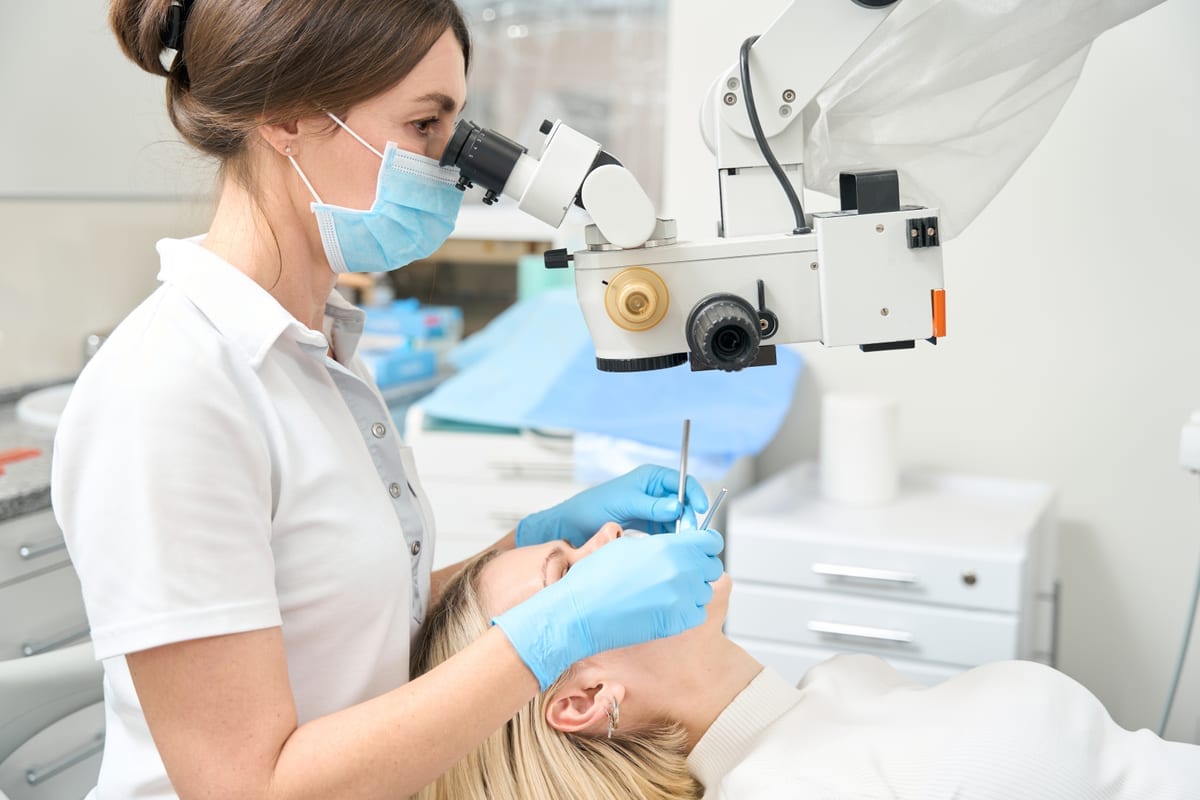
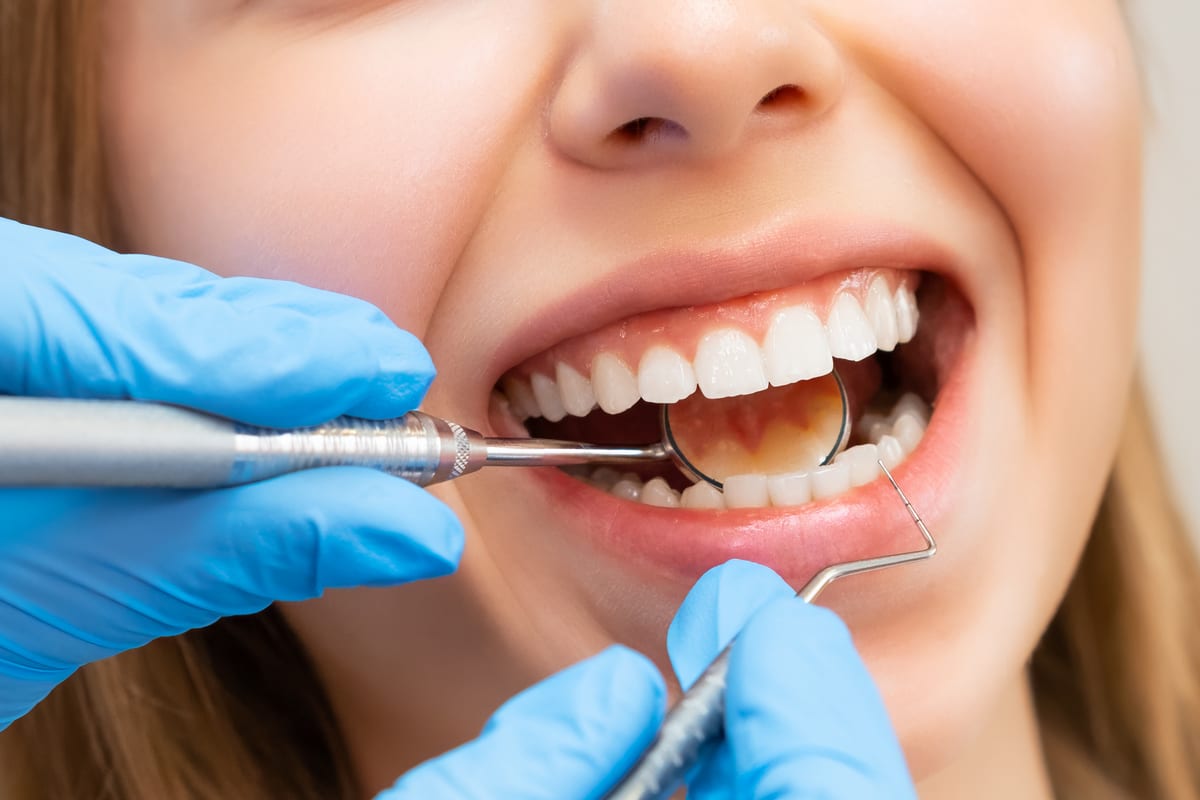
Dr. Andrews uses gentle probing and digital X-rays to measure gum pocket depth. This gives a precise, accurate picture of your gum health. You won’t have to guess — you’ll know exactly where you stand.
3. What Does Gum Disease Treatment Actually Involve?
Patients from Kensington often expect treatment to be intense or painful. In most cases, it isn’t. The most common first treatment is a deep cleaning called scaling and root planing.
Here’s what that process typically looks like:
- Dr. Andrews numbs the area for your comfort
- Plaque and tartar are carefully removed below the gumline
- Tooth roots are smoothed to discourage future bacterial buildup
- A follow-up visit confirms that your gums are healing properly
More advanced cases may require additional treatments or referrals. Dr. Andrews will walk you through every option before any procedure begins. You’ll never be surprised by what comes next.
4. Can Gum Disease Come Back After Treatment?
Yes — and this is an honest answer that many patients appreciate. Gum disease can return if daily home care isn’t maintained. Bacteria naturally re-colonize around teeth without consistent brushing and flossing.
That said, most patients in Kensington who follow their maintenance schedule do extremely well. Your dentist will likely recommend more frequent cleanings — typically every three to four months. These are called periodontal maintenance visits, and they’re different from a standard cleaning.
Think of it like managing any chronic health condition. With the right habits and professional support, you stay ahead of the disease. Dr. Andrews provides clear, personalized guidance to help every patient maintain results long-term.
5. Will Treating Gum Disease Affect the Look of My Smile?
This question comes up often — and it deserves a thorough answer. Treating gum disease is primarily about protecting your health. However, some patients do notice changes in their smile as treatment progresses.
When swollen gums recede after healing, teeth can appear slightly longer. This is a sign of reduced inflammation, not damage. Most patients consider this a positive change once explained properly.
If cosmetic concerns do arise after treatment, there are options. Dr. Andrews can discuss Cosmetic Dentistry solutions to refresh your appearance after gum health is restored. Healthy gums are always the foundation of a beautiful smile. No cosmetic work lasts without healthy tissue supporting it.
When Should Kensington Patients Seek Emergency Gum Care?
Sometimes gum problems escalate quickly and need immediate attention. Severe swelling, throbbing pain, or a visible abscess near the gum are signs you shouldn’t wait on. These situations call for prompt professional evaluation.
At Signature Smile, Emergency Dentistry services are available to help Kensington patients when urgent dental issues arise. Dr. Andrews and the team are prepared to respond quickly and compassionately. Don’t hesitate to reach out if your symptoms feel severe or worsen suddenly.
Your Gum Health Is Worth Protecting
Gum disease is one of the most common dental conditions — but it’s also one of the most preventable and manageable. Asking the right questions is the first step toward better oral health. Dr. Chloe Andrews and the entire team at Signature Smile General & Cosmetic Dentistry are here to guide you through every concern.
Whether you’re just noticing symptoms or you’ve been living with gum disease for years, it’s never too late to take action. Kensington patients deserve honest answers and a compassionate care team. Book Now to schedule your appointment with our team.
Frequently Asked Questions
Is gum disease painful?
Early gum disease is often painless, which is why many patients don’t notice it until it has progressed. Bleeding gums, bad breath, or swollen tissue are common early signs. Regular dental exams help catch gum disease before it becomes painful or severe.
How long does gum disease treatment take?
Most patients complete an initial deep cleaning treatment over one to two appointments. After that, a series of follow-up visits monitors healing. The full process depends on the severity of the disease and how well your gums respond to treatment.
Can I treat gum disease at home?
Good home care — including twice-daily brushing and daily flossing — plays a critical role in managing gum disease. However, professional cleaning is essential to remove hardened tartar that home tools cannot reach. Home care supports professional treatment but cannot replace it.
Will gum disease affect my overall health?
Research has linked untreated gum disease to broader health concerns including heart disease and diabetes. Treating gum disease is not just about your teeth — it’s about your overall wellbeing. Dr. Andrews takes a whole-health approach to periodontal care.
How often should I come in if I have gum disease?
Most patients with gum disease are placed on a three- to four-month maintenance schedule rather than the standard twice-yearly cleaning. These more frequent visits help manage bacterial levels and prevent the disease from returning. Dr. Andrews will recommend the schedule that’s right for your individual needs.