
Most Park Slope residents brush and floss every day. Yet nearly half of adults still develop gum disease at some point in their lives. The reason often has nothing to do with laziness or poor habits. It has everything to do with what happens below your gumline — a hidden zone your toothbrush simply cannot reach. Understanding what lurks below your gumline in Park Slope is the first step toward stopping gum disease before it starts.
What Lives Below Your Gumline?
Your mouth contains hundreds of bacterial species at any given time. Most are harmless. Some, however, thrive in the warm, protected space between your teeth and gums. This narrow pocket is called the sulcus. It sits just below your gumline and is invisible to the naked eye.
Harmful bacteria settle here and form a sticky film called plaque. Over time, plaque hardens into tartar — a calcified deposit that no amount of brushing will remove. Tartar creates a rough surface where even more bacteria cling and multiply. Left unchecked, this bacterial community triggers an immune response in your gum tissue.
That immune response is gum disease. It begins as gingivitis — red, puffy, or bleeding gums. Without intervention, it progresses to periodontitis, which destroys the bone that holds your teeth in place. The process starts silently, which is why early action matters so much.
Why Park Slope Patients Underestimate Gum Disease Risk
Gum disease rarely hurts in its early stages. Many Park Slope patients feel completely fine while the disease quietly advances. This painless progression is what makes it so dangerous. By the time symptoms become obvious, significant damage may already have occurred.
Several everyday factors raise your risk without you realizing it:
- Stress — weakens your immune system’s ability to fight oral bacteria
- Dry mouth — reduces saliva, which naturally neutralizes acids and bacteria
- Diet high in sugar or starch — feeds harmful bacterial colonies
- Smoking or vaping — restricts blood flow and masks gum inflammation
- Hormonal changes — pregnancy, menopause, and puberty all increase gum sensitivity
- Certain medications — some drugs cause gum overgrowth or reduce saliva flow
Any of these factors can tip the balance between a healthy mouth and an infected one. Knowing your personal risk level helps you and your dentist build the right prevention plan.
How Professional Cleanings Stop Gum Disease Before It Starts
Preventive Dentistry is built on one foundational truth: removing bacteria before they cause damage is always better than treating disease after the fact. Professional dental cleanings do exactly that. They interrupt the cycle of bacterial buildup at the most critical stage.
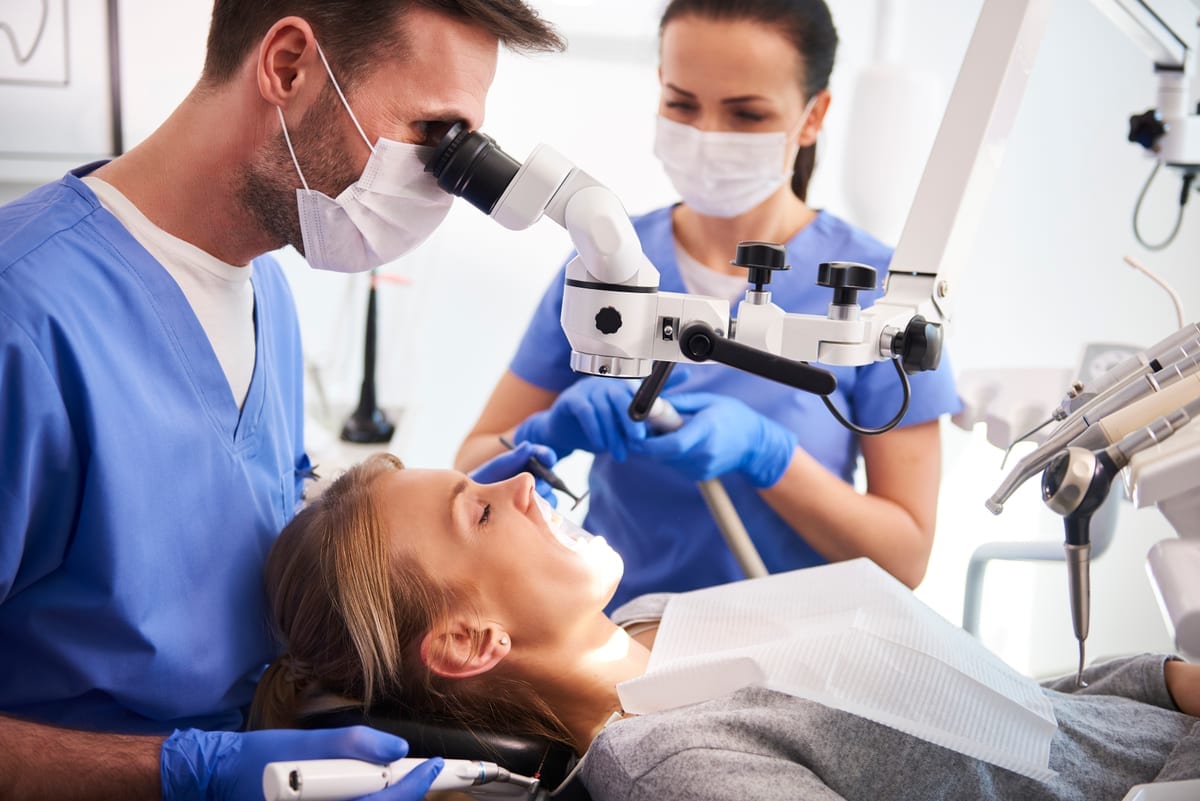
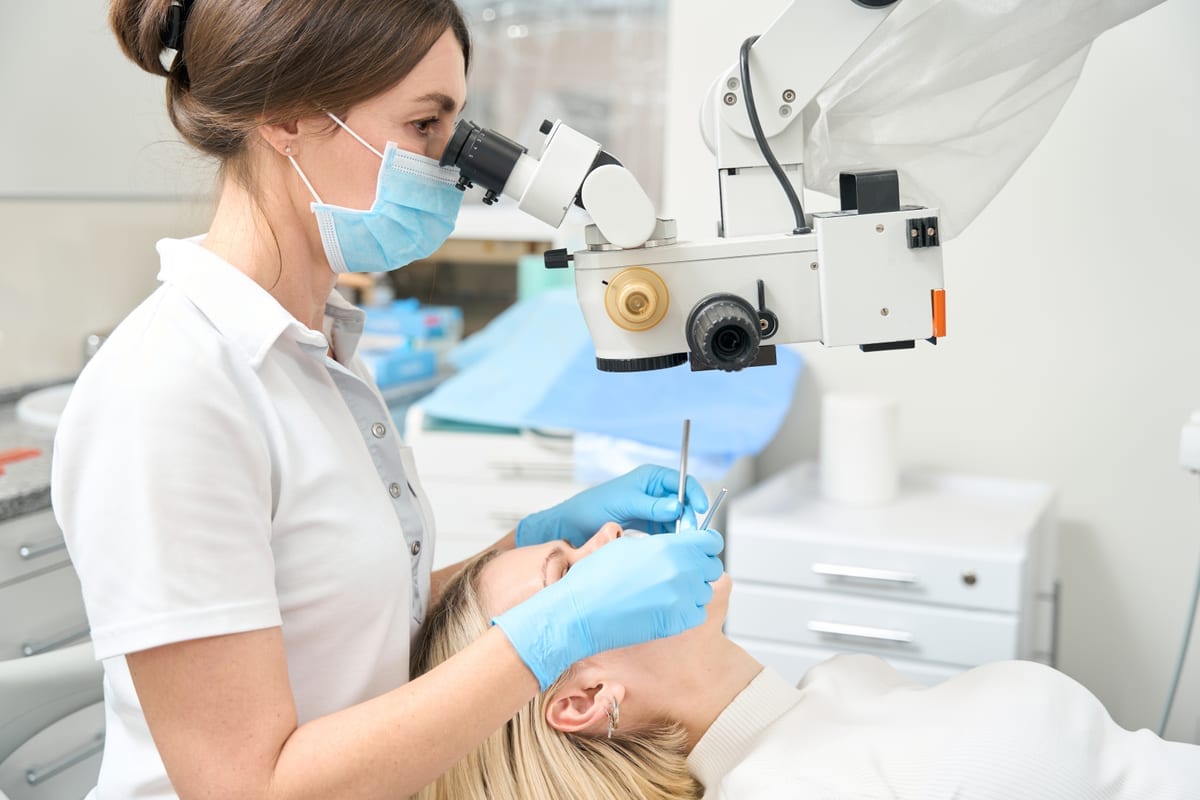
During a professional cleaning, a dental hygienist uses specialized tools to reach areas your toothbrush never touches. The process includes two distinct phases:
- Scaling — removing plaque and tartar from the tooth surface and below the gumline
- Root planing — smoothing the root surface so bacteria have fewer places to reattach
This mechanical disruption eliminates the bacterial colonies that trigger gum inflammation. Your immune system gets a reset. Your gum tissue can heal and reattach to a clean surface. Regular cleanings — typically every six months — keep this bacterial load manageable before it ever reaches a dangerous level.
Think of it like weeding a garden. Pull weeds early and they never take over. Wait too long and the roots run deep. The same principle applies to the bacteria hiding below your gumline.
What to Expect at Your Cleaning Appointment
Many patients feel anxious about dental visits. Understanding what actually happens during a cleaning can put your mind at ease. At Signature Smile General & Cosmetic Dentistry in Crown Heights, Dr. Chloe Andrews and her team prioritize your comfort at every step.
Here is what a typical cleaning appointment involves:
- Health history review — updating any changes to medications, conditions, or concerns
- Gum pocket measurements — a gentle probe checks the depth of spaces around each tooth
- Plaque and tartar removal — scaling clears buildup above and below the gumline
- Polishing — a gritty paste removes surface stains and smooths enamel
- Flossing and rinsing — final cleaning between teeth and along the gumline
- Oral exam — Dr. Andrews checks for early signs of gum disease, decay, or other concerns
The appointment typically takes 45 to 60 minutes. Most patients leave feeling refreshed and noticeably cleaner. If your hygienist detects deeper pockets or early gum disease, they will walk you through next steps clearly and without alarm.
Building a Gum Disease Prevention Routine at Home
Professional cleanings do the heavy lifting. But your daily habits determine how quickly bacteria rebuild between visits. The goal is to keep plaque levels low enough that your immune system stays calm.
Dr. Chloe Andrews recommends this daily routine for Park Slope patients concerned about gum health:
- Brush for two full minutes, twice a day, using a soft-bristled toothbrush
- Angle the bristles at 45 degrees toward the gumline to disrupt bacteria at the edge
- Floss once daily — gently slide the floss below the gumline on each tooth
- Use an antibacterial mouthwash if recommended by your dentist
- Stay hydrated — water helps flush bacteria and supports healthy saliva flow
- Eat a balanced diet low in added sugars
These steps will not replace professional cleanings. They will, however, make each cleaning more effective and give your gums a fighting chance between appointments. Consistency matters more than perfection.
Pairing strong home care with regular visits to a Preventive Dentistry practice is the most reliable way to protect your gum health long-term. This combination is what separates patients who develop gum disease from those who never do.
Take Action for Your Gum Health Today
Gum disease is not inevitable. It is largely preventable with the right knowledge and the right care team. Park Slope residents now know what lurks below the gumline — and they know how to stop it. The bacteria are there. The question is whether you give them time to cause damage.
Dr. Chloe Andrews and the team at Signature Smile General & Cosmetic Dentistry in Crown Heights are here to help you get ahead of gum disease before symptoms ever appear. Early action protects not just your gums but your overall health. Research continues to link gum disease to heart disease, diabetes, and other systemic conditions. Your mouth is connected to everything.
Do not wait for bleeding gums or sensitivity to tell you something is wrong. Schedule your professional cleaning and take control of your gum health now. Book Now to schedule your appointment with our team.
Frequently Asked Questions
How often should I get a professional dental cleaning to prevent gum disease?
Most patients benefit from a professional cleaning every six months. However, if you have a history of gum disease or other risk factors, Dr. Chloe Andrews may recommend cleanings every three to four months. Your hygienist will assess your gum pocket depths at each visit and adjust your schedule accordingly.
Can gum disease go away on its own without treatment?
Gingivitis — the earliest stage of gum disease — can reverse with improved home care and a professional cleaning. More advanced gum disease, called periodontitis, cannot reverse on its own. It requires professional treatment to stop progression. Early intervention is always the best approach.
What does it feel like when bacteria build up below the gumline?
In the early stages, most people feel nothing at all. Some may notice mild bleeding when brushing or flossing, slight puffiness, or a persistent bad taste. These subtle signs are easy to dismiss, which is why regular dental exams are so important for catching problems before they escalate.
Is gum disease connected to other health problems?
Yes. Researchers have found strong links between gum disease and systemic conditions including heart disease, type 2 diabetes, respiratory infections, and adverse pregnancy outcomes. Treating and preventing gum disease supports your overall health — not just your smile. This is one reason preventive dental care is considered essential, not optional.
What makes tartar different from plaque, and why can I not remove it at home?
Plaque is a soft, sticky film of bacteria that forms daily on your teeth. You can remove plaque with proper brushing and flossing. When plaque is not removed consistently, it absorbs minerals from your saliva and hardens into tartar — also called calculus. Tartar bonds firmly to tooth surfaces and can only be removed with professional dental instruments. No toothbrush or floss can break it down.