
If you live or work in Financial District, NY, you may be weighing whether dental implants are worth the cost. One of the most common questions Dr. Inna Trogan hears is simple: dental implants last how long? The short answer is that implants can last 20 years — and often a lifetime. Understanding what drives that longevity helps you protect your investment from day one.
How Long Do Dental Implants Really Last in Financial District?
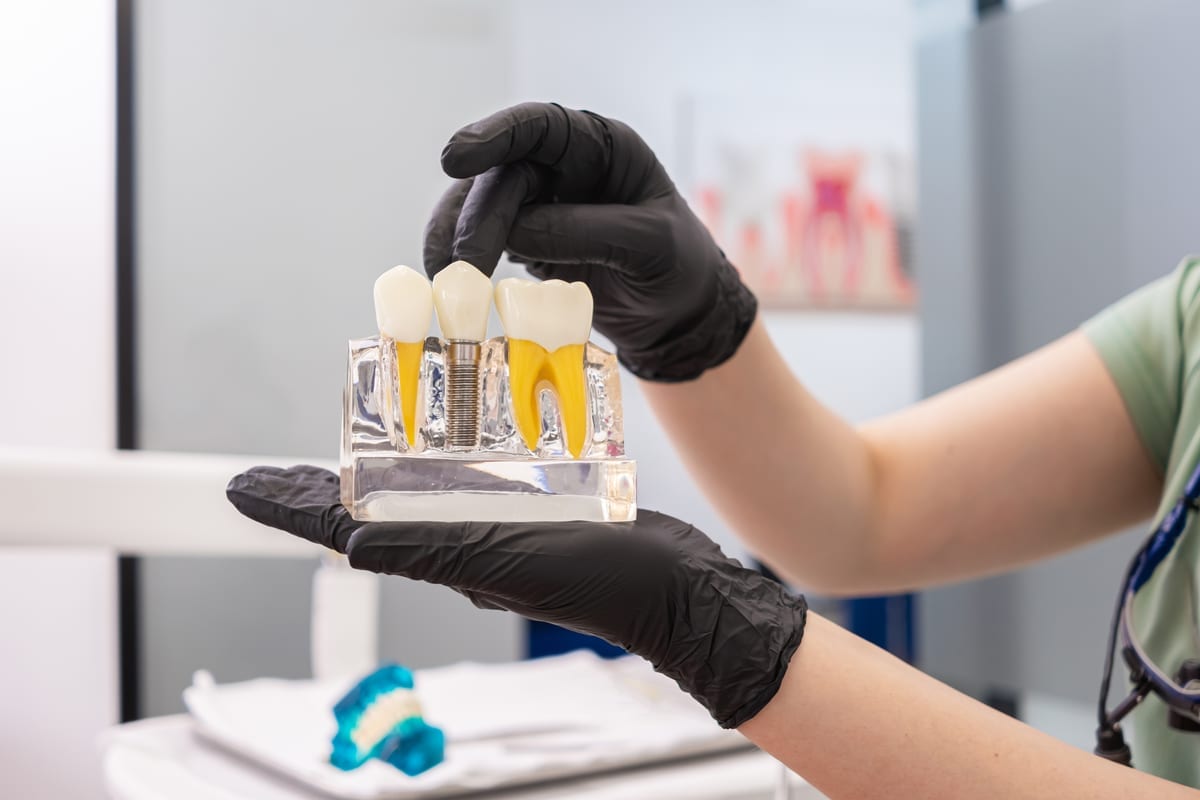
Most dental implants are designed to be a permanent solution. Clinical studies show that titanium implant posts can remain stable for 20 to 30 years. Many patients keep their implants for an entire lifetime with no structural failure.
The implant crown — the visible tooth on top — typically lasts 10 to 15 years. Crowns experience daily wear from chewing and grinding. They may eventually need replacement, but the implant post beneath often stays intact.
This distinction matters when you think about long-term cost. You may replace the crown once or twice in your life. The post, however, rarely needs intervention. That is what makes implants such a strong 20-year investment for Financial District patients.
Key Factors That Shorten Implant Lifespan
Not every implant lasts decades. Several factors can compromise the post before it fully integrates with your jawbone. Knowing these risks helps you act early.
The biggest threat is peri-implantitis — a gum infection around the implant. It works like gum disease, destroying the bone that holds the implant in place. Left untreated, it causes implant failure.
Other factors that shorten lifespan include:
- Smoking or tobacco use, which slows healing and weakens bone
- Uncontrolled diabetes, which impairs tissue and bone recovery
- Teeth grinding (bruxism) that places excessive force on the crown
- Poor oral hygiene that allows bacteria to accumulate
- Skipping routine dental checkups and cleanings
Each of these is largely manageable. Dr. Trogan evaluates all of these risk factors before placing an implant. Early intervention dramatically improves your long-term outcome.
What Helps Dental Implants Last a Lifetime?
The good news is that most longevity factors are within your control. Patients who follow a consistent care routine see significantly better outcomes over 20 years.
Daily brushing and flossing remain your first line of defense. Use a soft-bristled brush and non-abrasive toothpaste. Floss gently around the implant crown to remove plaque at the gumline.
Here are the most effective habits for long-term implant success:
- Brush twice daily using proper technique around the implant
- Floss daily or use a water flosser designed for implants
- Attend professional cleanings every six months without fail
- Wear a night guard if you grind your teeth during sleep
- Avoid chewing hard objects like ice, pens, or hard candy
- Quit smoking to support healthy bone and gum tissue
Consistent Preventive Dentistry care is one of the most powerful tools in your implant toolkit. Regular checkups let Dr. Trogan spot early signs of bone loss or infection before they escalate.
The Role of Bone Health in Implant Longevity
Dental implants fuse directly with your jawbone through a process called osseointegration. Healthy, dense bone is essential for this fusion to succeed. Without adequate bone, the implant cannot anchor properly.
Bone loss is a natural consequence of missing teeth. When a tooth is gone, the jawbone in that area begins to shrink. This is why Dr. Trogan often recommends placing an implant sooner rather than later.
If significant bone loss has already occurred, a bone graft may be needed first. This adds time to the process but dramatically improves implant stability. Patients in Financial District who delay treatment sometimes require more complex procedures as a result.
Ongoing Preventive Dentistry appointments include bone-level monitoring through X-rays. This allows the dental team to track any changes around your implant over time. Early detection means early correction.
Understanding the Financial Value of a 20-Year Investment
Dental implants have a higher upfront cost than bridges or dentures. However, when you spread that cost over 20 or more years, the math often favors implants. Bridges typically need replacement every 10 to 15 years and require shaving down healthy adjacent teeth.
Dentures require adhesives, relining, and eventual replacement. They do not prevent jawbone loss. Implants, by contrast, stimulate bone just like natural teeth. This preserves your facial structure and prevents further dental problems.
Over a 20-year period, implants can be the most cost-effective option available. For busy Financial District professionals who want a worry-free smile, that reliability has real value. One well-maintained implant can outlast multiple rounds of alternative treatments.
What to Expect at Signature Smile in Brooklyn Heights
Dr. Inna Trogan takes a thorough, personalized approach to implant placement. Every patient receives a full evaluation that includes digital X-rays and a bone density assessment. This ensures each implant is planned for maximum long-term success.
The implant process typically unfolds in several stages. First, the titanium post is placed into the jawbone. Over the next three to six months, osseointegration occurs naturally. Then the abutment and crown are attached.
Post-placement support is just as important as the procedure itself. The team at Signature Smile General & Cosmetic Dentistry provides clear aftercare instructions. Regular follow-up visits keep your implant on track for decades of reliable function.
If you are ready to invest in a smile that lasts, our team is here to guide every step. Book Now to schedule your appointment with our team.
Frequently Asked Questions
How long do dental implants last on average?
Dental implants can last 20 to 30 years or more with proper care. The titanium post often lasts a lifetime, while the crown may need replacement after 10 to 15 years of normal use.
What is the biggest risk factor for implant failure?
Peri-implantitis — a gum and bone infection around the implant — is the leading cause of implant failure. Smokers and patients with uncontrolled diabetes also face significantly higher failure rates.
Can I get a dental implant if I have bone loss?
Yes, many patients with bone loss are still candidates for implants. A bone graft procedure can rebuild lost bone before placement. Dr. Trogan will evaluate your bone density and recommend the best approach for your case.
How do I care for my dental implant at home?
Brush twice daily, floss around the implant crown each day, and use a non-abrasive toothpaste. A water flosser can also help clean hard-to-reach areas. Attend your professional cleanings every six months without exception.
Is the dental implant process painful?
Most patients report minimal discomfort during placement thanks to local anesthesia. Mild soreness in the days following surgery is normal. Over-the-counter pain relief and cold compresses typically manage any post-procedure discomfort effectively.