Your jawbone is shrinking — and most Flatbush patients have no idea it’s happening. Every day you wait after losing a tooth, your jaw loses more bone density. Understanding why waiting on implants costs more is something every Crown Heights and Flatbush patient deserves to know. This article explains the warning signs, what bone loss looks like, and why acting sooner is always the smarter choice.
What Bone Loss Actually Means for Flatbush Patients
When a tooth is lost, its root disappears too. That root was stimulating your jawbone every time you chewed. Without that stimulation, your body stops sending bone-building cells to that area. The result is gradual but relentless bone loss beneath the gum.
This process is called resorption. It begins within the first few months after extraction. By the time most patients consider implants, significant bone may already be gone. That lost bone often requires grafting before an implant can be placed.
Bone grafting adds both cost and healing time to your treatment. It is entirely preventable when implants are placed promptly. Patients in Flatbush who delay even one to two years frequently need this additional procedure. The financial and physical toll adds up fast.
Warning Signs You Have Already Waited Too Long
Some warning signs are obvious. Others are easy to dismiss as normal aging. Recognizing them early gives you the best chance at a simpler, more affordable treatment path. Here are the most common signs bone loss and tooth shifting have already begun.
- Shifting teeth: Neighboring teeth drift toward the empty space over time.
- Bite changes: Your upper and lower teeth no longer meet the way they used to.
- Sunken facial appearance: The cheek or jaw looks slightly hollowed near the missing tooth.
- Difficulty chewing: Certain foods become harder or painful to eat on one side.
- Loose-feeling teeth: Adjacent teeth may feel less stable than before.
- Gum recession near the gap: The gumline pulls back without a root to support it.
Even one of these signs warrants a prompt evaluation. Waiting longer only deepens the problem. Dr. Chloe Andrews at Signature Smile General and Cosmetic Dentistry sees these patterns regularly in Flatbush patients who delayed care.
How Shifting Teeth Make Everything More Expensive
Bone loss is only part of the problem. The teeth next to your gap do not stay still. They lean, rotate, and drift into open space. This is a structural domino effect with real consequences.
Shifted teeth are harder to clean properly. They create tight or awkward angles where plaque and bacteria hide. That increases your risk of cavities and gum disease in those teeth. Good Preventive Dentistry habits become harder to maintain when your alignment is off.
Orthodontic treatment may be needed to move those drifted teeth back before an implant can fit correctly. That means added expense that did not exist at the time of extraction. Investing in an implant earlier is nearly always less costly than correcting the cascade of problems that follow.
Ongoing Preventive Dentistry care also becomes more important once a gap exists. Regular cleanings and exams help monitor bone levels and tooth position. Staying proactive protects every tooth that remains.
Why Difficulty Chewing Is a Serious Red Flag
Many patients accept chewing difficulty as something they simply live with. They start favoring one side of their mouth. They avoid certain foods entirely. This feels like a minor inconvenience, but it signals deeper problems.
Uneven chewing puts excessive force on the remaining teeth. Over time, that extra pressure causes wear, cracking, and sensitivity. The jaw joint itself can become strained from the imbalance. TMJ symptoms like jaw pain and headaches sometimes develop as a result.
Here is what patients in Flatbush commonly report before seeking implants:
- Avoiding hard foods like apples, nuts, or crusty bread
- Pain or pressure when chewing on the affected side
- Clicking or popping in the jaw joint
- Chronic headaches that seem unrelated to dental issues
- Soreness in jaw muscles by the end of the day
These symptoms will not improve on their own. They typically worsen as more bone is lost and more teeth shift. A dental implant restores the chewing force your jaw needs. It protects the remaining teeth from taking on more than they should.
The Real Cost of Waiting vs. Acting Now
The upfront cost of a dental implant feels significant to many patients. That reaction is understandable. But comparing that cost to the alternatives tells a very different story.
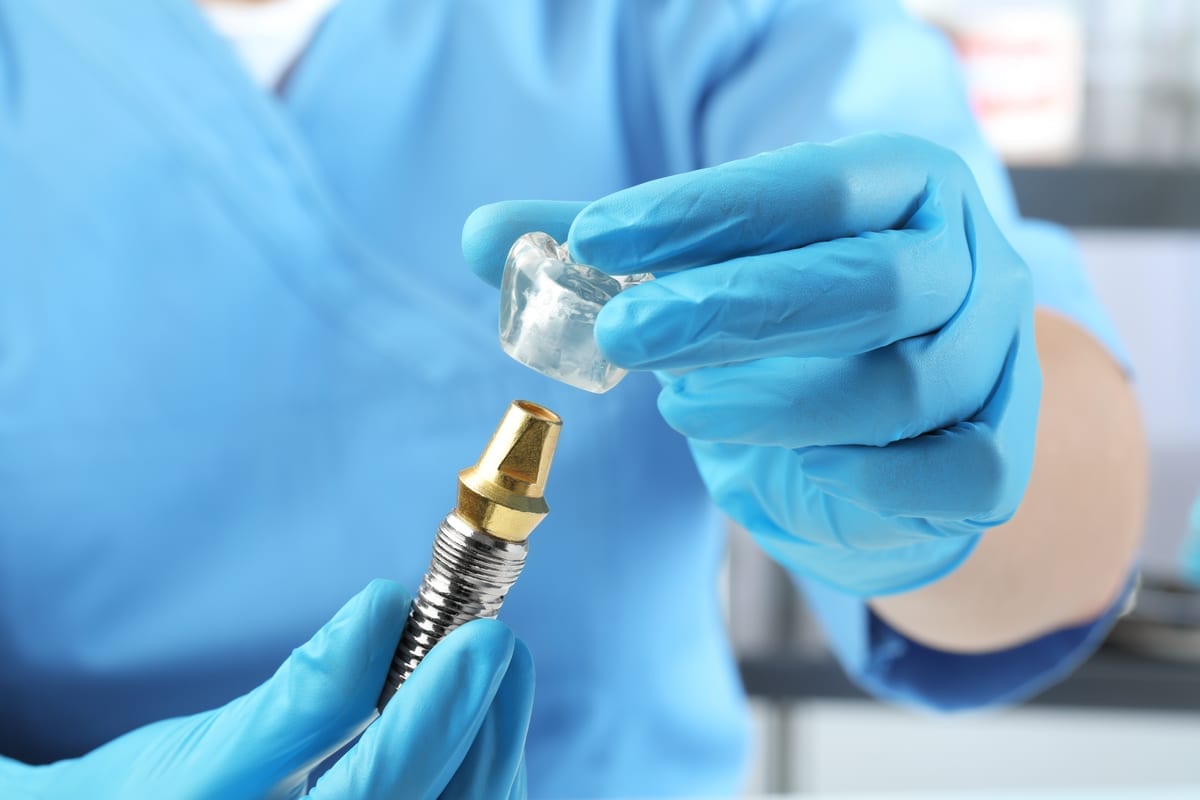
A single implant placed shortly after extraction is straightforward. The bone is still present and healthy. Healing is predictable. The procedure is well-established and highly successful when performed at the right time.
Waiting changes that equation dramatically. Bone grafting can add hundreds to thousands of dollars. Orthodontic correction for drifted teeth adds more. Treating decay in destabilized neighboring teeth adds further expense. Each month of delay adds more complexity and more cost.
Patients in Flatbush who prioritize implants early protect more than their smile. They protect their budget, their remaining teeth, and their quality of life. Dr. Chloe Andrews and the team at Signature Smile are here to walk you through every step of that decision.
What to Expect When You Come In for an Implant Evaluation
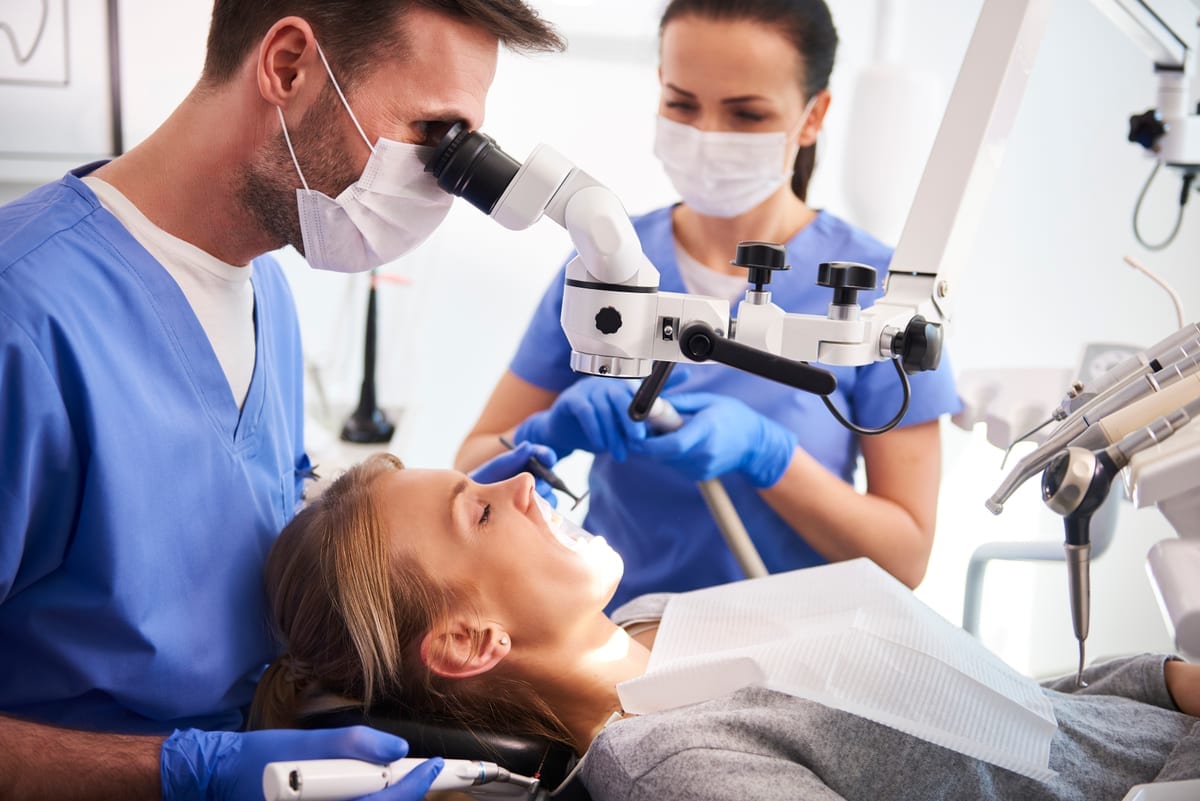
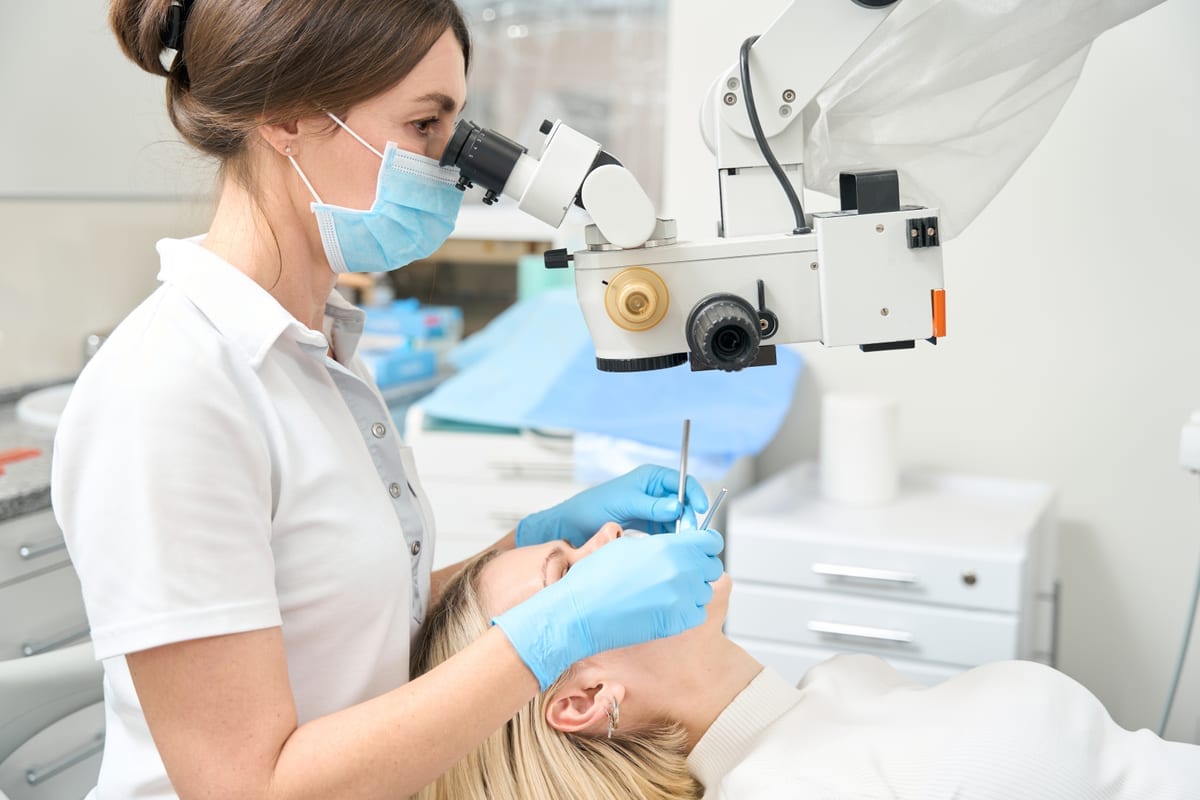
An implant consultation at Signature Smile is a low-pressure, educational visit. The goal is to understand exactly where your bone health stands. From there, a clear treatment plan is built around your specific needs.
Here is what typically happens during your evaluation:
- 3D imaging or X-rays: These reveal bone volume, density, and the position of surrounding structures.
- Oral exam: Dr. Andrews checks gum health, bite alignment, and neighboring teeth.
- Discussion of your timeline: How long the gap has existed directly affects the plan.
- Review of options: You learn exactly what is needed and what each step involves.
- Questions answered: No detail is too small — you leave with full clarity.
There is no pressure and no obligation. The evaluation simply gives you the information you need to make a confident decision. Knowing where your bone stands is far better than wondering.
Conclusion: The Sooner You Act, the Better the Outcome
Bone loss is quiet, gradual, and costly. By the time most Flatbush patients notice the signs — shifting teeth, chewing difficulty, a changed bite — the process is already well underway. The good news is that dental implants stop bone loss completely and restore full function. Acting now almost always means a simpler, faster, and more affordable outcome than waiting another year. Book Now to schedule your appointment with our team.
Frequently Asked Questions
How quickly does jawbone loss begin after a tooth is extracted?
Bone loss begins within the first few months after a tooth is removed. The jawbone loses approximately 25% of its width in the first year alone. This is why early evaluation for a dental implant matters so much for long-term outcomes.
Can bone grafting always restore lost jawbone before an implant?
Bone grafting can rebuild much of the lost bone in most cases. However, results depend on how much bone remains and how long the gap has been present. Acting before severe loss occurs leads to better grafting outcomes and a more predictable implant placement.
Will shifting teeth go back to their original position on their own?
No — teeth that have drifted into a gap will not self-correct. Once teeth shift, orthodontic treatment is typically needed to reposition them before an implant can be properly placed. Preventing the shift by placing an implant early avoids this added step entirely.
Is difficulty chewing always a sign of bone loss?
Not always — but it is a common symptom that should be evaluated promptly. Chewing difficulty after tooth loss can indicate bone changes, bite shifting, or strain on neighboring teeth. A dental exam with imaging can identify the exact cause and recommend the right next step.
How long does the dental implant process take at Signature Smile?
The timeline varies depending on bone health and whether grafting is needed. For patients with adequate bone, the process from placement to final crown typically takes three to six months. Dr. Andrews provides a detailed timeline at your consultation based on your individual situation.