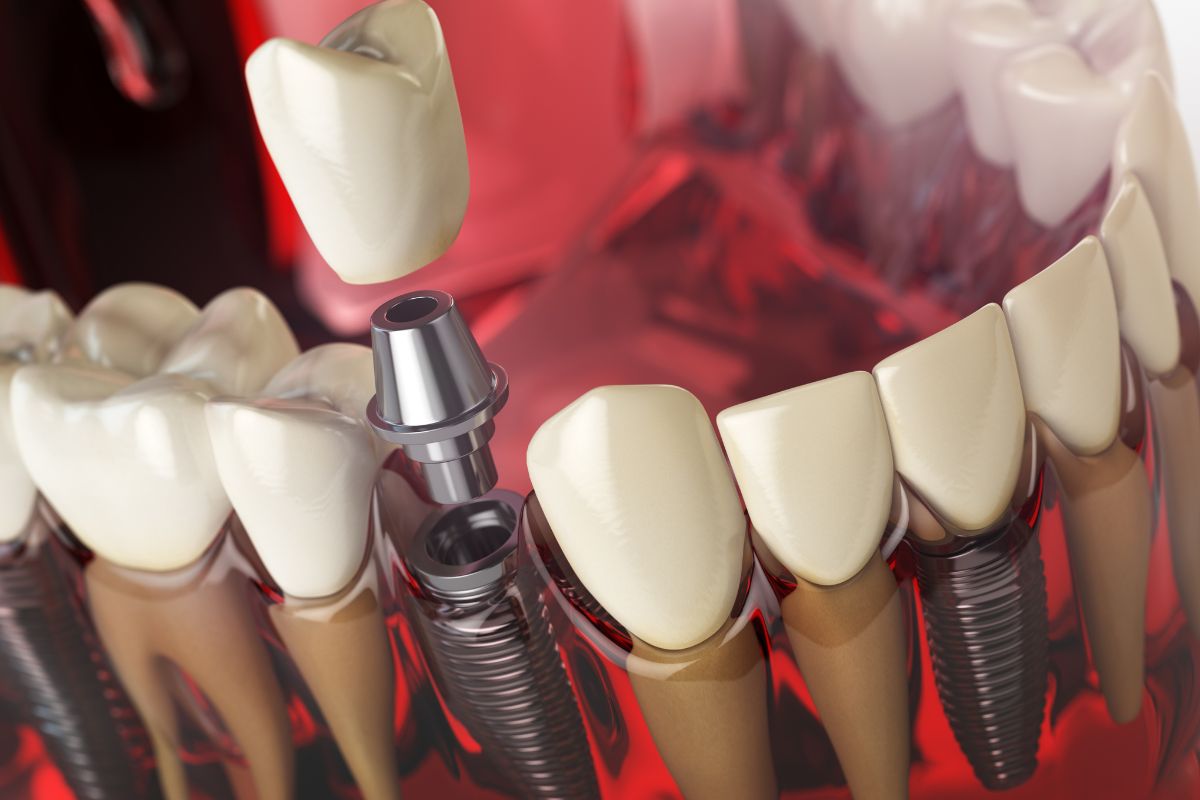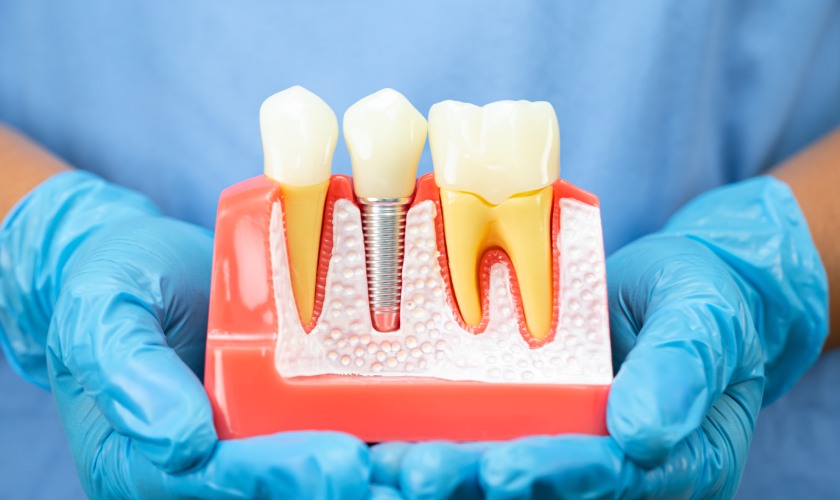
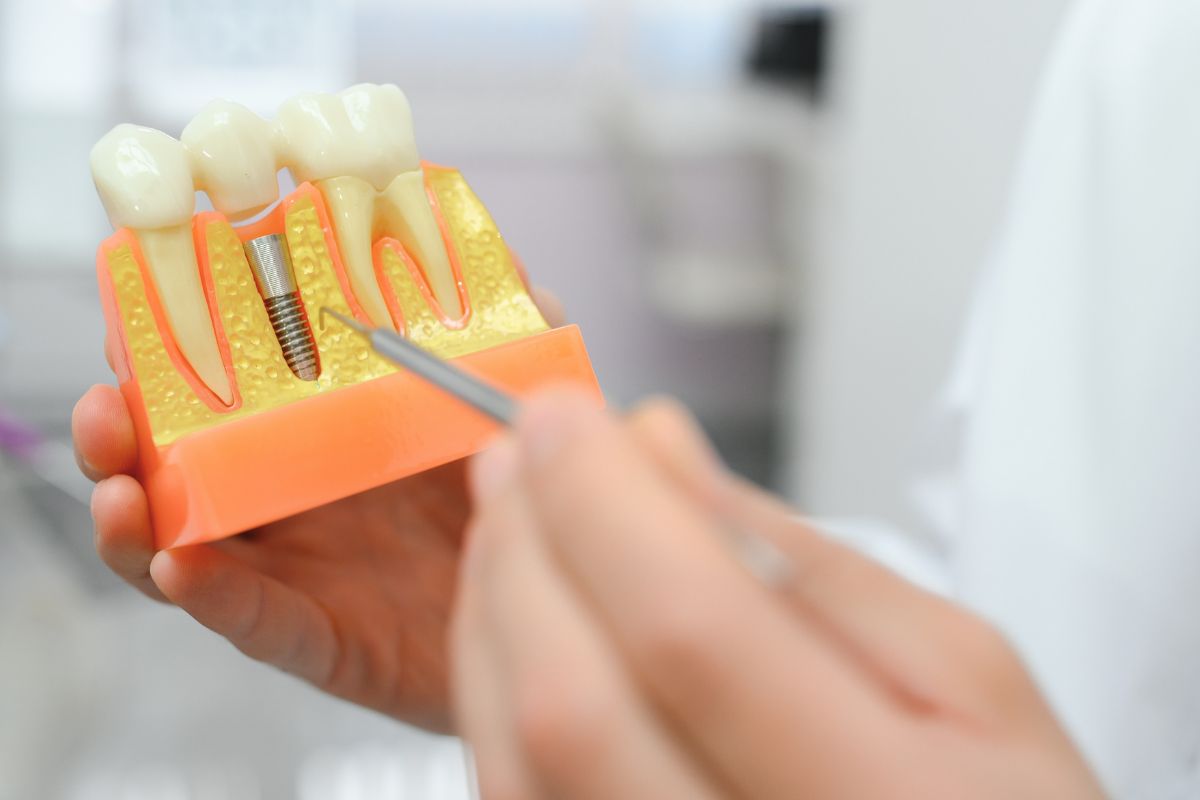
Dental Implants are considered a well-established treatment option for missing teeth. Implants act like the roots of natural teeth, and when properly maintained, support long-term oral health.
But the procedure itself is just one part of the process. It’s the aftercare that ultimately leads to proper healing of an implant site, allowing for integration with nearby bone and tissues. Once a dentist explains the reasons behind some of this and the patient follows proper care instructions, healing usually takes care of itself, resulting in smoother healing and stronger outcomes.
Knowing these steps can preserve your oral hygiene and ensure everyday comfort when eating or speaking.
What To Expect After A Dental Implant Procedure
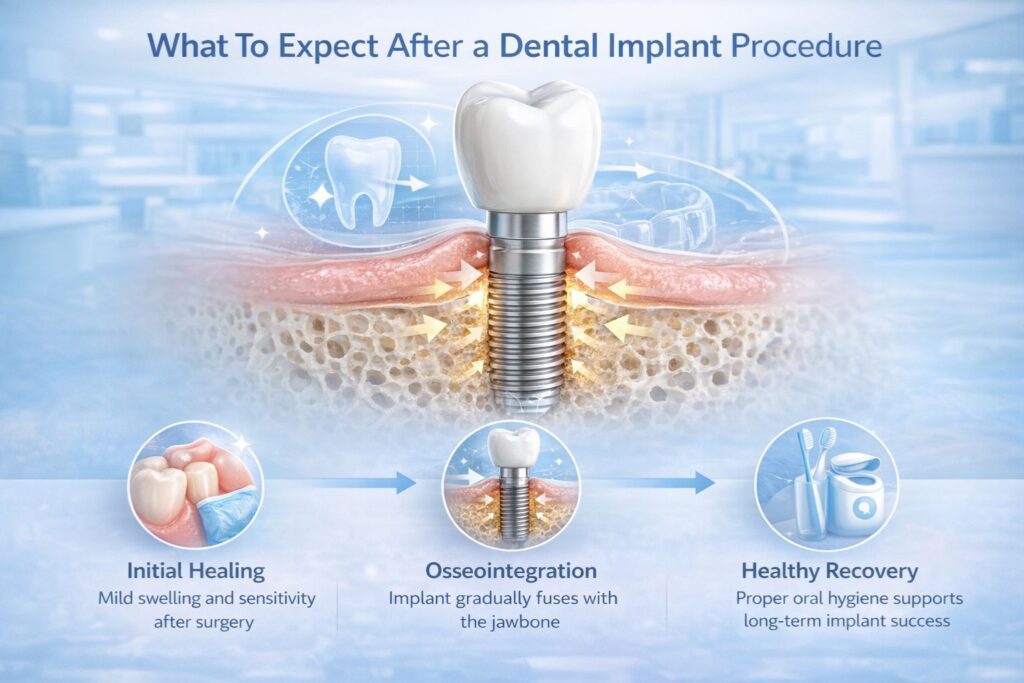
Implant treatments focus on postoperative healing. Your body starts to produce a firm connection between the implant and the bone of your jaw, called “osseointegration.
After surgery, there will likely be mild swelling, sensitivity, and possibly minor bleeding. Most of the symptoms stemming from this type of surgery will resolve quickly and diminish significantly as the body continues to heal.
Dental professionals frequently describe how dental implants in Brooklyn, NY, will naturally integrate into your jaw and be accepted by it over time. Adhering to a proper after-care routine during this stage helps to facilitate this biological process and protect the tissues surrounding the implant.
Patients who practice proper oral hygiene after dental treatments have a lower risk of developing an infection and a greater chance of proper healing.
Immediate Aftercare: The First 24–48 Hours
The first couple of days are important for protecting the surgical site.
And in that time, also focus on rest and gentle care.
Key tips include:
- Bite gently on the gauze pad if recommended by your dentist
- Do not touch the implant with your tongue or fingers
- Apply a cold compression to the cheek to help minimize swelling
- Rest with head elevated
- Do not smoke, which can impede healing
Many dental experts also recommend soft foods for the first day or two.
Examples include:
- Yogurt
- Smooth soups
- Mashed vegetables
- Scrambled eggs
These foods are light on the gum line and provide essential nutrients without putting pressure on the healing area.
Managing Swelling and Discomfort
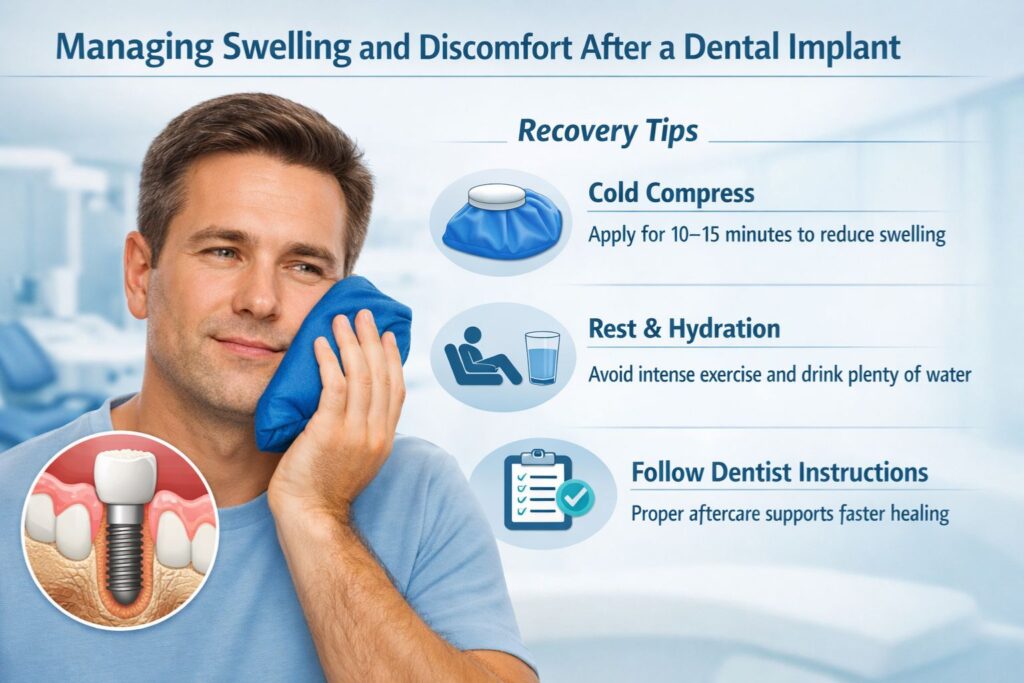
It is normal to experience some minor swelling or tenderness following implant placement. Inflammation is a natural response of the body to heal.
Patients can manage discomfort by:
- Using a cold compress for 10–15 minutes at a time
- Refraining from high-intensity exercise for a few days
- Drinking plenty of water
- Adhering to the aftercare guidance shared by the dentist
Symptoms typically recede in a few days. If the discomfort continues for a long time or worsens, as it shouldn’t, consult with your dental provider.
Oral Hygiene After Implant Placement
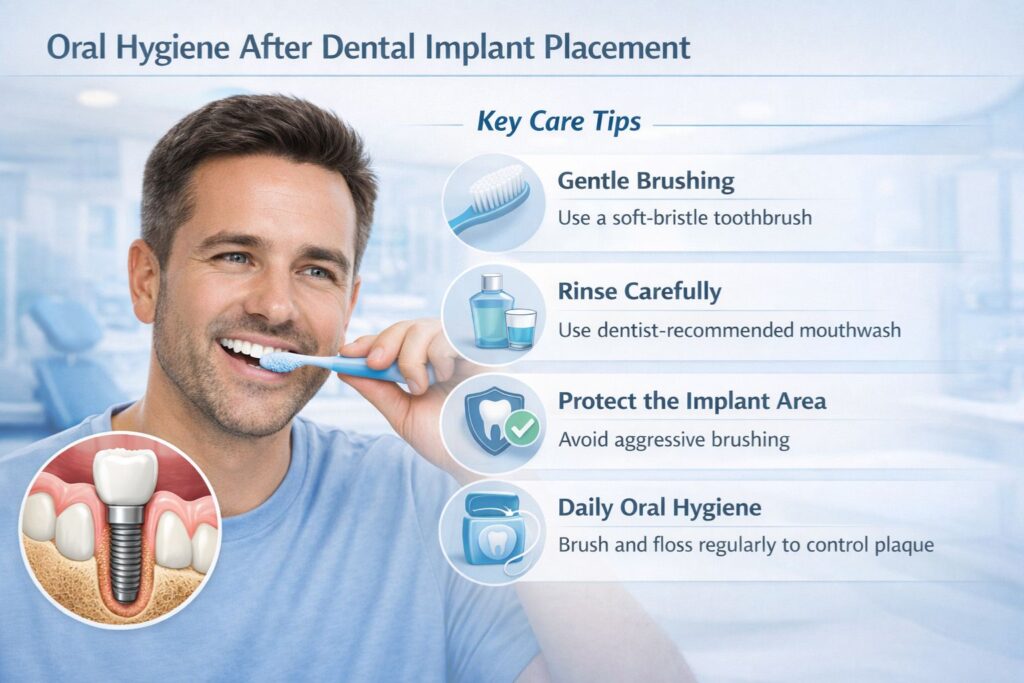
Oral hygiene is vital for controlling infection and supporting tissue healing.
Patients should still brush and floss their teeth, but do so gently around the implant.
Recommended practices include:
- Use a soft-bristle toothbrush
- Gently rinse with a dentist-approved mouthwash
- Do not brush aggressively near the implant site
- Maintain daily oral hygiene routines
Both natural teeth and implants are susceptible to plaque accumulation. Keeping the area clean allows gum tissues to heal appropriately and aids in long-term stability.
Eating Habits That Support Healing
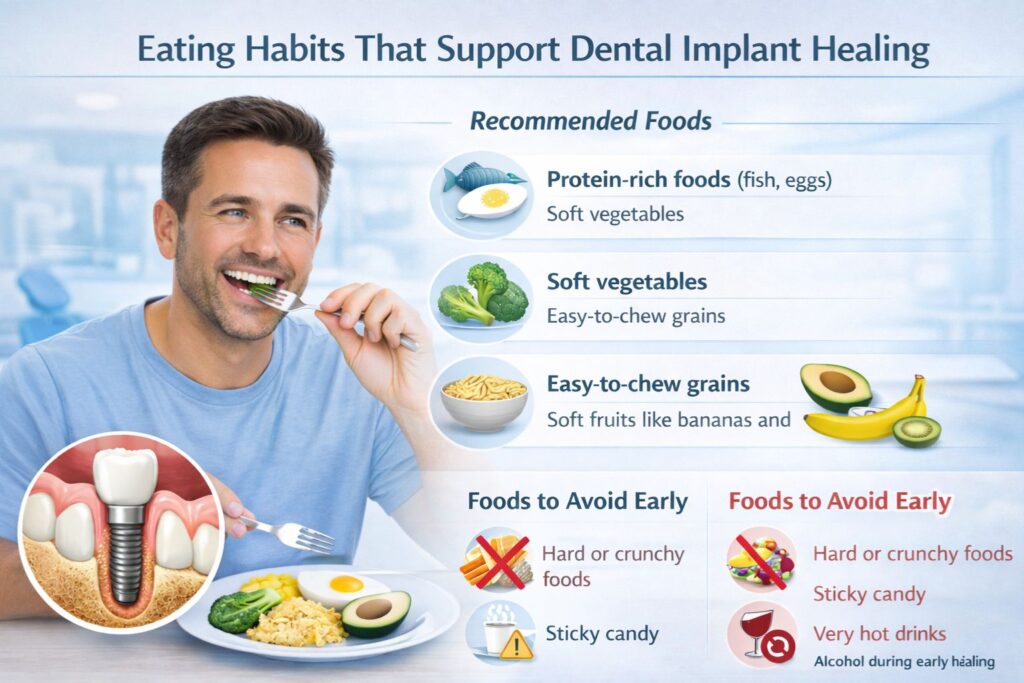
Your diet largely determines the healing of dental implants in Brooklyn, NY.
In the beginning stages, opt for foods that need little chewing. As healing progresses, slowly reintroduce firmer foods into the diet.
Helpful dietary choices include:
- Foods high in protein, such as fish and eggs
- Soft vegetables
- Grains that are easy to chew
- Fruits like bananas or avocados
What to avoid during early recovery:
- Hard or crunchy foods
- Sticky candies
- Extremely hot beverages
- Alcohol in the early healing phase
Good nutrition aids tissue repair, helping the body to heal more effectively.
Why Follow-Up Dental Visits Matter
Regular dental checkups are part of good implant maintenance. Dentists also assess how well the area is healing and if the implant has fused properly with the surrounding bone.
Follow-Up appointments allow the dental team to:
- Check the gum health around the implant
- Confirm proper alignment and stability
- Address any concerns early
The National Institutes of Health (NIH) reports that long-term implant success rates improve significantly with early monitoring.
Many Brooklynites already keep up with regular checkups as part of their oral health regimen, particularly if they live in neighborhoods such as Cobble Hill or Brooklyn Heights.
Long-Term Maintenance for Dental Implants
Once healed, implants can act like natural teeth. They still need regular maintenance, though.
Long-term maintenance includes:
- Brushing twice daily
- Flossing carefully around the implant
- Scheduling professional dental cleanings
- Avoid habits like teeth grinding or ice chewing
Implants can remain stable for many years if properly cared for. According to studies, long-term success rates are high if patients adhere to recommended oral hygiene routines.
Maintaining Your Oral Health On The Right Path
The recovery from a dental implant does not need to be complicated. For the majority of patients, all that is required are clear directives and consistent routines.
Patients contribute to the long-term stability of their implants with proper aftercare, an oral hygiene regimen, and routine dental check-ups.
Residents throughout Brooklyn, from Brooklyn Heights to neighboring waterfront towns, can learn how daily habits impact oral health outcomes.
Ready to Learn More About Implant Care?
Whether you recently received dental implants in Brooklyn, NY, or are considering treatment, a professional evaluation can determine what will ensure your long-term care.
For some patients, this means working with our team to develop and maintain healthy teeth and gums that support long-lasting dental implant results at Signature Smile General & Cosmetic Dentistry.
If you have questions about caring for your implant or about recovery, visit our dental office to learn more or contact our team to book an appointment.
Common Questions People Ask
1. How long does it take for a dental implant to fully heal?
Healing times vary, but many patients experience initial recovery within a few days. Complete integration with the Jawbone can take several months, depending on overall health and adherence to aftercare instructions.
2. Can I brush my teeth after implant surgery?
Yes, brushing is encouraged to maintain oral hygiene. However, patients should use a soft toothbrush and avoid brushing directly on the implant site until the dentist confirms the area has healed properly.
3. What foods should I avoid after getting an implant?
Hard foods, sticky snacks, and very hot beverages should be avoided during the early healing phase. These items may place pressure on the surgical area and delay recovery.
4. Is swelling normal after dental implant placement?
Mild swelling and tenderness are common during the first few days after treatment. Cold compresses and rest often help reduce discomfort during the early recovery period.