
Thinking about veneers but not sure where to start? You’re not alone. Many Brooklyn patients wonder if they qualify before booking a consultation. This self-test walks you through the key candidacy factors — tooth structure, gum health, bite alignment, and daily habits. By the end, you’ll have a clearer picture of whether veneers are right for you. Exploring Cosmetic Dentistry Brooklyn options is a great first step before committing to any treatment.
What Are Veneers and Who Are They Designed For?
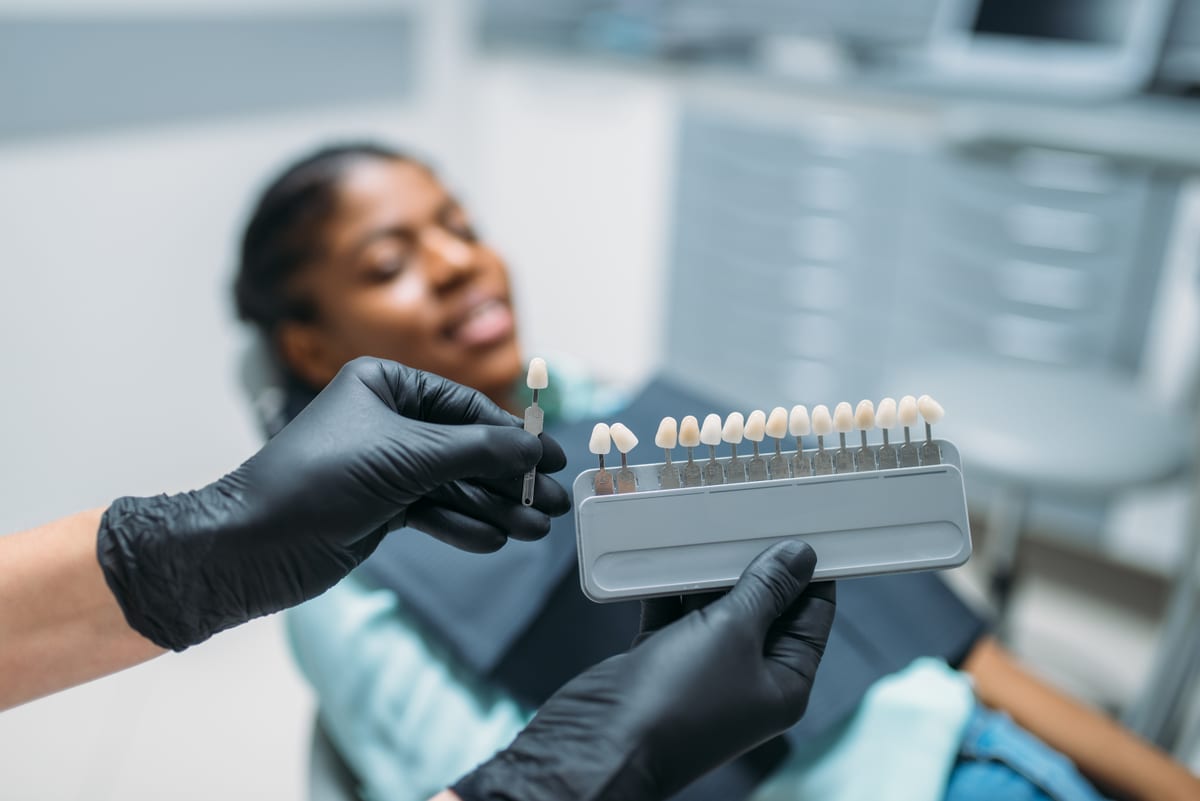
Veneers are thin porcelain or composite shells bonded to the front of your teeth. They correct chips, cracks, staining, gaps, and mild misalignment. They don’t fix every dental problem — they’re a cosmetic solution for specific concerns. Understanding this distinction helps you set realistic expectations from the start.
Veneers work best for patients who already have reasonably healthy teeth. You don’t need a perfect smile to qualify. However, you do need a stable dental foundation. If underlying issues exist, those must be addressed first.
Dr. Chloe Andrews at Signature Smile General & Cosmetic Dentistry evaluates every patient individually. No two smiles are the same, and neither is every treatment plan. A thorough exam reveals whether veneers are appropriate for your specific case.
Self-Test: Are You Actually a Good Candidate for Veneers in Brooklyn?
Work through this checklist honestly. Each factor matters when determining your candidacy. This isn’t a diagnosis — it’s an informed starting point before your professional consultation.
Tooth Structure Check:
- Do you have enough natural enamel on the front teeth?
- Are your teeth free from severe decay or large existing fillings?
- Have you avoided excessive tooth grinding that has worn down enamel significantly?
- Are your teeth mostly intact — not severely broken down or fractured?
Veneers require enamel to bond to properly. If your enamel is too thin or compromised, the veneer won’t adhere well. Patients with significant decay need restorative treatment before any cosmetic work begins. This protects your long-term dental health.
Gum Health Check:
- Are your gums pink, firm, and free from swelling or bleeding?
- Have you had a professional cleaning within the last six months?
- Do you brush twice daily and floss regularly?
- Has your dentist confirmed you are free from active gum disease?
Healthy gums are non-negotiable before getting veneers. Active gum disease causes inflammation and recession. Placing veneers over unhealthy gums leads to poor results and potential complications. Get your gum health under control first.
Bite and Alignment — Why These Factors Matter for Veneers
Your bite directly affects how veneers perform over time. A misaligned bite places uneven pressure on veneers. This can cause chipping, cracking, or premature failure. Your dentist must assess your bite before recommending veneers.
Patients with severe misalignment may need orthodontic treatment first. Invisalign is a common pre-veneer option. Straightening teeth beforehand gives veneers the best surface to adhere to. It also ensures a more natural, balanced final result.
Do you clench or grind your teeth at night? This condition is called bruxism. Grinding places extreme force on veneers and shortens their lifespan. If you grind, a custom night guard is typically required alongside your veneer treatment.
Ask yourself these bite-related questions:
- Does your dentist say your bite is balanced and even?
- Do you experience jaw pain, headaches, or clicking when chewing?
- Have you ever been told you clench or grind your teeth?
- Do your upper and lower teeth meet comfortably without strain?
Lifestyle Habits That Affect Your Veneer Candidacy
Your daily habits play a large role in veneer success. Certain behaviors increase the risk of damage or premature wear. Being honest about your habits helps your dentist plan appropriately. Adjustments may be needed before or after treatment.
Nail biting, chewing on ice, and using teeth as tools all create excessive force. These habits can crack veneers just as easily as natural teeth. Breaking these habits before treatment protects your investment significantly.
Smoking and tobacco use affect both the color and longevity of veneers. Porcelain resists staining better than natural enamel, but the surrounding teeth can still discolor. Tobacco also harms your gum tissue over time. Quitting improves your overall oral health and veneer outcome.
Consider your commitment to oral hygiene as well. Veneers require consistent brushing and flossing — just like natural teeth. Neglecting hygiene allows decay to develop beneath or around veneers. Good at-home care is essential for long-term results.
When Veneers May Not Be the Right Fit Right Now
Some patients aren’t ready for veneers — and that’s okay. It doesn’t mean veneers are off the table permanently. It simply means other treatment steps come first. Addressing foundational issues leads to better outcomes in the long run.
If you have active cavities, treat them before considering veneers. If your gums bleed regularly, schedule a deep cleaning first. If your bite needs correction, orthodontic treatment may be the priority. Dr. Andrews will guide you through the right sequence of care.
Patients with very small teeth or insufficient enamel may benefit more from dental crowns. Crowns cover the entire tooth rather than just the front surface. Your dentist will explain which option suits your anatomy and goals. The right choice depends entirely on your individual oral health status.
If you ever experience sudden dental pain or a dental emergency, don’t wait. Emergency Dentistry Brooklyn services are available to help you quickly. Dental emergencies should always be resolved before cosmetic procedures begin.
Next Steps for Brooklyn Patients Considering Veneers
If you passed most of the self-test questions, you may be an excellent candidate. The next step is a professional evaluation with Dr. Chloe Andrews. A comprehensive exam confirms what the checklist can only suggest. Your dentist has the tools and training to assess every detail.
During your consultation, Dr. Andrews reviews your X-rays, examines your gum health, and evaluates your bite. She also discusses your smile goals and lifestyle. Together, you’ll build a treatment plan that fits your needs and timeline. You leave with a clear understanding of what’s possible for your smile.
Signature Smile General & Cosmetic Dentistry in Crown Heights, Brooklyn serves patients throughout the surrounding neighborhoods. The team prioritizes patient education over pressure. You’ll never feel rushed into a decision that isn’t right for you. Book Now to schedule your appointment with our team.
Frequently Asked Questions
How long do veneers typically last?
Porcelain veneers generally last between 10 and 15 years with proper care. Composite veneers may need replacement sooner, often within 5 to 7 years. Regular dental visits, good hygiene, and avoiding harmful habits extend their lifespan considerably.
Do veneers damage your natural teeth?
The placement process requires removing a thin layer of enamel from the tooth surface. This process is irreversible, which means veneers are a permanent commitment. However, when placed correctly, veneers do not harm the underlying tooth structure significantly.
Can I get veneers if I have sensitive teeth?
Sensitivity alone does not disqualify you from getting veneers. However, the cause of sensitivity must be identified first. If sensitivity stems from enamel erosion or gum recession, those issues are addressed before any cosmetic treatment begins.
What is the difference between veneers and teeth whitening?
Teeth whitening lightens the natural color of your existing enamel. Veneers replace the visible surface of the tooth entirely. Whitening works best for surface staining, while veneers correct structural concerns like chips, gaps, or intrinsic discoloration that whitening cannot fix.
Is the veneer process painful?
Most patients report minimal discomfort during the veneer process. Local anesthesia is used during the enamel preparation stage. Some temporary sensitivity may occur afterward, but it typically resolves within a few days of placement.